Nieuwerkerk aan den IJssel, village and former municipality in South Holland, the Netherlands
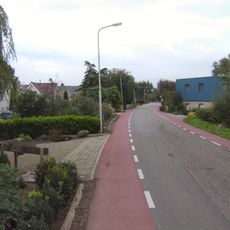
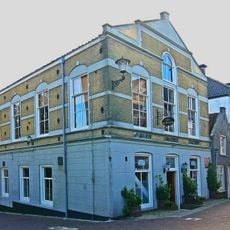
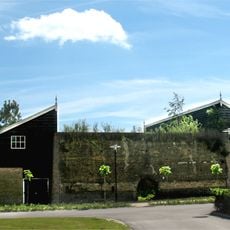
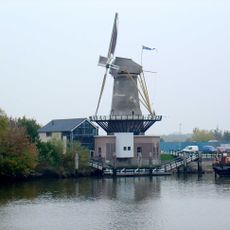
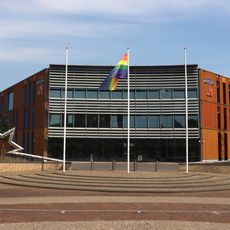
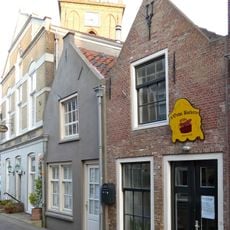
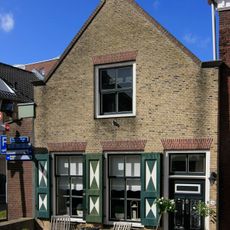
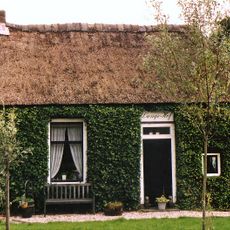
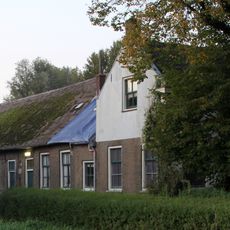
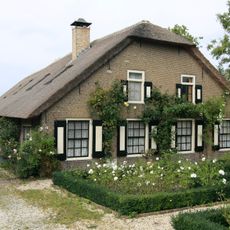
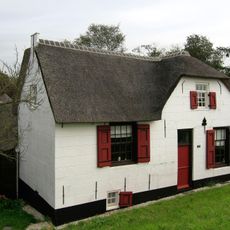
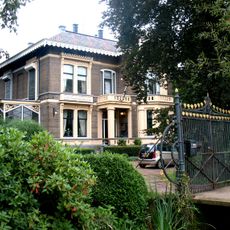
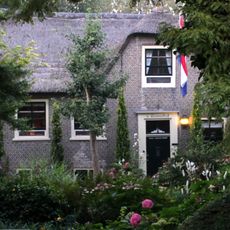
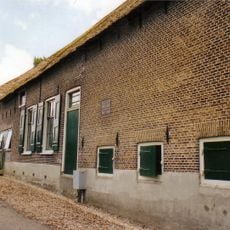
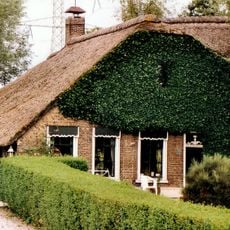
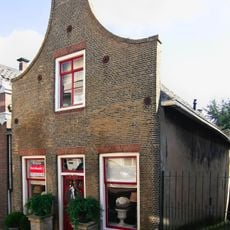
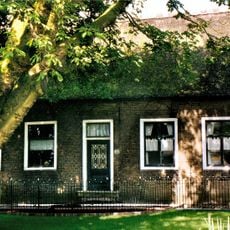
Nieuwerkerk aan den IJssel is a small village in the municipality of Zuidplas located along the Hollandsche IJssel river. The village has quiet streets lined with trees, a mix of old and modern houses, and open fields nearby where farming still takes place.
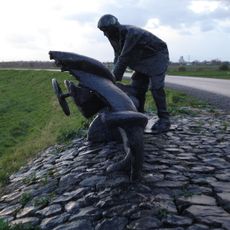
The village was first mentioned in 1282 in documents of Count Floris V and developed on a mound surrounded by peat lands. The drainage of the Zuidplas polder in 1839 and arrival of the railway in 1855 brought growth, while the North Sea Flood of 1953 became a defining moment when local leadership prevented major flooding.
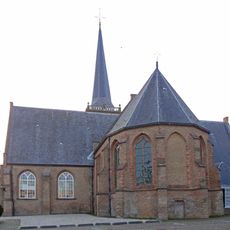
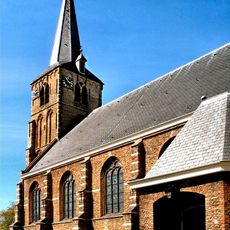
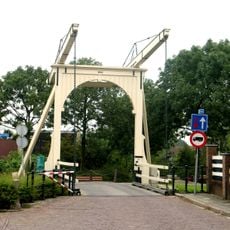
The name refers to a new church built near the IJssel river, reflecting how the settlement grew around religious and water-based landmarks. The four wooden bridges crossing the Ringvaart show how water transport shaped daily life and remains central to how people move through the village.
The village is easily reached by train from nearby cities and has good cycling routes for exploring. The quiet streets and flat terrain make walking pleasant, and the nearby IJssel river offers nice spots for relaxing or fishing.
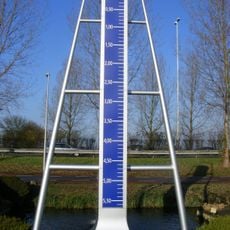
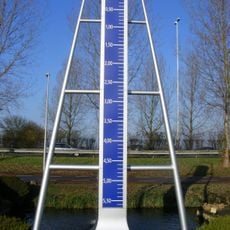
The village sits at the lowest point in the Netherlands, approximately 6.76 meters (22 feet) below sea level, resulting from peat extraction and polder drainage. This unusual location offers insight into how the Dutch manage water and transform land through engineering.
The community of curious travelers
AroundUs brings together thousands of curated places, local tips, and hidden gems, enriched daily by 60,000 contributors worldwide.