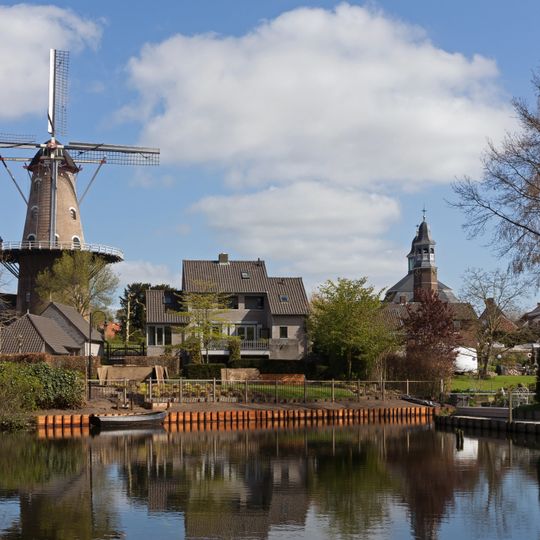
Ravenstein, human settlement in the Netherlands
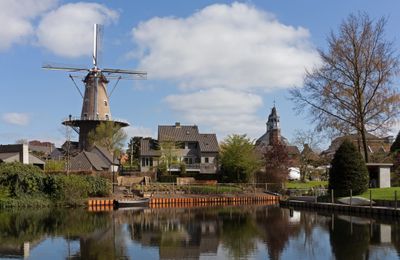
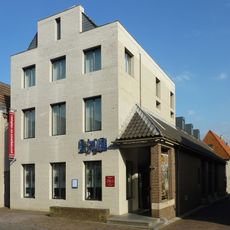
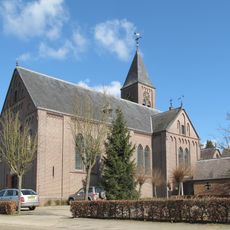
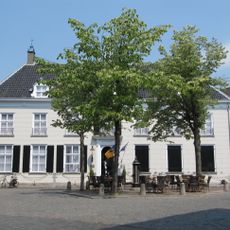
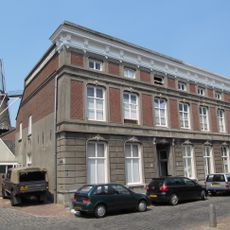
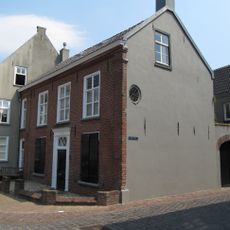
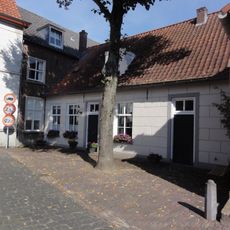
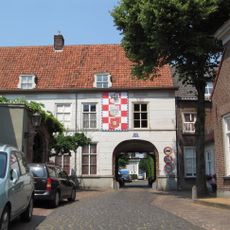
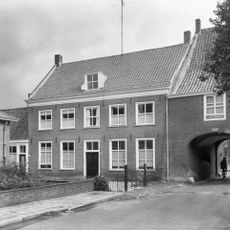
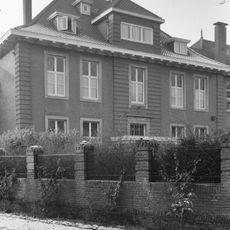
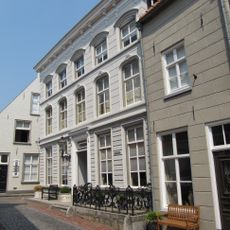
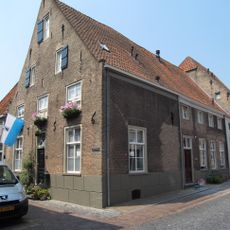
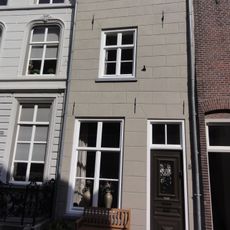
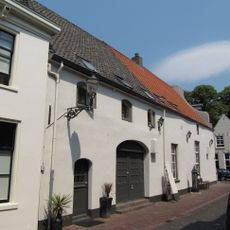
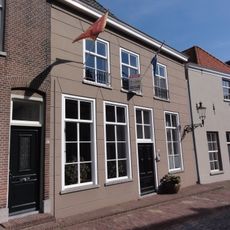
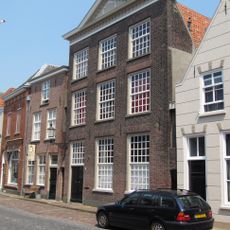
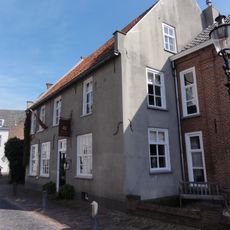
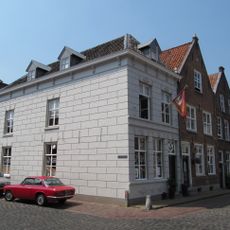
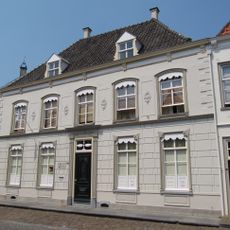
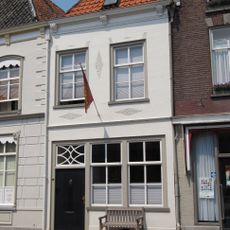
Ravenstein is a small fortified town in the southern Netherlands located along the Maas river, with narrow streets, historic buildings, and old city gates as defining features. The townscape includes baroque architecture such as the Sint-Luciakerk and several houses from the 17th and 18th centuries that remain intact today.
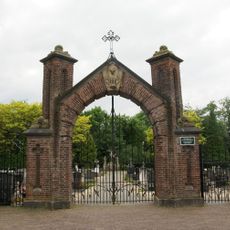
Ravenstein was founded in 1360 by Walraven van Valkenburg on the banks of the Maas and received city rights in 1380, which brought the construction of city walls and three gates. Over the centuries it changed rulers multiple times, was strengthened during French occupation in the late 1700s, and became part of the modern Netherlands in 1814.
The town took its name from its founder Walraven van Valkenburg and developed a strong Catholic identity that emerged during the religious upheavals of the early modern period. The narrow streets and preserved houses from the 17th and 18th centuries shape the townscape today and reflect how people organized their daily lives in a close-knit community.
The town is best explored on foot, since the narrow streets and historic squares are ideal for a leisurely walk through the area. The railway station connects Ravenstein to larger cities in the region and serves as a convenient starting point for visiting.
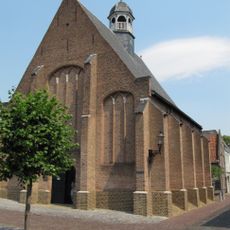
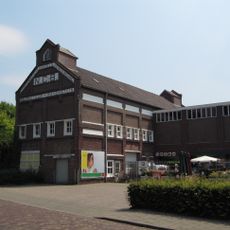
The Sint-Luciakerk was built in the 1730s in baroque style and remains a prominent feature of Ravenstein's skyline today. Another special building is the former Gymnasium Aloysianum, founded by Jesuits, which reflects the town's long tradition of education and community life.
The community of curious travelers
AroundUs brings together thousands of curated places, local tips, and hidden gems, enriched daily by 92,766 contributors worldwide.