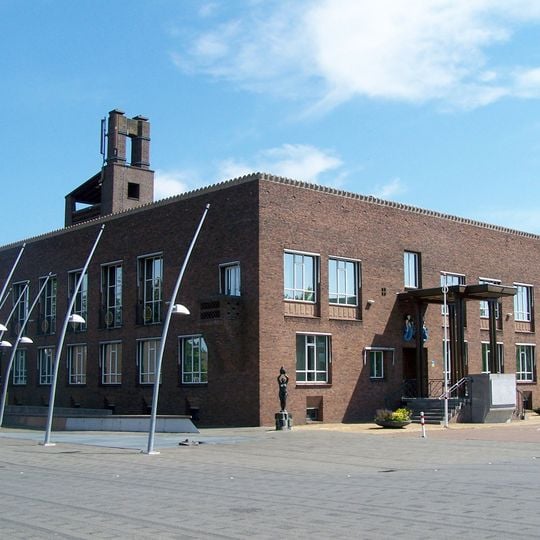
Wieringermeer, Polder in North Holland, Netherlands
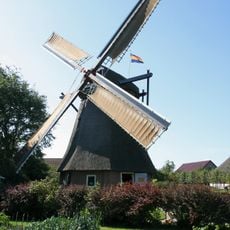
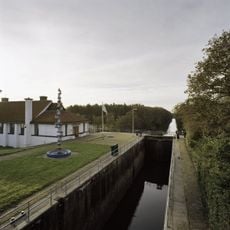
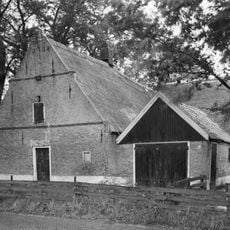
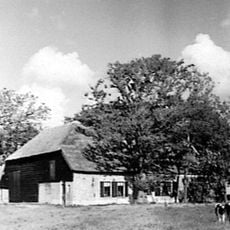
Wieringermeer is a polder comprising reclaimed land with an intricate network of drainage canals and agricultural fields arranged in ordered patterns. The landscape features straightened waterways and divided plots designed for systematic water management and farming.
Construction began in 1927 in response to agricultural land shortage, with protective dikes completed by August 1930. This was a major land reclamation project undertaken during the interwar period.
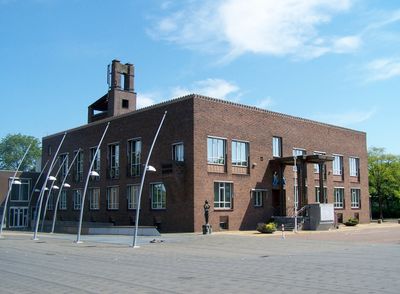
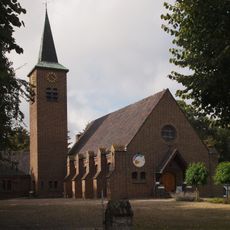
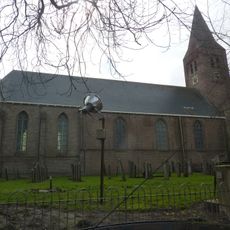
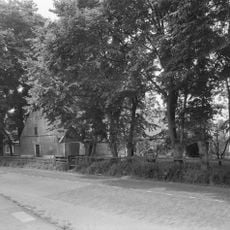
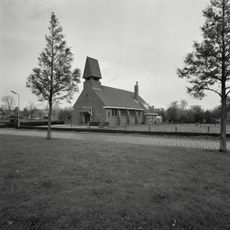
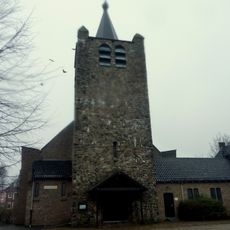
Four planned villages - Slootdorp, Middenmeer, Wieringerwerf, and Kreileroord - were built as intentional communities within the reclaimed territory. These settlements continue to shape daily life and regional identity today.
The area is accessible via straight roads characteristic of polders, running alongside canals and through villages. The flat terrain makes it easy to explore by car, bicycle, or on foot, especially along waterways and planned settlements.
German forces destroyed the dike and flooded the entire area in April 1945, yet within months it was drained and reconstructed. This rapid recovery demonstrates the resilience built into the polder's infrastructure.
The community of curious travelers
AroundUs brings together thousands of curated places, local tips, and hidden gems, enriched daily by 91,428 contributors worldwide.