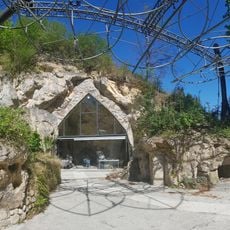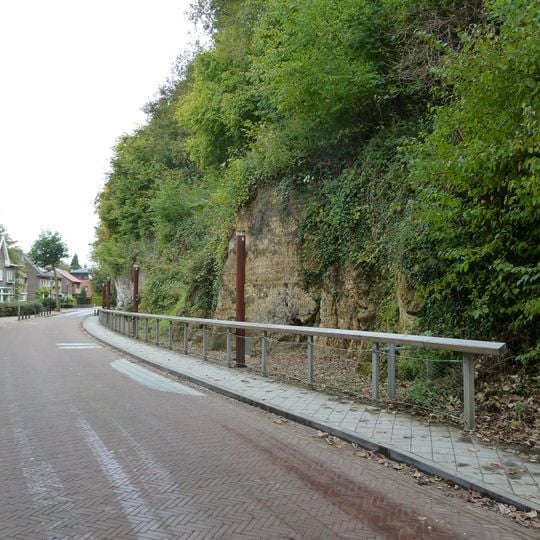
Neolithic flint mines of Valkenburg, Archaeological site in Valkenburg, Netherlands.
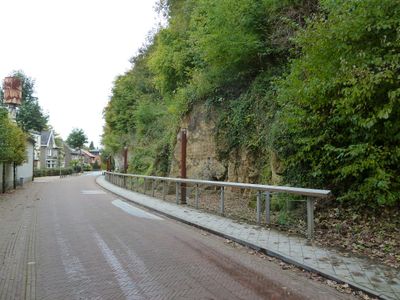
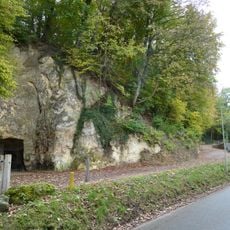
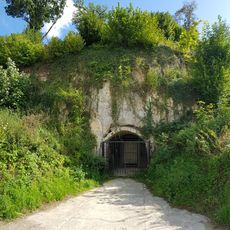
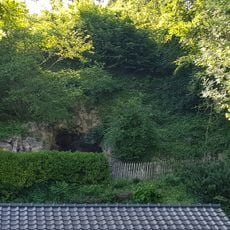
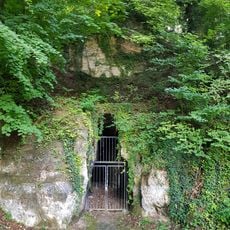
The flint mines consist of underground tunnels and shafts dug into limestone where Stone Age communities extracted high-quality flint nodules. The mining system included multiple shafts operating at different depths and leaving visible traces across the landscape.
Dating to around 4000 BC, these mines rank among Europe's earliest industrial sites with systematic resource extraction. Continuous use over thousands of years shows how vital this flint source was to technological development and trade.
Local craftspeople shaped the extracted flint into cutting tools and hunting implements that spread throughout Europe. These goods reveal how central this location was to Stone Age trade networks and daily survival.
The site is accessible to visitors but many shafts remain underground and cannot be entered. Wear sturdy shoes as the terrain is uneven and some mine openings are visible but unfenced.
Specialized workshops near mine entrances reveal that raw flint was processed into finished tools on site. This arrangement enabled efficient production and quality control in the Stone Age.
The community of curious travelers
AroundUs brings together thousands of curated places, local tips, and hidden gems, enriched daily by 91,877 contributors worldwide.