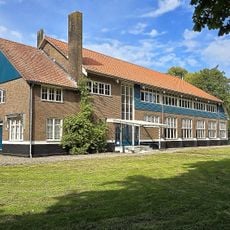
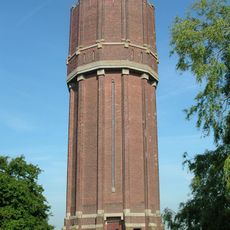
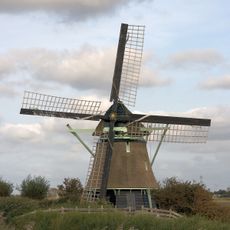
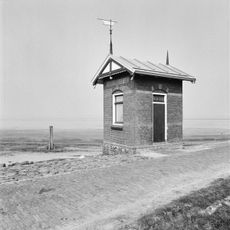
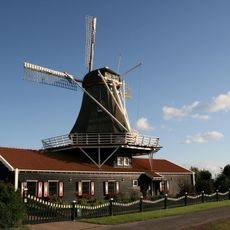
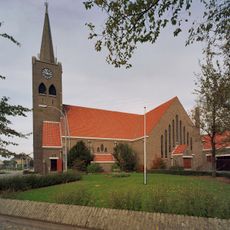
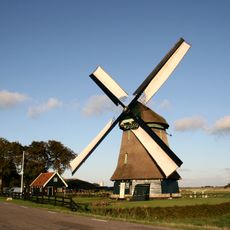
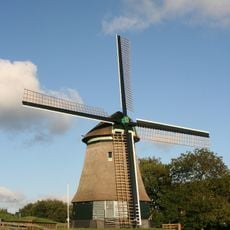
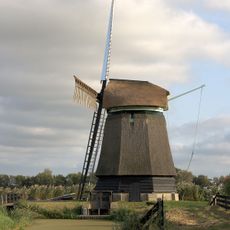
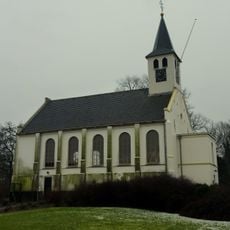
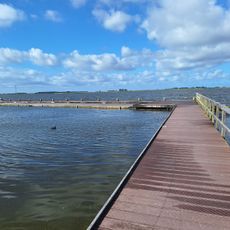
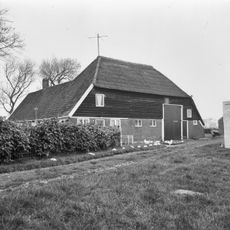
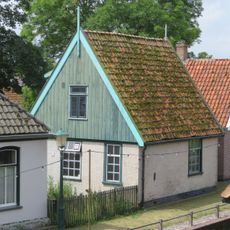
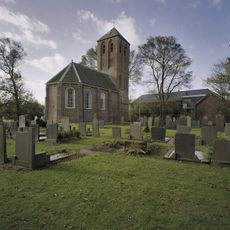
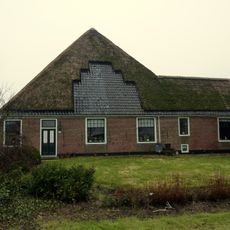
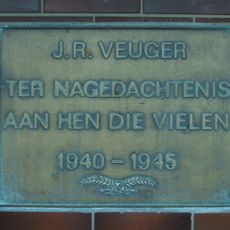
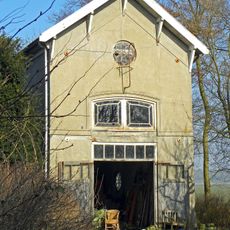
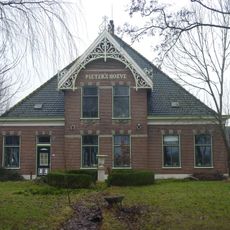
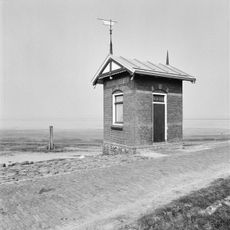
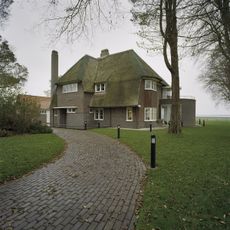
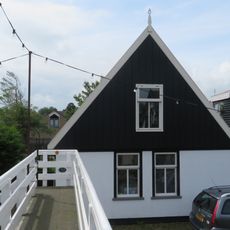
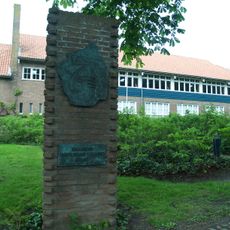
Anna Paulownapolder, Polder in North Holland, Netherlands.
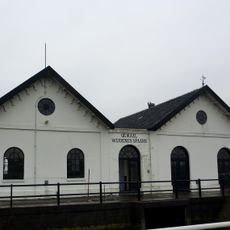
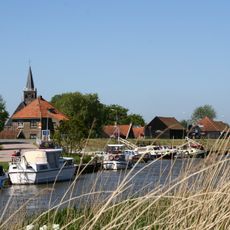
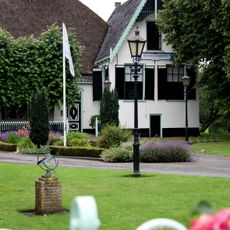
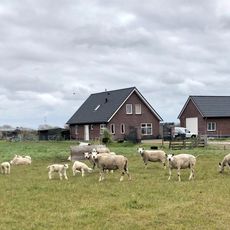
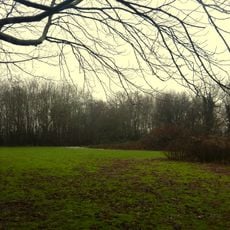
The Anna Paulownapolder is a polder in North Holland that covers extensive agricultural land across the municipality of Hollands Kroon. The landscape shows the typical flat terrain with drainage canals and ditches that manage water levels throughout the region.
The area was drained in 1846 by private investors after centuries of repeated flooding and abandonment between the 12th and 16th centuries. This drainage project transformed the waterlogged land into productive farmland.
The polder takes its name from Anna Pavlovna of Russia, who married King Willem II and strengthened ties between the Netherlands and Russia. This historical connection remains part of the region's identity today.
The best time to visit is from mid-March to mid-May when tulips, daffodils, and hyacinths bloom across the fields. The flat terrain makes it easy to explore on foot or by bicycle.
The area transformed from heavily salted and unfarmable land into the world's largest continuous flower bulb cultivation region. This remarkable change demonstrates how Dutch engineering and farming created prosperity from what once seemed impossible.
The community of curious travelers
AroundUs brings together thousands of curated places, local tips, and hidden gems, enriched daily by 92,764 contributors worldwide.