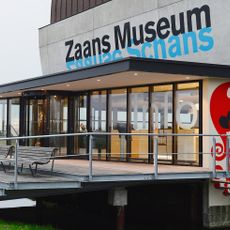
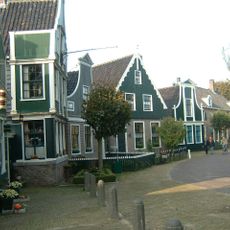
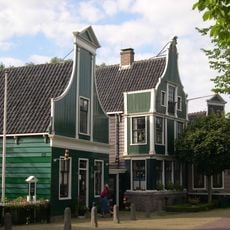
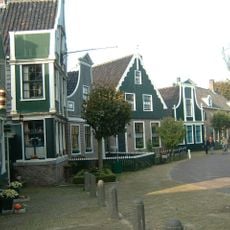
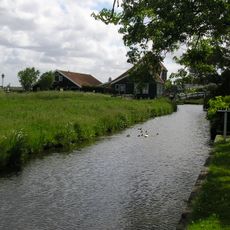
Zaanstreek, Industrial region with windmills in North Holland, Netherlands
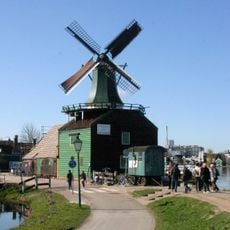
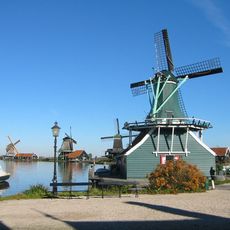
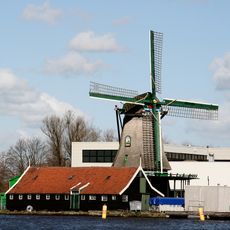
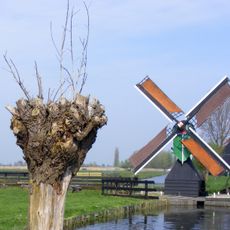
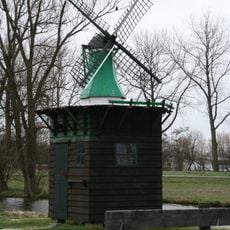
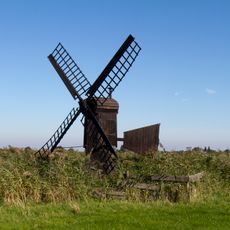
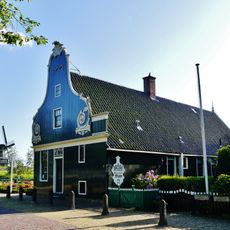
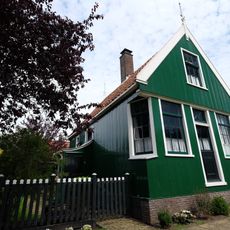
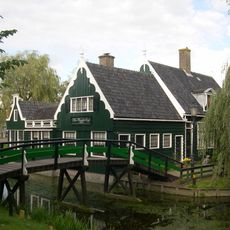
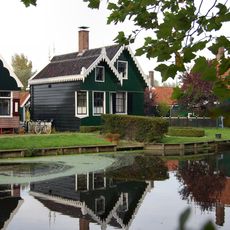
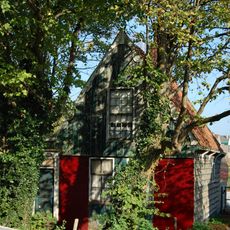
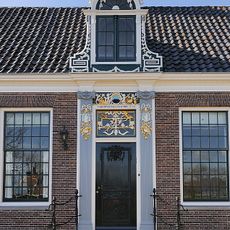
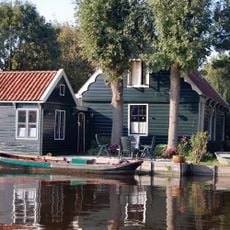
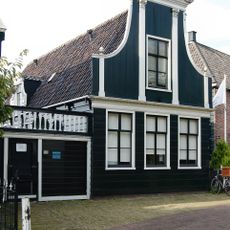
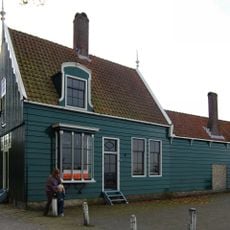
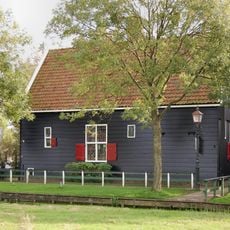
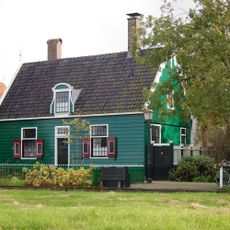
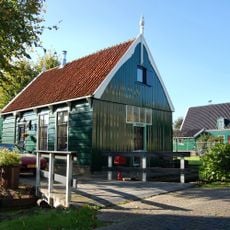
The Zaanstreek stretches along the Zaan River and is defined by numerous factories, traditional wooden houses, and active windmills dotting the landscape. The river acts as the spine of this region, with settlements, industrial buildings, and old craft workshops clustered around its banks.
During the 17th century Dutch Golden Age, the Zaanstreek held over 900 windmills, making it one of Europe's first industrialized regions. This concentration of mills drove wood processing, oil production, and other crafts that shaped the Netherlands' economy.
The area speaks its own dialect called Zaans, which sounds distinctly different from standard Dutch and carries influences from West Frisian. Locals take pride in this linguistic heritage and how it connects them to generations of river workers and craftspeople.
The region connects to Amsterdam through regular train services from multiple stations, including Zaandam and Zaandam Kogerveld, with frequent departures throughout the day. Cycling is the best way to explore the villages and mills, as it is the preferred way to get around locally.
French painter Claude Monet spent time here in 1871 and created 24 paintings capturing the waterways, mills, and changing light. These works reveal how the artist saw this industrial landscape as a subject worthy of his light and color studies.
The community of curious travelers
AroundUs brings together thousands of curated places, local tips, and hidden gems, enriched daily by 91,917 contributors worldwide.