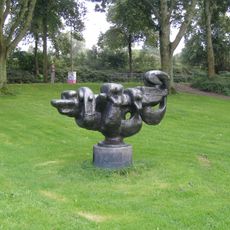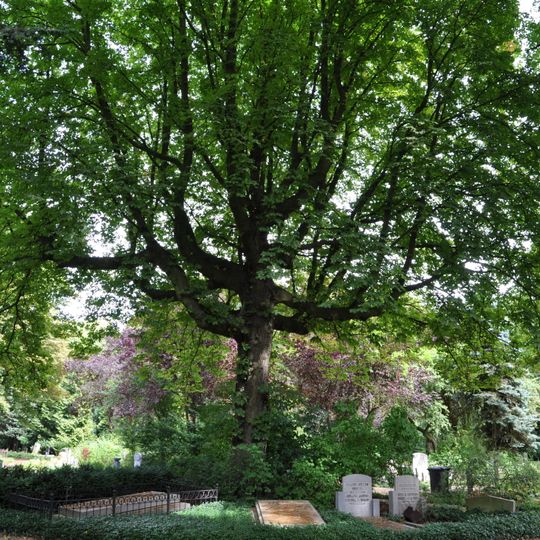
Begraafplaats Kovelswade, Cemetery in Utrecht
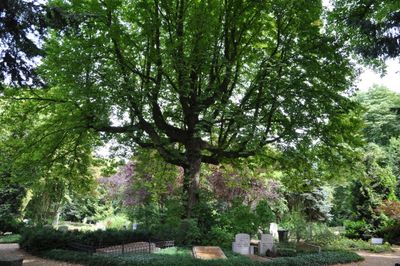
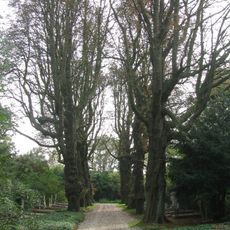
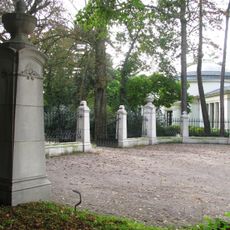
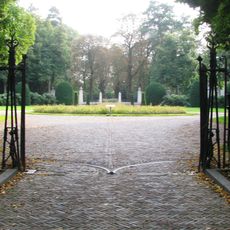
Begraafplaats Kovelswade is a cemetery complex and national monument in Utrecht, established in 1901 to serve the city's burial needs. The grounds feature rows of graves, mature trees, crossing pathways, and a distinctive domed building called the aula used for ceremonies.
The cemetery was established in 1901 when the earlier burial ground at Soestbergen became overcrowded and the city required additional space for graves. Architect F.J. Nieuwenhuis designed the layout with symmetric pathways, an entrance gate, and the distinctive aula building that remains central to its function.
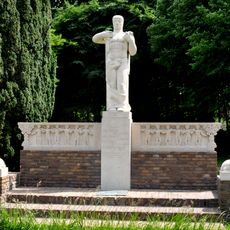
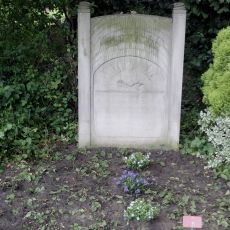
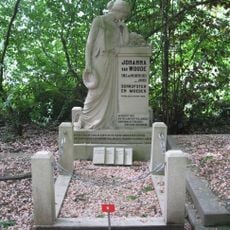
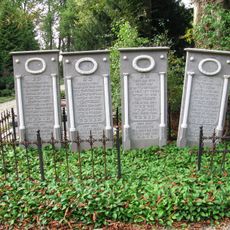
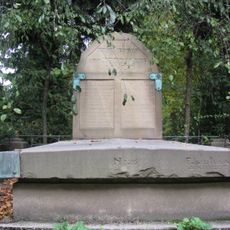
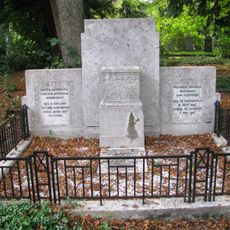
The cemetery takes its name from the historic field designation of the area where it stands. Visitors can observe the monuments and inscriptions that reflect how people honored their deceased and the values important to Utrecht's communities across generations.
The cemetery is open daily from early morning until evening for visitors who wish to walk and reflect at their own pace. Parking with approximately 40 spaces is available on site, and the management office can be contacted by phone or email for questions about visits or arrangements.
The aula at the center of the cemetery features a terrazzo floor that was repaired using Kintsugi, a Japanese technique where cracks are filled with gold. A golden line runs from the coffin placement area to the seating benches, symbolizing the connection between loss and healing.
The community of curious travelers
AroundUs brings together thousands of curated places, local tips, and hidden gems, enriched daily by 92,218 contributors worldwide.