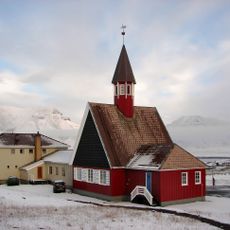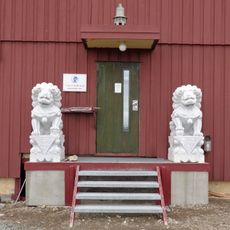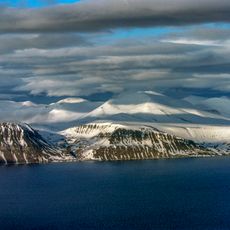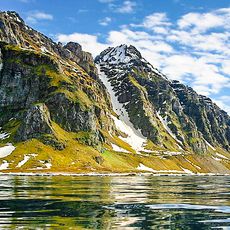
Spitsbergen, Arctic island in Svalbard, Norway.
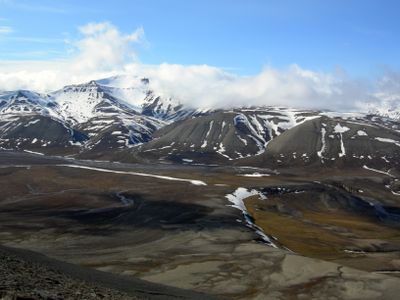
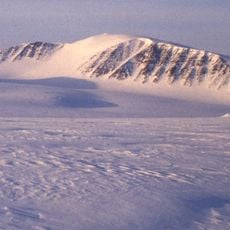
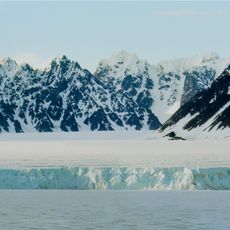
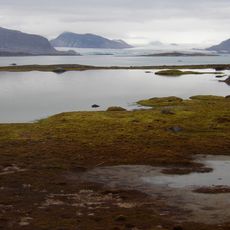
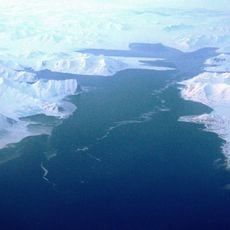
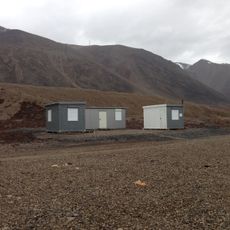
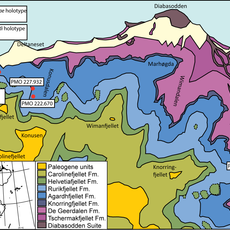
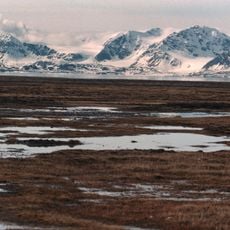
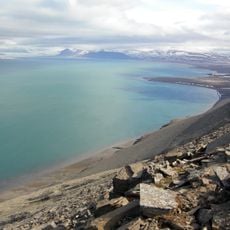
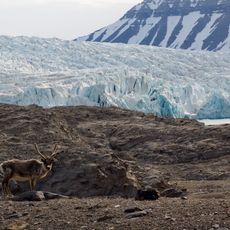
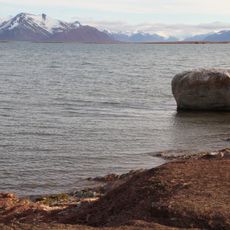
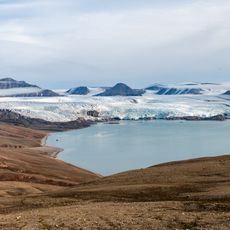
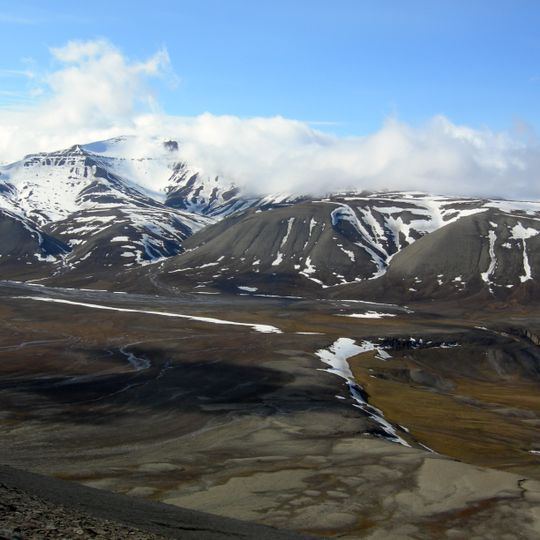
Spitsbergen is the largest island in Svalbard, Norway, and stretches across wide glacier fields, steep mountains and barren coastlines. The highest peaks rise over 5577 feet (1700 meters), while ice and snow cover large parts of the land year-round.
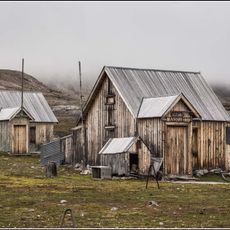
Whalers from several European countries used the coasts as bases from the 17th century onward, before coal mining began in the early 20th century. The Svalbard Treaty of 1920 made the archipelago Norwegian territory with special economic rights for signatory nations.
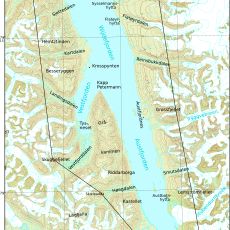
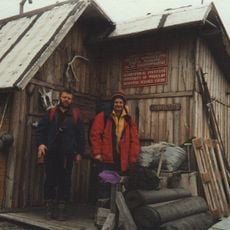
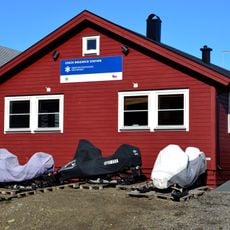
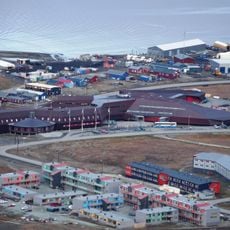
Mining names along the coast recall Norwegian, Russian and other European pioneers who once worked here and whose descendants still shape local life today. Scientists from around the world gather in the few inhabited settlements to study the Arctic and experience the long polar day or polar night together.
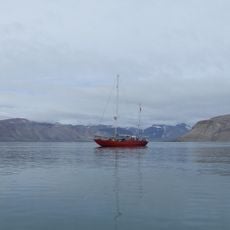
The only commercial airport sits near Longyearbyen and provides the main link to mainland Norway. Locally, people move by snowmobile, boat or small aircraft, as no roads connect the few settlements.
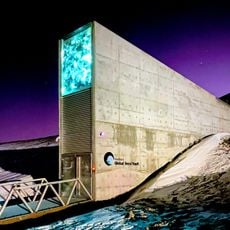
A seed chamber deep in the permafrost preserves millions of seeds from agricultural collections worldwide in permanent cold. The facility is positioned so that natural permafrost protects the samples even during power failures.
The community of curious travelers
AroundUs brings together thousands of curated places, local tips, and hidden gems, enriched daily by 91,953 contributors worldwide.