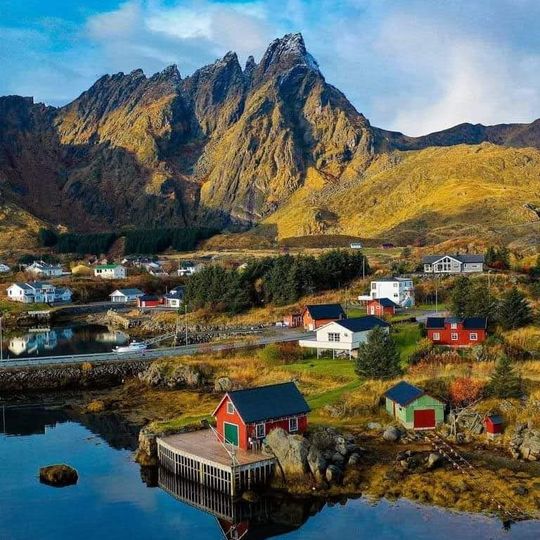
Moskenes, island in Lofoten, Norway
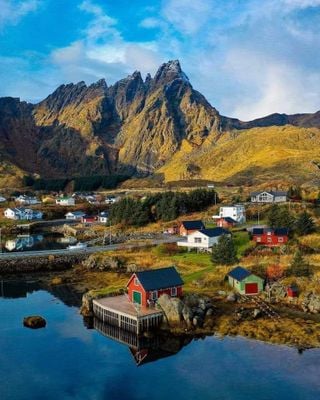
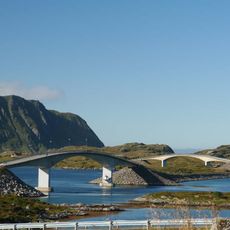
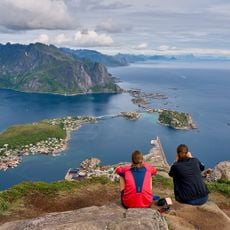
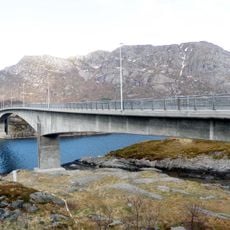
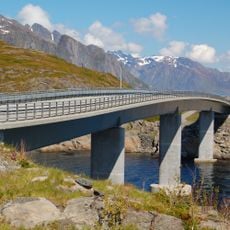
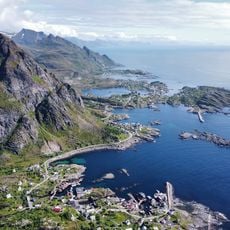
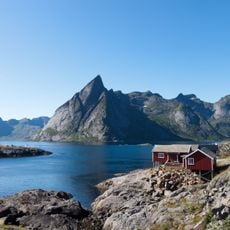
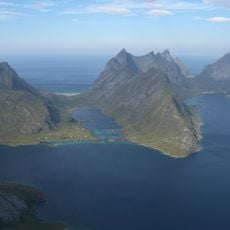
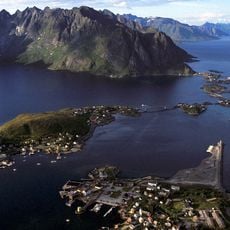
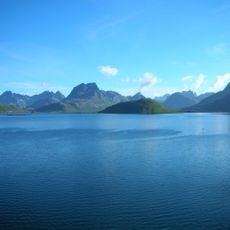
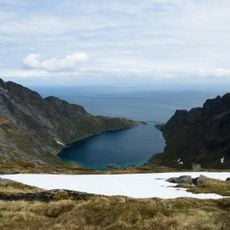
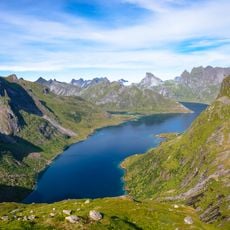
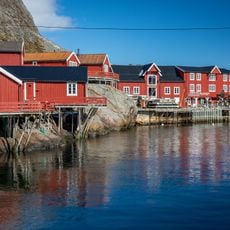
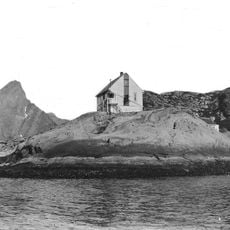
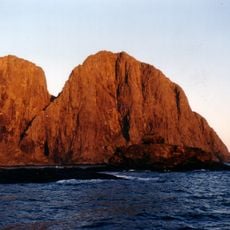
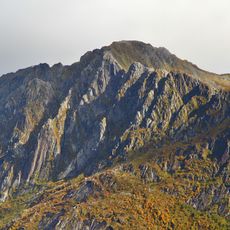
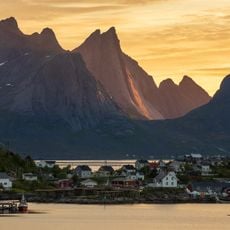
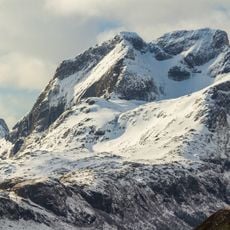
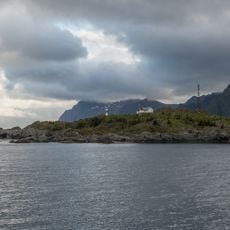
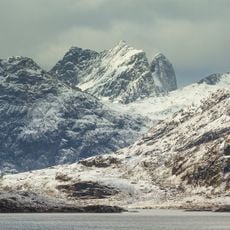
Moskenes is an island in the southern Lofoten archipelago in Norway, known for its steep mountains and small fishing villages. The island consists of several tiny settlements like Reine, Hamnøy, and Sakrisøy, connected by small bridges and perched on wooden platforms above the sea.
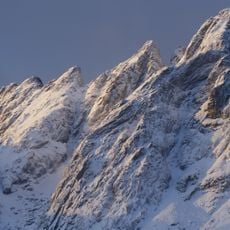
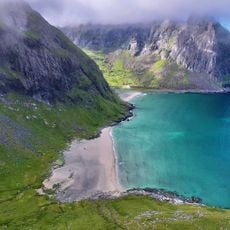
Moskenes has been a fishing settlement for many generations, with people traditionally making their living from the sea. The island was shaped by glaciers, and this natural history continues to define its dramatic landscape today.
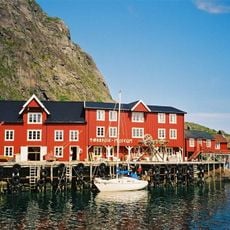
The name Moskenes refers to the island's position in the landscape, rooted in local language. The red fishing cabins called Rorbu define the villages and reflect how fishing has shaped daily life and identity here for generations.
The island is easily reached by car, bus, or ferry, with the E10 highway connecting it to the rest of Norway. Roads are well maintained year-round, making visits possible in any season, and small villages offer simple accommodations and restaurants serving local specialties.
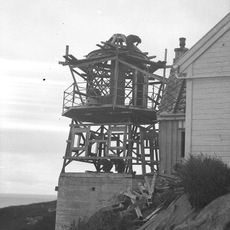
The village of Å gets its name from the word for stream and was historically a fishing center, while old drying racks remain visible where fish was traditionally air-dried. These authentic details show how fishing has shaped everyday life and infrastructure on the island.
The community of curious travelers
AroundUs brings together thousands of curated places, local tips, and hidden gems, enriched daily by 60,000 contributors worldwide.