Nonneseter Abbey, Benedictine monastery in Oslo, Norway.
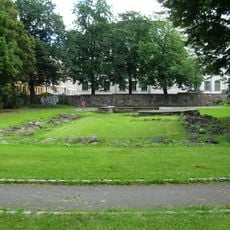
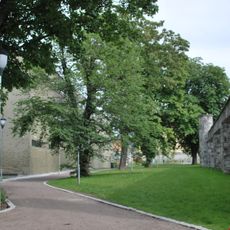
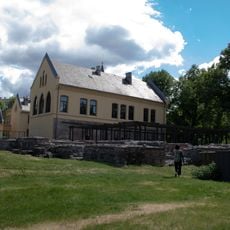
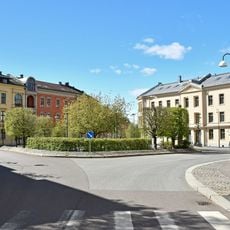
Nonneseter Abbey was a Benedictine women's monastery in medieval Oslo with stone buildings and a church. The complex sat at the intersection of what is now Schweigaards gate and Grønlandsleiret, with foundation remains preserved beneath modern structures.
The monastery was founded before 1150 and first documented in 1161, before the Reformation brought its dissolution. The state confiscated its properties in 1547, marking the definitive end of its religious function.
The name Nonneseter comes from the Norwegian words for 'nun' and 'mountain hut', reflecting its role as a women's monastery. Visitors walking through this area can still sense the connection to the religious community that lived and worked here for centuries.
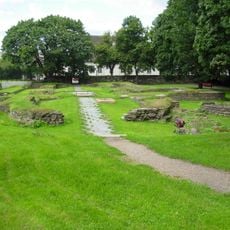
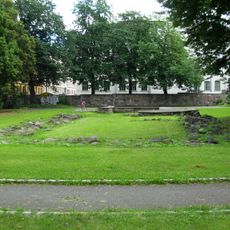
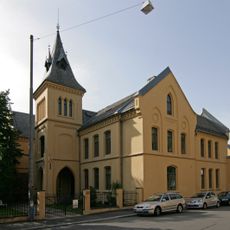
The archaeological remains of the monastery lie beneath modern buildings at Schweigaards gate 55 and Grønlandsleiret 73. Visitors should know that only underground traces of the original structure are visible today, as the site is now covered by contemporary construction.
The monastery owned over 272 farms across Eastern Norway, including the large Aker estate donated by Oslo Bishop Helge in 1182. This extensive landholding made it one of the region's wealthiest institutions of its time.
The community of curious travelers
AroundUs brings together thousands of curated places, local tips, and hidden gems, enriched daily by 92,336 contributors worldwide.