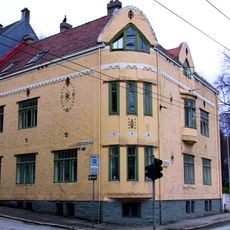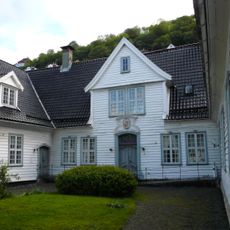
Lepramuseet, Medical history museum in Bergen, Norway.
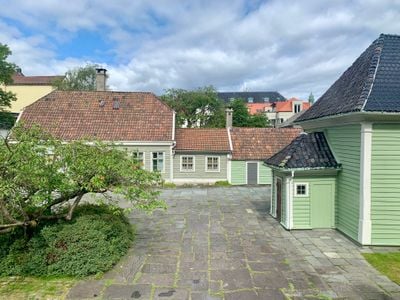
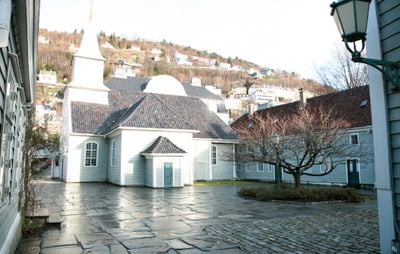
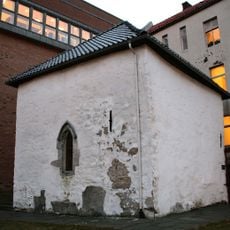
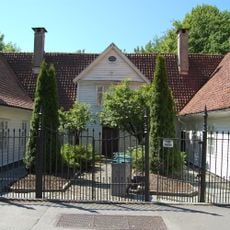
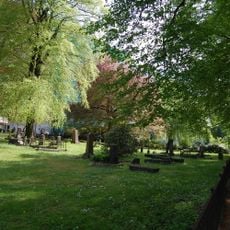
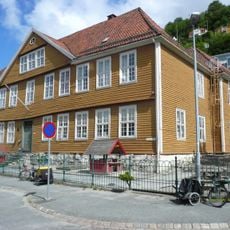
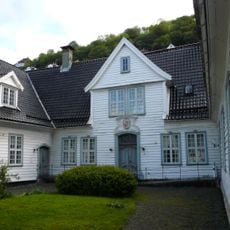
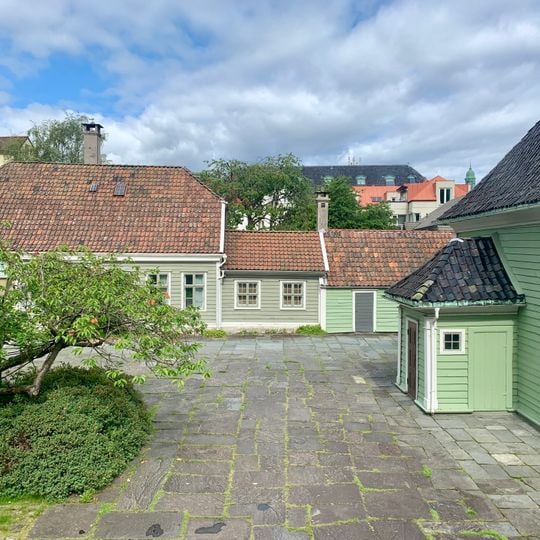
Lepramuseet is a museum in Bergen, Norway, housed in a former medieval hospital complex made up of nine protected buildings. The rooms still contain original furniture and medical equipment from when the site was in use as a care facility.
The site dates to the 1400s and was one of three leprosy hospitals that once operated in Bergen. It closed its medical operations in 1946, after centuries of taking in leprosy patients.
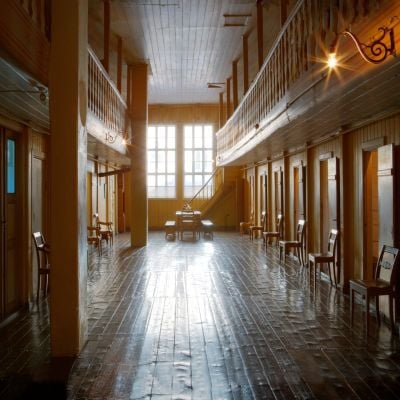
The museum shows how patients lived in the wards, with personal belongings, clothing, and everyday objects still placed where they once were. The largest hall on the site, St. Jørgens ward, gives visitors a direct sense of how close together the residents lived.
The museum is open from May through September, and guided tours are available in several languages. Paths between the historic buildings can be uneven, so sturdy footwear is a good idea.
The scientist Gerhard Armauer Hansen identified the bacterium that causes leprosy here in 1873, disproving the then common belief that the disease was hereditary. In many countries, the condition is still called Hansen's disease in his honor.
The community of curious travelers
AroundUs brings together thousands of curated places, local tips, and hidden gems, enriched daily by 60,000 contributors worldwide.