Lingayen, municipality of the Philippines and capital of the province of Pangasinan
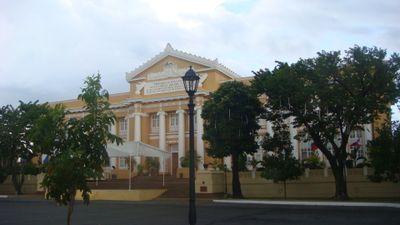
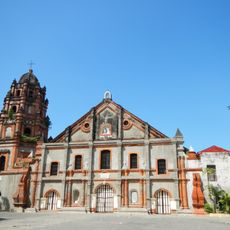
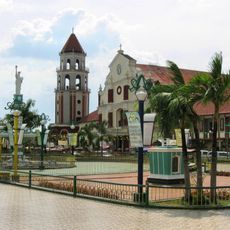
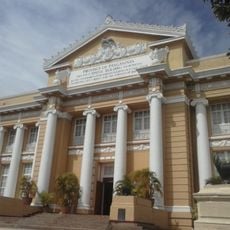
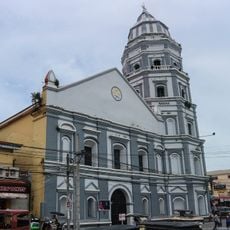
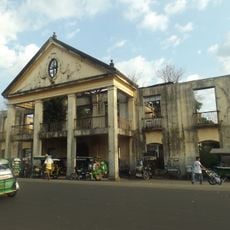
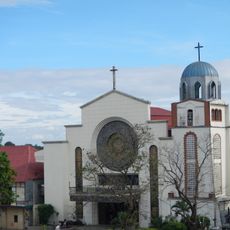
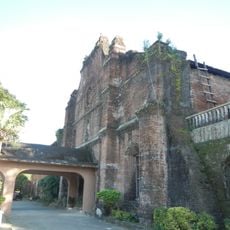
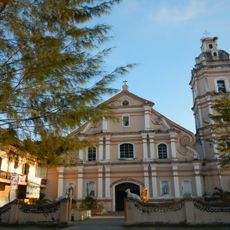
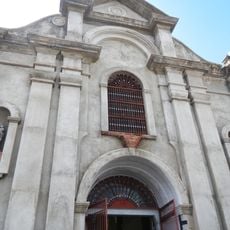
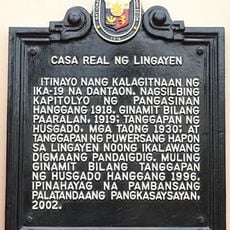
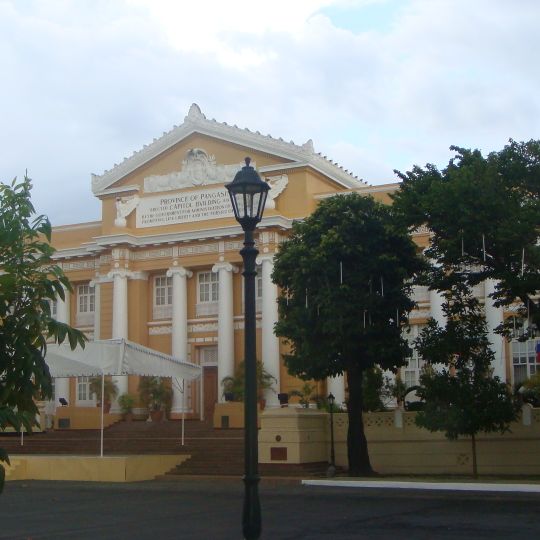
Lingayen is a municipality in Pangasinan province on the Philippines that serves as the administrative center of the region. The town displays a mix of old and new buildings, including the provincial Capitol Building, the governor's Urduja House residence, and the historic Casa Real, while its location on Lingayen Gulf has shaped the town's development over centuries.
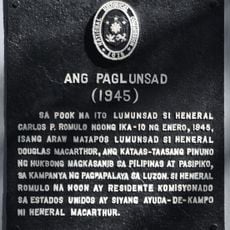
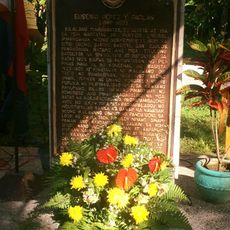
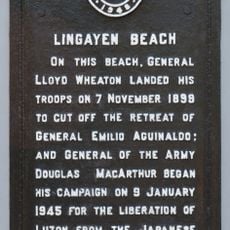
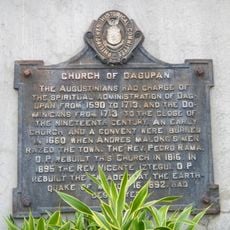
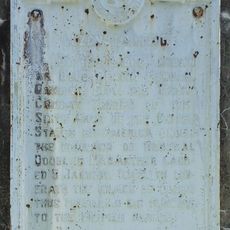
The town was founded in 1614 by Spanish explorers as part of their colonization efforts, later developed into the provincial capital, and in 1660 became the site of a rebellion led by Andres Malong against Spanish authority. During World War II, General Douglas MacArthur chose Lingayen Gulf for a major landing that in 1945 helped free the Philippines from Japanese control.
The name Lingayen comes from a local language word meaning 'to look back', as people would gaze at a large old tamarind tree in the town square on their way home. Today, residents speak mainly Pangasinan and Ilocano, and the friendly way they greet each other and share stories about their hometown reflects strong local customs.
The town sits in a warm climate with cooler months from December to February, making it suitable for outdoor activities like swimming and sightseeing. Its coastal location and the recently built Lingayen Baywalk provide visitors with places to enjoy sea breezes and explore historical sites at a relaxed pace.
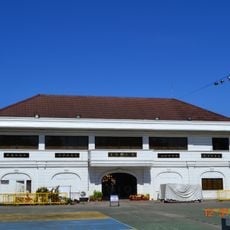
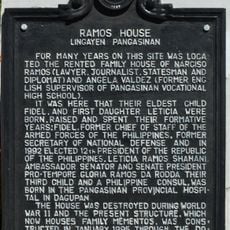
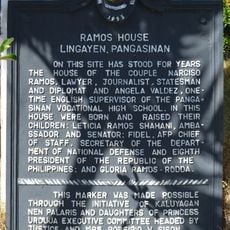
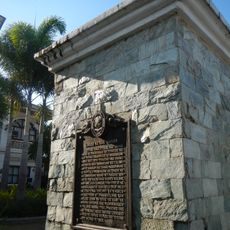
Fidel V. Ramos, a former president of the Philippines, was born in Lingayen, and his family is well known in the area with memorials honoring his leadership. Visitors can learn about his life and contribution to the country's development in local museums and parks that showcase the town's connection to an important national leader.
The community of curious travelers
AroundUs brings together thousands of curated places, local tips, and hidden gems, enriched daily by 60,000 contributors worldwide.