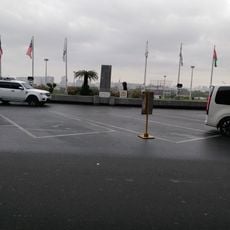
Ninoy Aquino International Airport, International airport in Pasay, Philippines
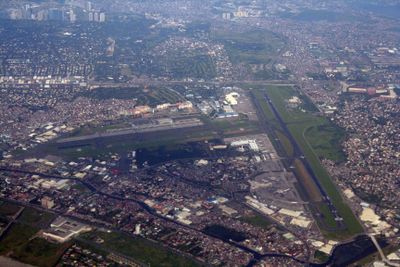
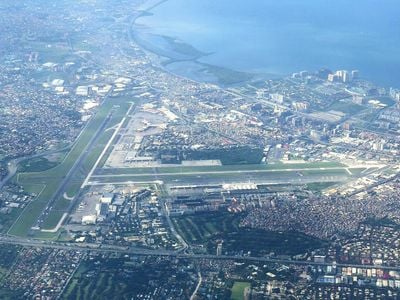
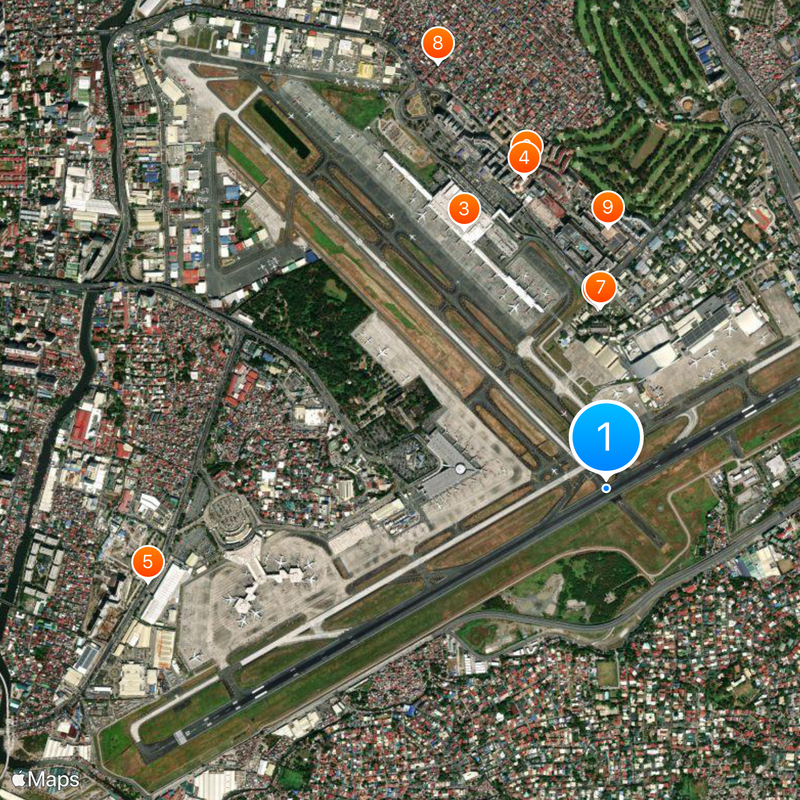
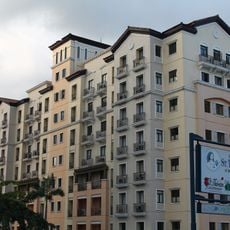
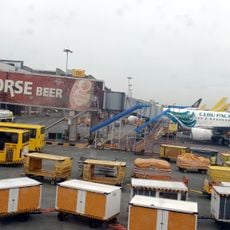
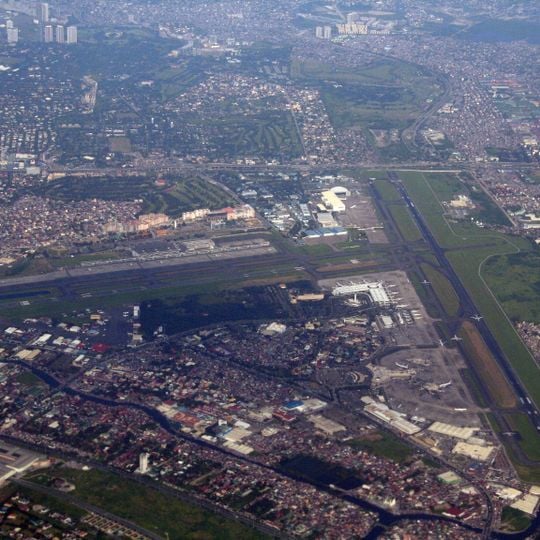
This facility serves as the primary international connection to the Metro Manila region, covering parts of Pasay and Parañaque with four passenger terminals and two concrete runways. The terminals sit scattered across the site, some separated by several kilometers, requiring transferring passengers to undertake longer journeys between buildings.
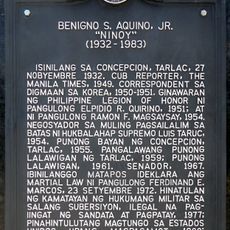
The airport adopted its current name in the early 1980s following the assassination of Senator Benigno Aquino Junior, who was shot on the tarmac upon returning from exile. That event sparked political unrest that eventually led to the 1986 People Power Revolution and the end of the Marcos dictatorship.
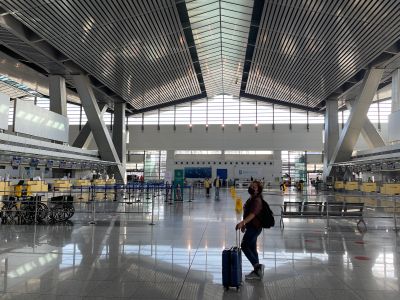
Inside the terminals, travelers encounter paintings, sculptures and wall installations by Filipino artists that depict landscapes, traditions and crafts from across the archipelago. Local musicians and dancers often perform in waiting areas, offering arriving passengers an immediate introduction to Filipino hospitality and performance culture.
Terminal 1 receives most international longhaul flights, Terminal 2 serves only Philippine Airlines, Terminal 3 handles both international and domestic operations, and Terminal 4 caters mostly to regional connections. Free shuttle buses run between terminals, but waiting times can be long depending on traffic and time of day, so plan extra time for connections.
The two parallel runways differ in length: one measures around 2260 meters (about 7410 feet), the other around 3740 meters (about 12270 feet), allowing the longer strip to accommodate widebody aircraft on longhaul routes. A historic yellow tarmac marker still stands at the exact spot where Senator Aquino was shot in 1983, quietly respected by many passengers and airport staff.
The community of curious travelers
AroundUs brings together thousands of curated places, local tips, and hidden gems, enriched daily by 91,610 contributors worldwide.