Taal Volcano, Caldera in Batangas, Philippines
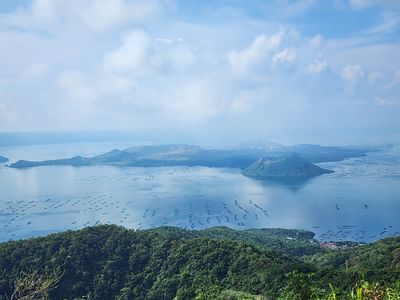
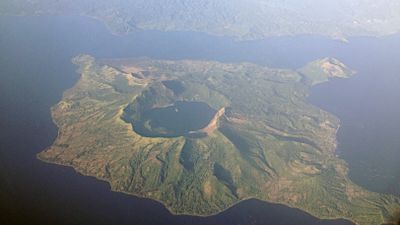
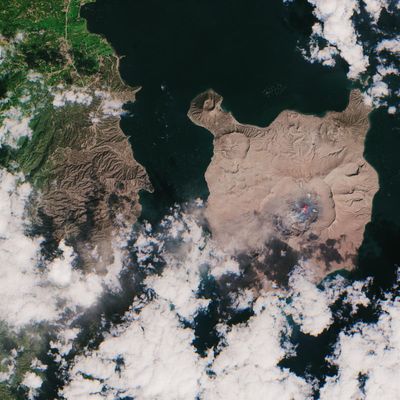
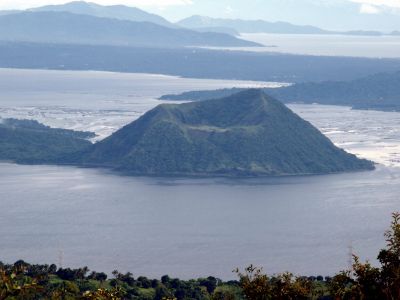
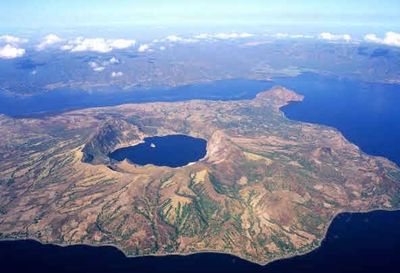
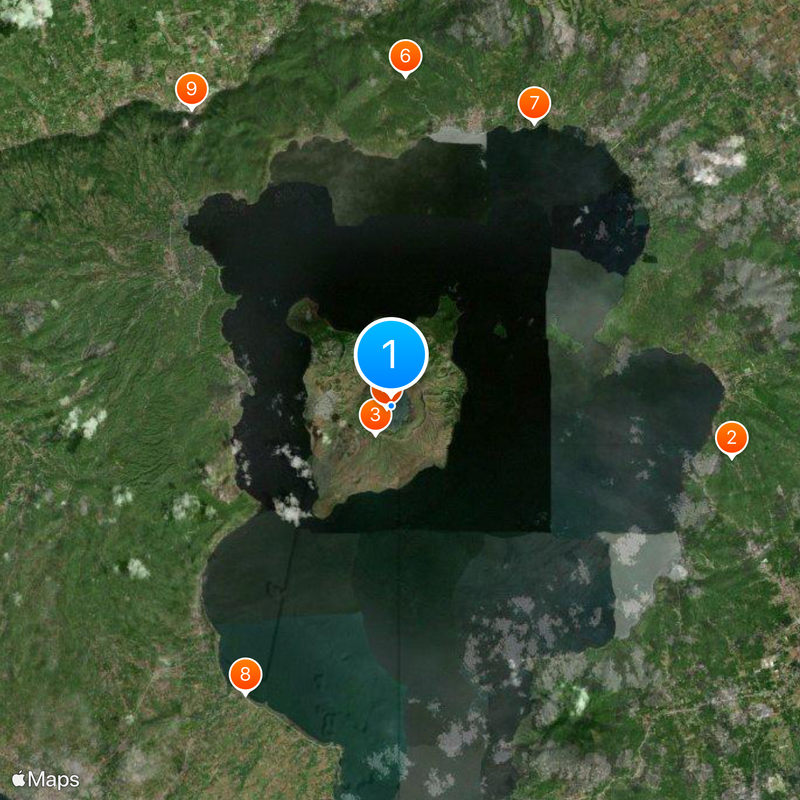
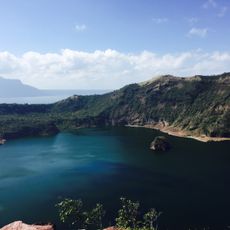
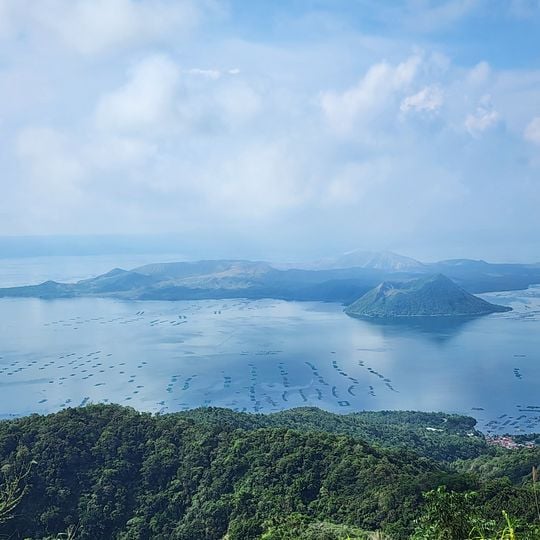
The caldera measures 25 kilometers across and holds a lake from which a populated volcanic island rises, containing a crater that shelters a smaller crater lake. This entire system forms a nested sequence of water and land within an older volcanic structure in the province of Batangas.
Four large eruptions between 500,000 and 100,000 years ago shaped the caldera, while later events created the central island. Since the 16th century, chroniclers have documented dozens more eruptions that altered the landscape and settlement patterns.
Fishing villages and farming communities surround the lake, selling fresh catch and produce at markets shaped by generations of local knowledge. Visitors notice boats departing at dawn and fields planted with pineapple and coffee, maintained despite the constant threat from below.
The Philippine Institute of Volcanology provides daily reports on seismic activity that visitors should check before planning a trip. Access to the island is by boat only, and conditions change quickly depending on alert levels and weather.
The site ranks among the most dangerous volcanoes worldwide due to its proximity to densely populated areas and the unpredictability of its eruptions. Despite this risk, the central island remains inhabited, with villages, schools, and even a small post office within the crater area.
The community of curious travelers
AroundUs brings together thousands of curated places, local tips, and hidden gems, enriched daily by 90,845 contributors worldwide.