Oświęcim, Industrial municipality in Lesser Poland, Poland
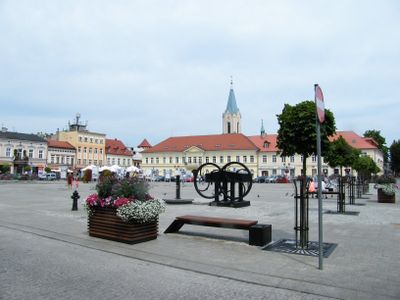
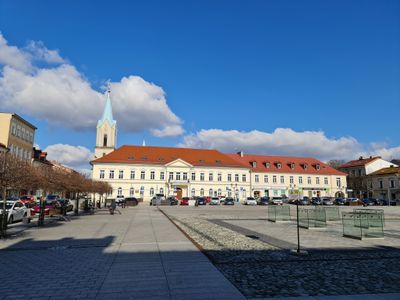
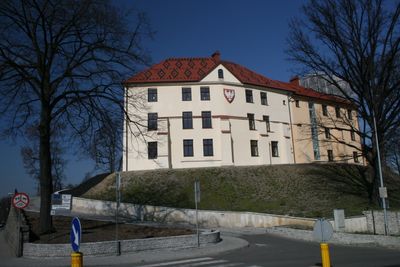
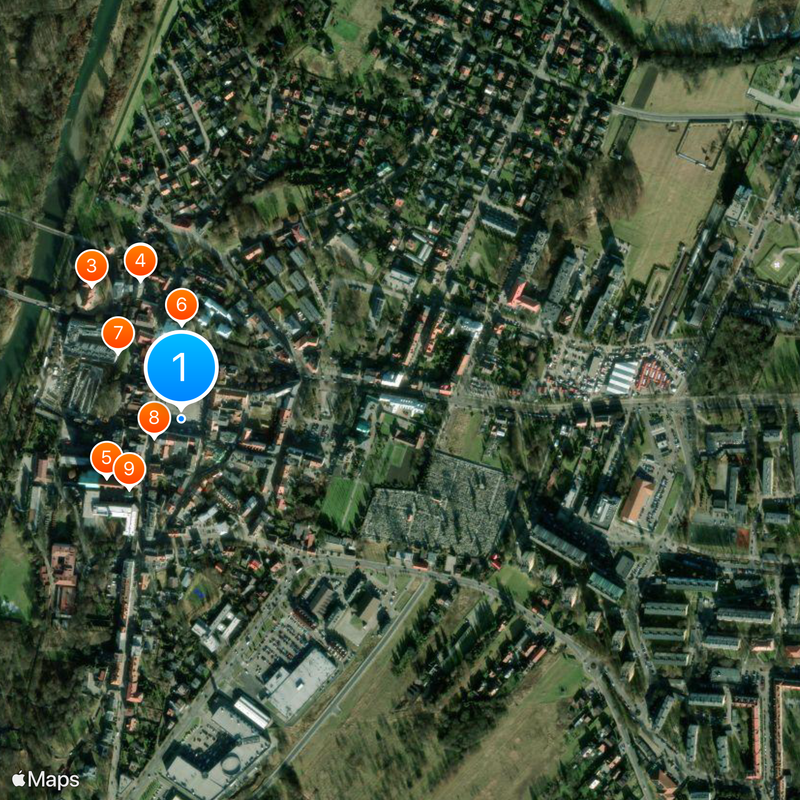
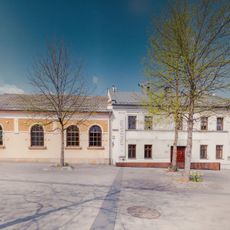
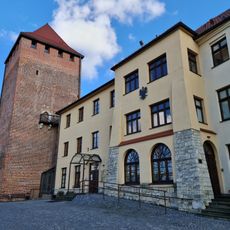
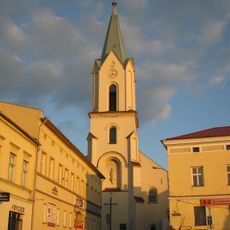
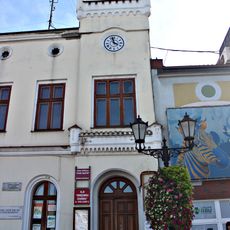
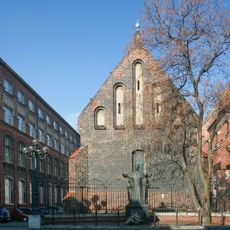
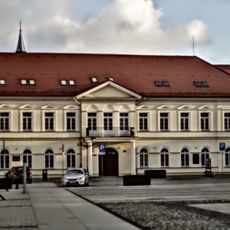
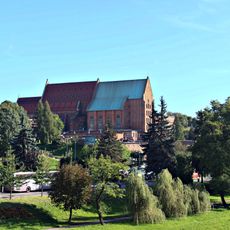
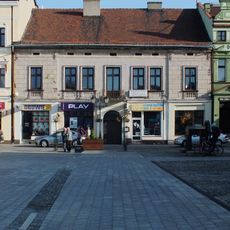
Oświęcim is a municipality in southern Poland located where the Vistula and Soła rivers meet in the Lesser Poland region. Industrial zones surround the historic center with its medieval castle, and residential neighborhoods from different eras spread along the riverside streets.
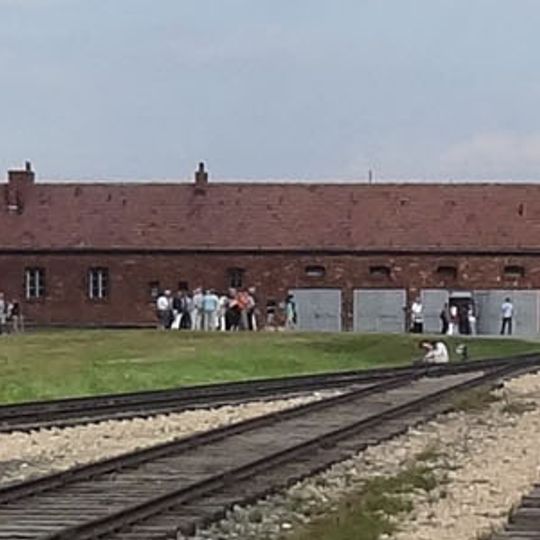
The settlement gained town rights in the 13th century and later became the capital of a duchy that joined Bohemia in 1307. In the 20th century, the regime transformed the area into a concentration camp, making the name known worldwide as a symbol of persecution.
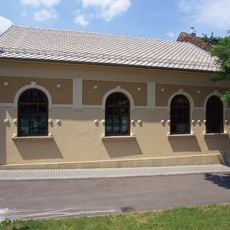
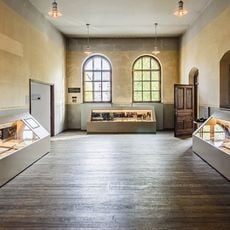
The castle houses a museum showing everyday objects and crafts from earlier centuries, while the Jewish center preserves documents and photographs of the multicultural community that once lived here. Residents walk along the Soła river promenade, and some workshops in the old town still follow traditional methods passed down through families.
Travelers reach the municipality by National Road 44 or by train from Krakow and Katowice, with journey times under an hour. The center streets are easy to walk, and both the castle and the Jewish center can be visited in a morning.
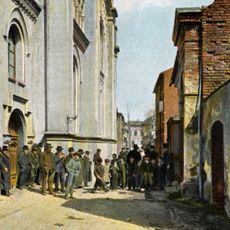
Before World War II, Jews made up more than half of the roughly 14,000 residents and shaped the economic and cultural life of the town. Today, few buildings recall that era, but archives preserve photographs of market days and synagogues showing everyday life from those years.
The community of curious travelers
AroundUs brings together thousands of curated places, local tips, and hidden gems, enriched daily by 90,917 contributors worldwide.