Gmina Tykocin, urban-rural gmina of Poland
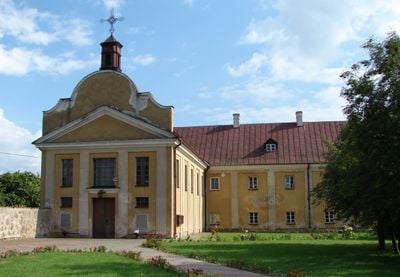
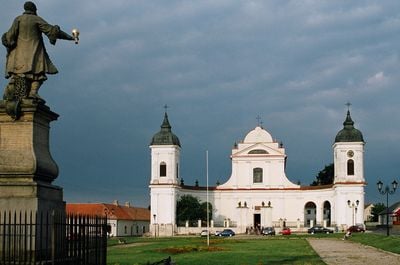
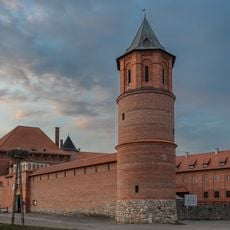
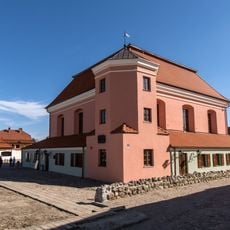
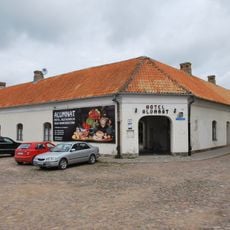
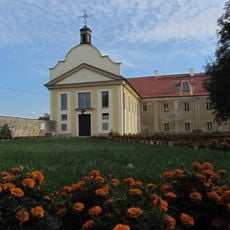
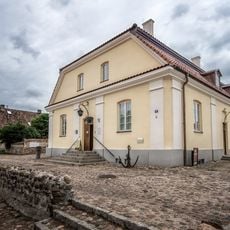
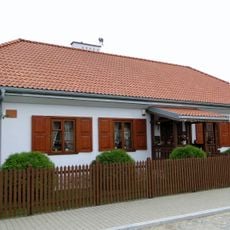
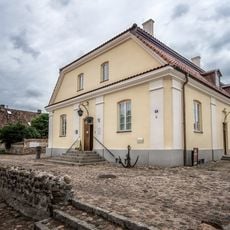
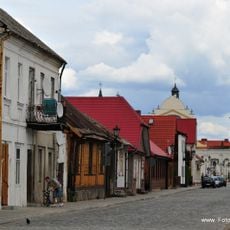
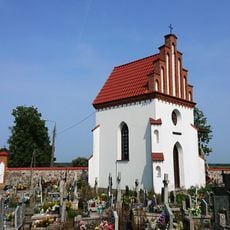
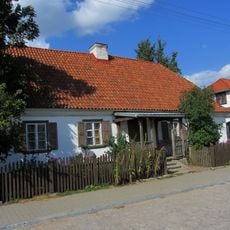
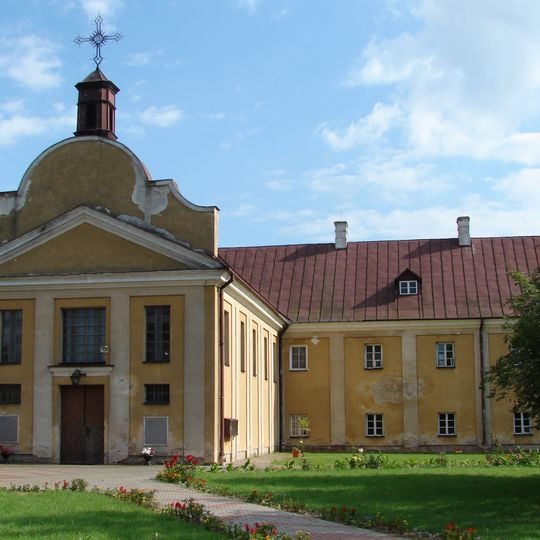
Tykocin is a small town on the Narew River in eastern Poland near Białystok, featuring well-preserved historic buildings of wood and brick arranged around a central market square with its original medieval layout intact. The town contains several notable structures including the Renaissance castle, the Baroque Holy Trinity Church, and the 1642 synagogue, each contributing to its layered architectural character.
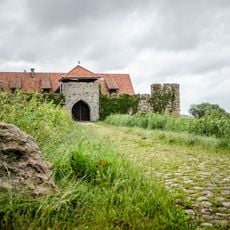
Tykocin first appeared in records in the 11th century and gained town status in 1425. King Sigismund II Augustus built the Renaissance castle in the 16th century, marking the town's rise in importance, though it subsequently changed hands multiple times during the partitions of Poland.
Tykocin was historically a major center of Jewish culture, with the 1642 synagogue serving as a focal point for the community. Today, the ornately decorated interior with ancient Torah scrolls and religious objects reflects the cultural heritage that once defined the town's identity.
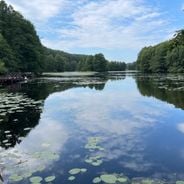
The town is easily reached from Białystok, just 30 kilometers away, and features quiet cobblestone streets suited for walking. Visitors should allow time to explore the castle, synagogue, and church, and can also walk along the Narew River or visit the nearby stork villages.
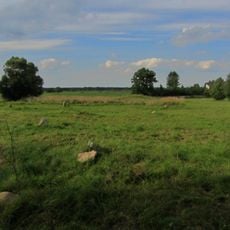
Tykocin is known as the European Stork Village because white storks build nests on rooftops and trees and can often be spotted in spring and summer. The nearby villages of Kiermusy and Pentowo feature observation towers for watching the birds and highlight the importance of these creatures to the local landscape.
The community of curious travelers
AroundUs brings together thousands of curated places, local tips, and hidden gems, enriched daily by 92,976 contributors worldwide.