See the monuments around you in AROpen chests in the app
Around Us is built for your phone — point your camera at the streets and discover the monuments and places around you in augmented reality.Around Us is built for your phone — chests unlock when you walk, explore and capture nearby places.
Masuria and Podlasie: lakes, primary forests and land marks in the northeast of Poland
The northeast of Poland holds two regions with very different views. Masuria is known for its thousands of lakes connected to each other, where boats go from island to island and from village to village. Śniardwy, the biggest lake in the country, and Mamry create a water maze used by sailboats and kayaks. Along the shores, towns like Giżycko, Mikołajki, or Ruciane-Nida sit where life moves with the boats' departures and returns. Further north, the Łuknajno reserve protects large groups of wild swans among reeds and calm water.
Podlasie starts where there are fewer lakes. This forested region is home to the Białowieża Forest, one of the last primeval forests in Europe still home to bison. The villages keep wooden Orthodox churches and traditions from Belarus and Lithuania. Between the two areas, you also find spots full of history, like the Wolf’s Den bunker near Gierłoż hidden in the trees. The land is mostly wild, with traces of humans blending quietly into the scene.
Masuria and Podlasie: lakes, primary forests and land marks in the northeast of Poland
The northeast of Poland holds two regions with very different views. Masuria is known for its thousands of lakes connected to each other, where boats go from island to island and from village to village. Śniardwy, the biggest lake in the country, and Mamry create a water maze used by sailboats and kayaks. Along the shores, towns like Giżycko, Mikołajki, or Ruciane-Nida sit where life moves with the boats' departures and returns. Further north, the Łuknajno reserve protects large groups of wild swans among reeds and calm water.
Podlasie starts where there are fewer lakes. This forested region is home to the Białowieża Forest, one of the last primeval forests in Europe still home to bison. The villages keep wooden Orthodox churches and traditions from Belarus and Lithuania. Between the two areas, you also find spots full of history, like the Wolf’s Den bunker near Gierłoż hidden in the trees. The land is mostly wild, with traces of humans blending quietly into the scene.
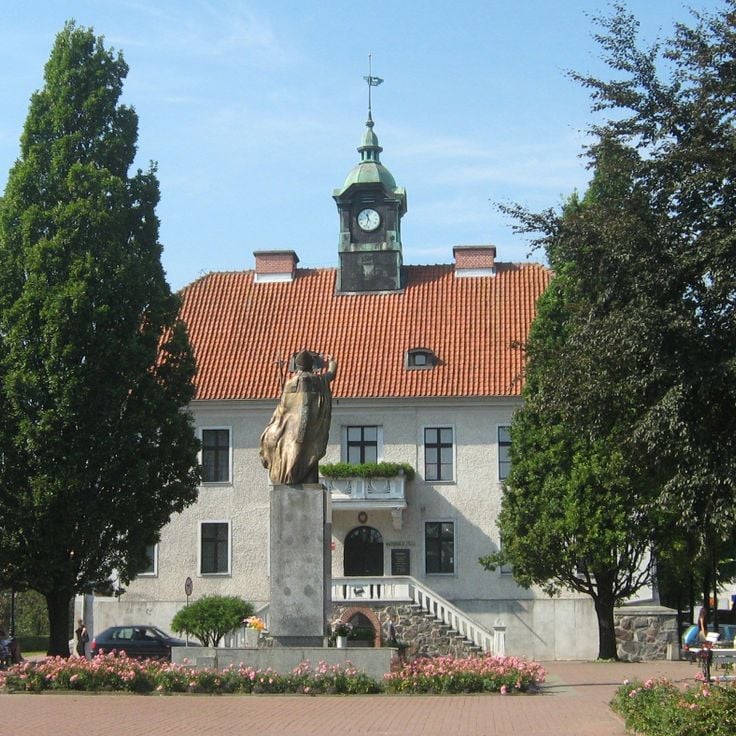
Mrągowo is a lakeside town in Masuria where boats and water sports shape daily life. The town sits along several connected lakes and is known for its festivals that draw visitors from across the region. From here, travelers can easily reach other settlements by water and navigate between islands and villages, as is common throughout this lake-filled area. Mrągowo shows how people in Masuria build their lives around the water.
The Szlak Wielkich Jezior Mazurskich crosses the lake region of Masuria in northeastern Poland. This route connects thousands of lakes joined together by natural channels and human-made waterways. Sailors and kayakers navigate between lakes like Śniardwy, the largest lake in the country, and Mamry. Small towns along the route such as Giżycko, Mikołajki, and Ruciane-Nida organize their life around the arrival and departure of boats. The route also reaches the Łuknajno Reserve, where wild swans live among reeds and calm water.
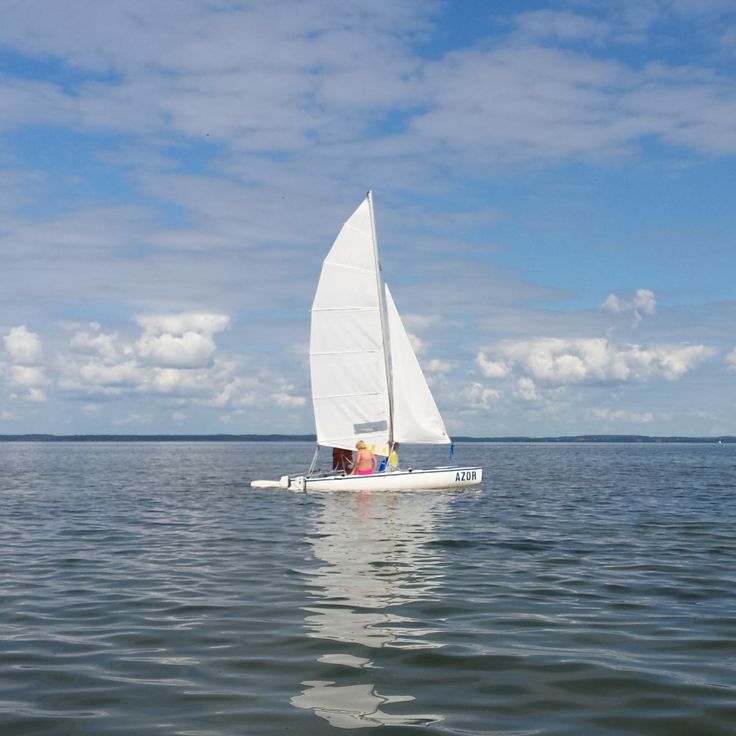
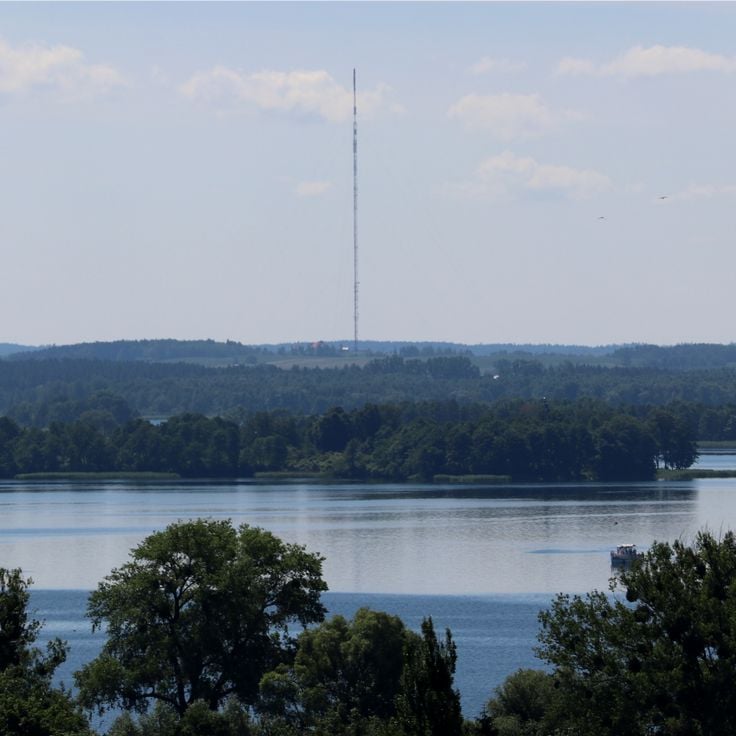
Lake Śniardwy is the largest lake in Poland and sits in Masuria, a region with thousands of interconnected lakes in the country's northeast. Sailboats and kayakers navigate its waters between islands and villages such as Giżycko and Mikołajki. The shores are bordered by forests, and small towns shape the daily life of people whose routines follow the arrivals and departures of boats. The lake forms part of an extensive water system that runs through Masuria and draws visitors into a landscape where nature and human activity exist side by side.
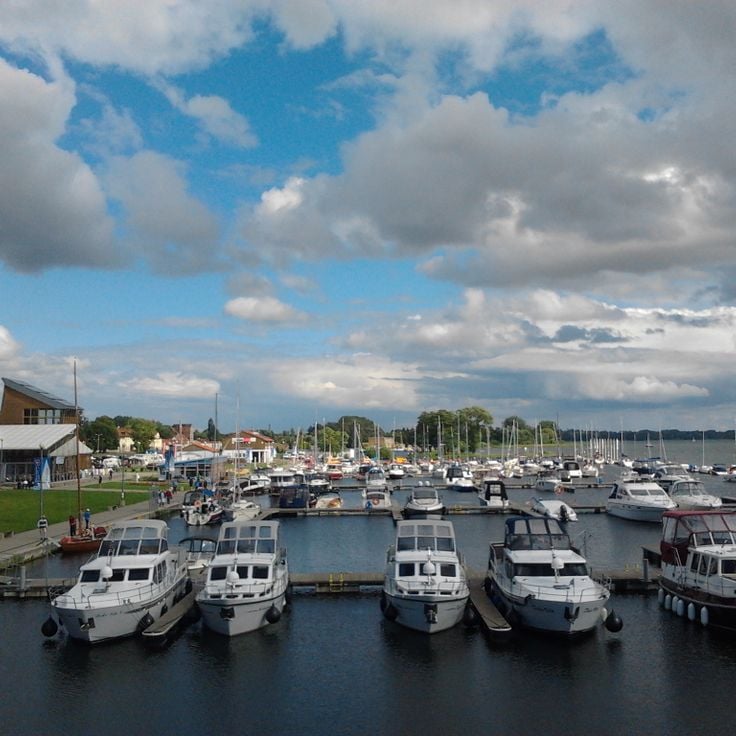
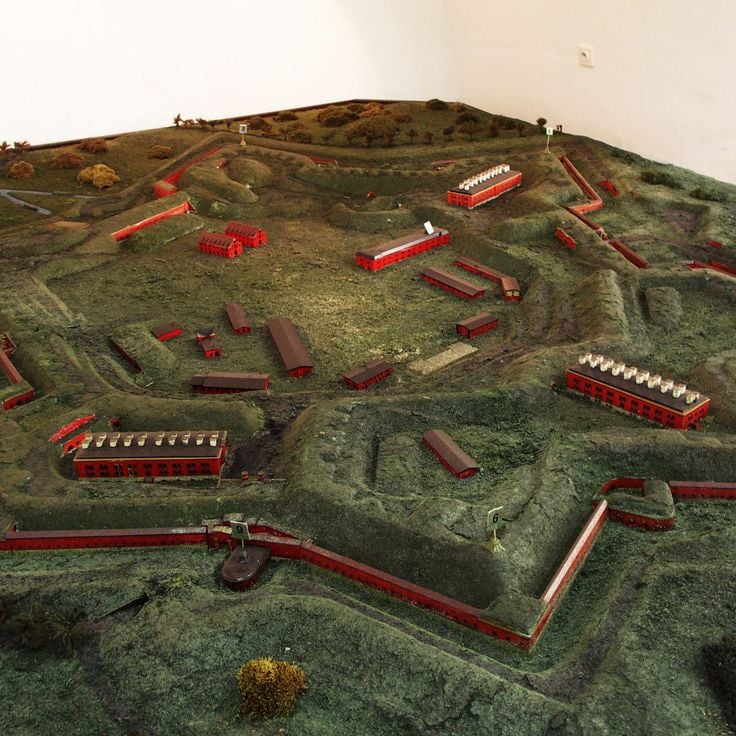
Giżycko is the main water sports hub in the Mazuria region. The town sits where two large lakes connect, and it has long been a place where boats and travelers pass through. The old Boyen Fortress stands above the waterfront, marking the town's historical importance. Today, sailors, kayakers, and visitors come here to explore the lakes. The harbor fills with boats, and the streets are lined with restaurants, shops, and guest houses that rely on water sports and tourism. The town blends history and daily life along the water in a landscape of lakes and forests.
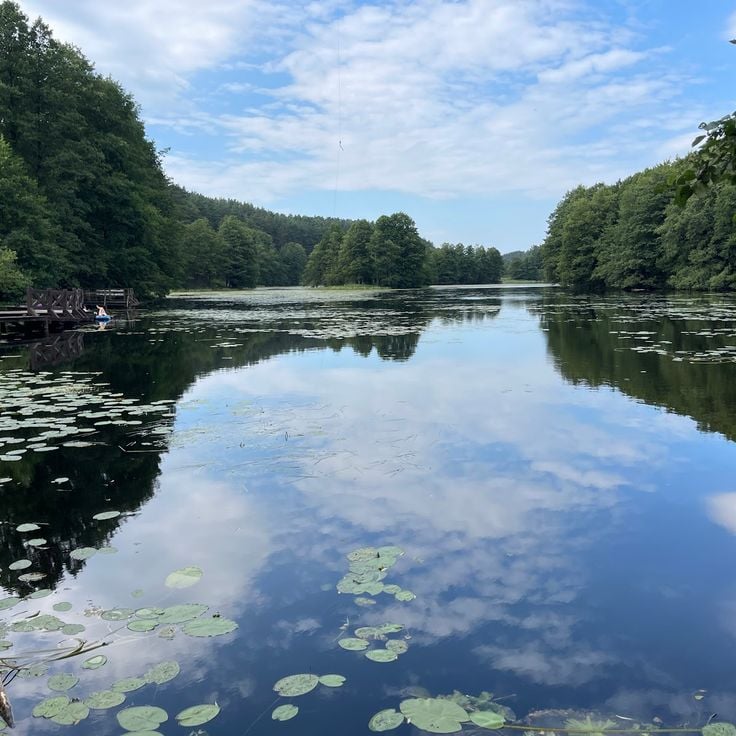
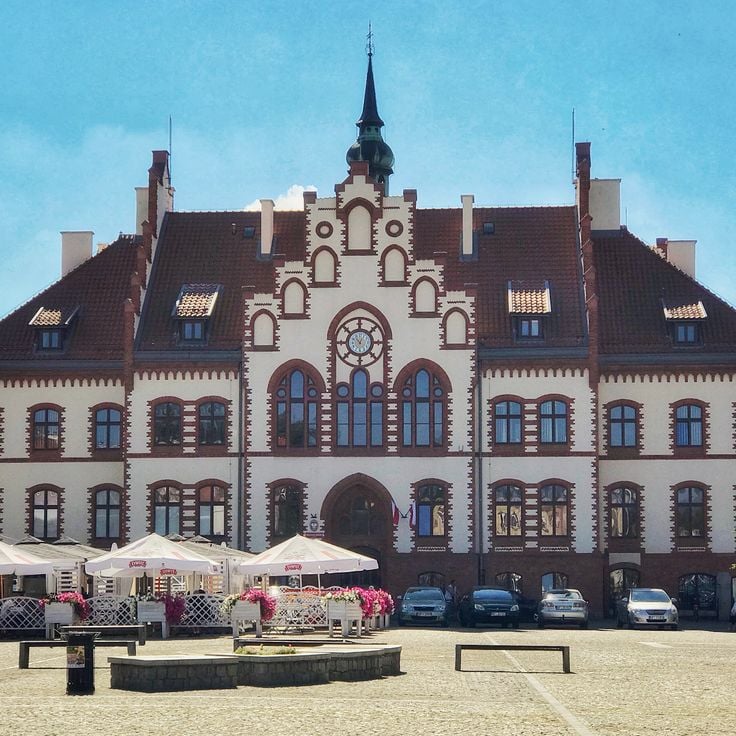
Pisz sits in the heart of Mazury, surrounded by large forests. The town itself is small and quiet, with lakes and trees all around. From here, visitors can explore the lake region or walk through the woods. The area is less developed than other parts of Mazury and offers space for nature and small villages.
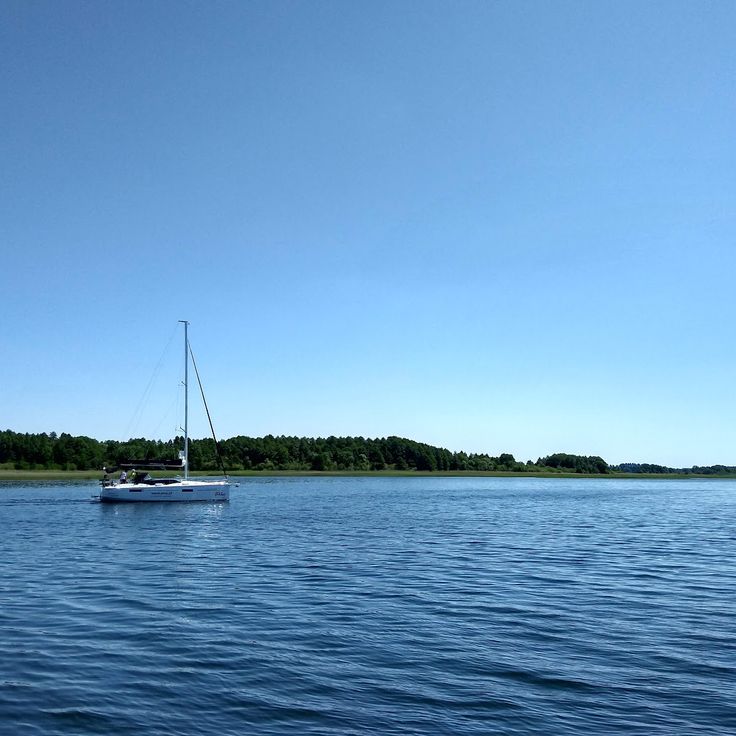
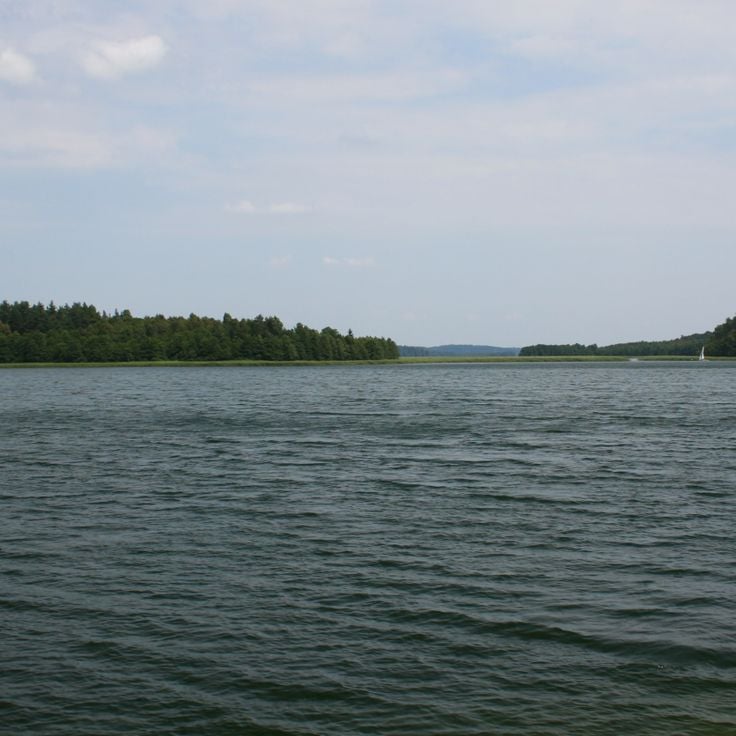
Lake Mamry is one of the largest lakes in Mazury in northeastern Poland. The water spreads between forested shores and connects to other lakes through natural channels. Sailors and paddlers use this lake to travel from one village to the next. Small towns like Giżycko and Mikołajki sit along the shores, where life follows the rhythm of arriving and departing boats. The lake offers space for rowboats, sailboats, and kayaks that navigate between the bays and islands.
Lake Niegocin is located near Giżycko in Masuria, a region in northeastern Poland known for thousands of interconnected lakes. The lake features beaches and water sports where visitors can sail, kayak, or swim. The surrounding villages and towns, like Giżycko, follow the rhythm of arriving and departing boats. The lake forms part of a vast water maze nestled between forests and shorelines.
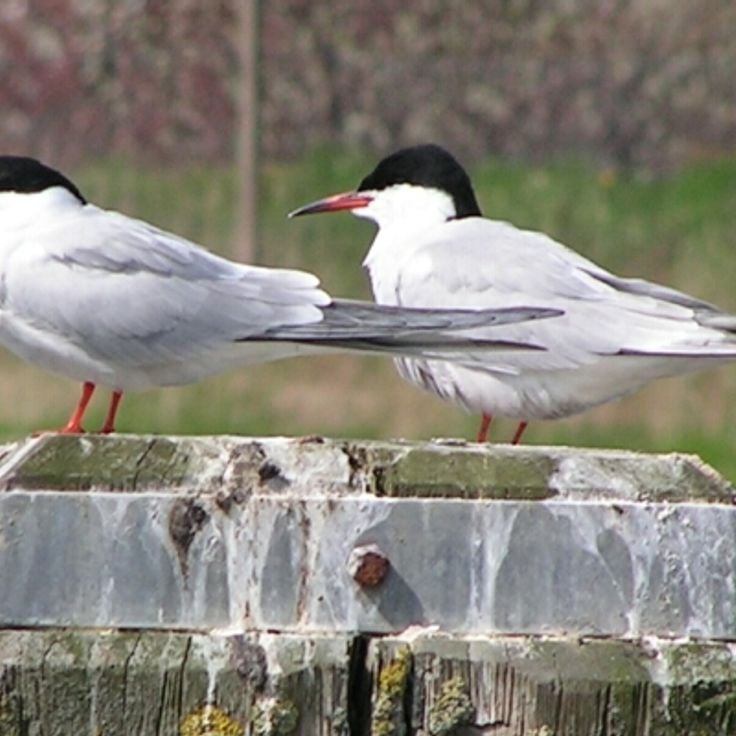
The Łuknajno Reserve sits in Mazury and protects one of Europe's largest wild swan colonies. The lake is surrounded by reeds and shallow water, creating a habitat where thousands of birds gather to breed and rest. The site holds UNESCO recognition and attracts ornithologists and travelers who come to watch birds in their natural setting. A visit can include boat trips across the water or walks along viewing platforms. The nearby town of Mikołajki provides easy access to the reserve.
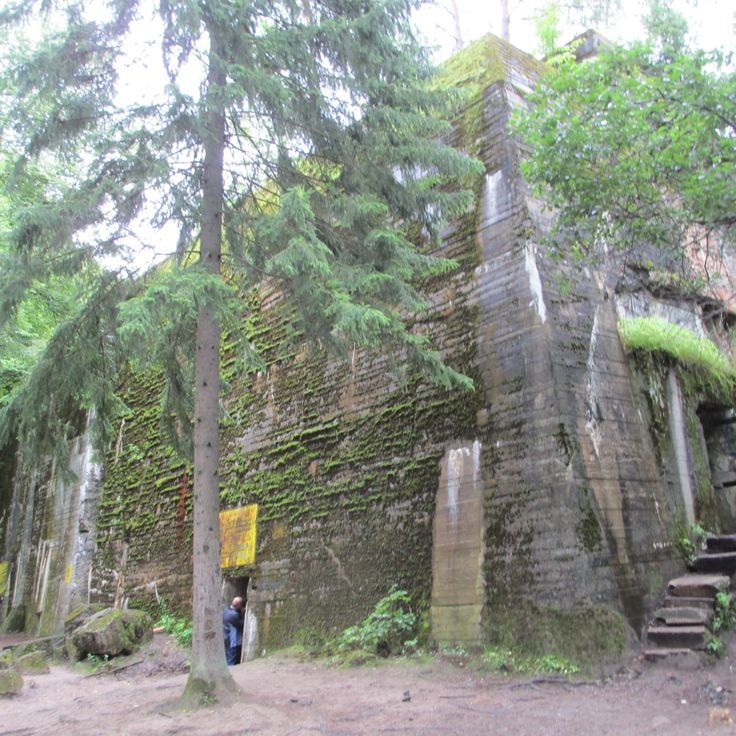
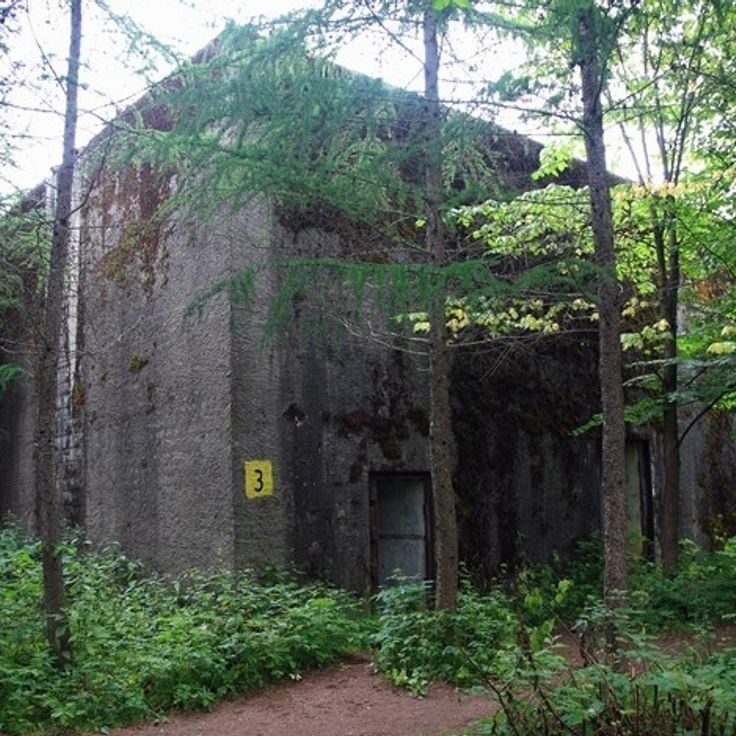
The Wolf's Lair near Gierłoż was Adolf Hitler's main military headquarters during World War II. The compound sits hidden in the forest and consists of massive concrete bunkers buried deep underground. Military leaders and politicians met here to plan war operations. The site still shows heavy concrete structures and damage from the final days of the war, when the buildings were blown up. Visitors can walk through the ruins and explore the underground rooms where history took place.
Ruciane-Nida is a village on the Masuria lakes where daily life follows the rhythm of boats coming and going. The village sits at the edge of Pisz Forest and connects to waterways that wind between islands and other settlements. Sailors and kayakers pass through here regularly. The village itself is modest, with buildings that blend into the surrounding landscape.
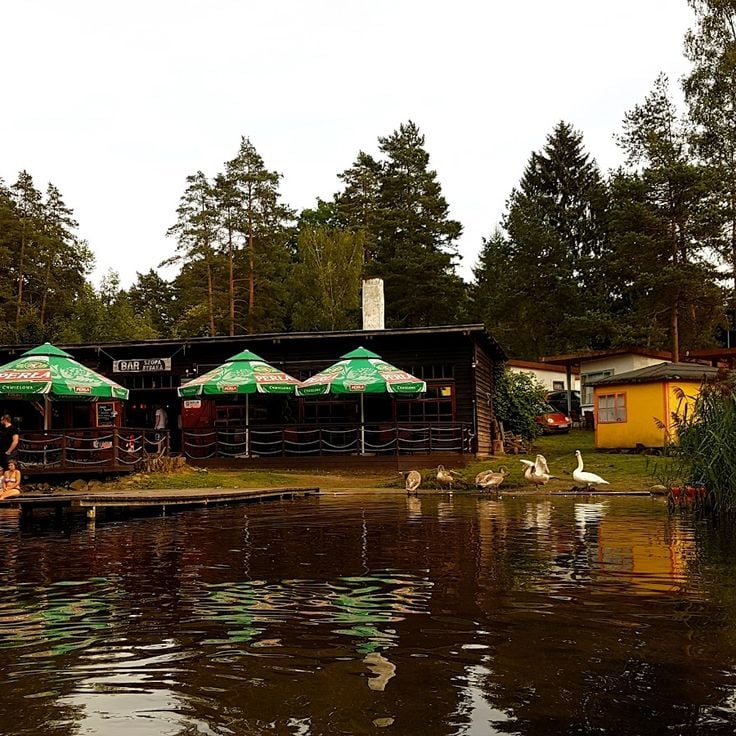
The Krutynia Rivercamp sits near Krutyń in Mazury and provides access to a river known for kayaking and water expeditions. The river winds through forested terrain and connects small settlements along its banks. Paddlers travel between shores lined with old pine trees and watch birds fly overhead. The camp serves as a starting point for multi-day trips on the water. This part of Mazury is defined by waterways and forests, where the rhythm of local life follows the flow of rivers and lakes.
Boyen Fortress is a 19th-century fortification in Giżycko, a town in Mazury. It rises above the water systems of the region and stands between the shores of the large lakes. The fortress shows the military history of this area. It sits at a place where water and land meet, amid villages and waterways where sailboats and kayaks travel.
Mamerki is a complex of military bunkers located near Węgorzewo in Mazury. This fortification from the Second World War served as an important command post. The site sits within the lake-filled landscape of Mazury, surrounded by forests and waterways. Visitors can explore the underground passages and rooms to learn about this region's history during the war. The complex shows how military structures were built into the natural landscape of northeastern Poland.
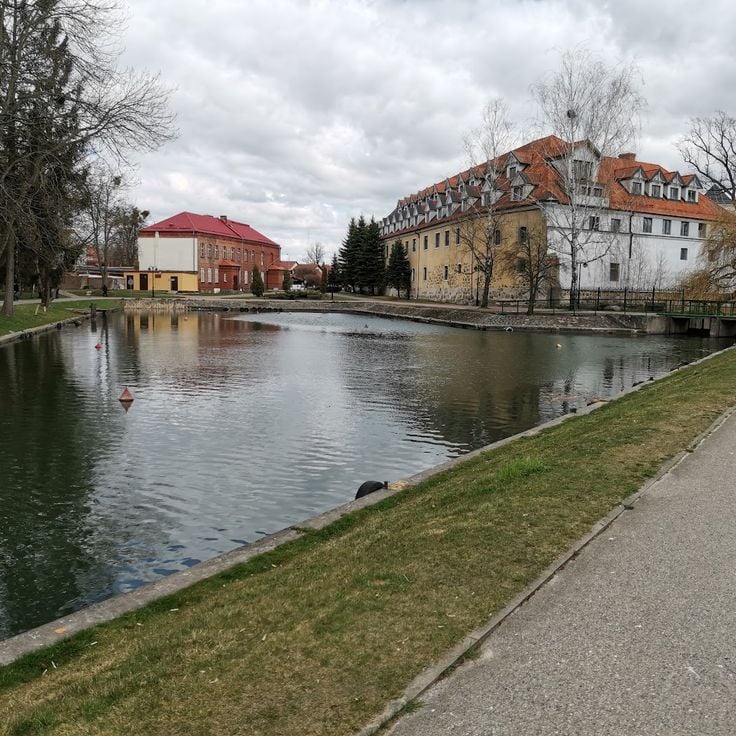
Węgorzewo is a small lakeside town located in Masuria, positioned at the edge of one of the many lakes that define this region. The town serves as a gateway for exploring the interconnected waters that spread across the landscape. Boats and kayaks depart regularly from the docks, carrying visitors into the maze of lakes and waterways. The town's rhythm follows the coming and going of water traffic, with buildings clustered along the shores and a harbor that pulses with activity. For travelers seeking to navigate the lake network of Masuria, Węgorzewo offers a natural starting point.
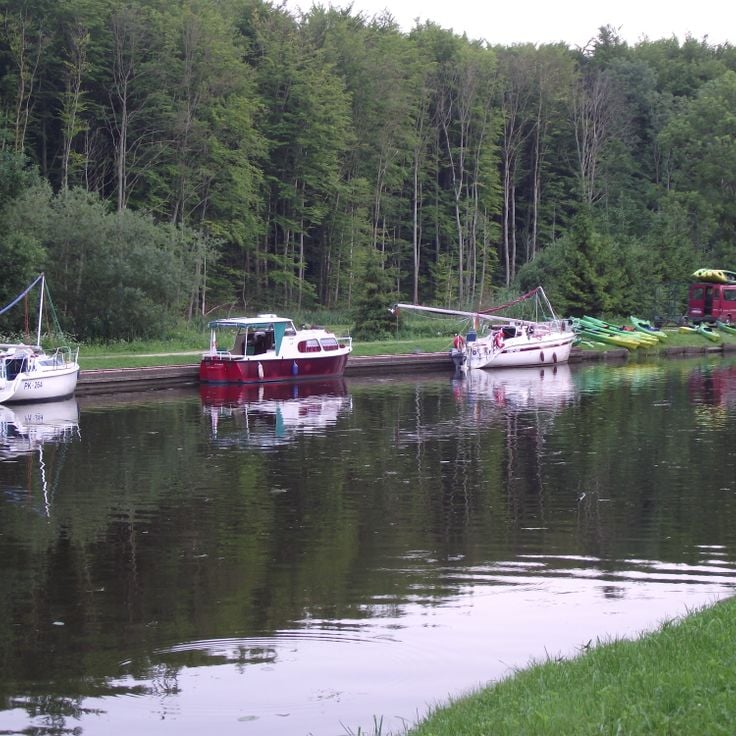
The Elbląg Canal near Elblądg is a 19th-century engineering feat. It connects two rivers at different water levels using inclined planes where boats travel uphill and downhill like on rails. This design let ships overcome height differences without traditional locks. The canal runs through flat countryside with fields and trees. Today, small boats and tourists still use it to experience this historic transportation system.
Ełk is a town in the heart of Mazuria, where waterways shape daily life. The lakeside promenade offers places to walk and views over the water. The marina serves as a hub for boats and sailors traveling between islands and villages. The town works as a starting point for exploring the lakes and surrounding forests.
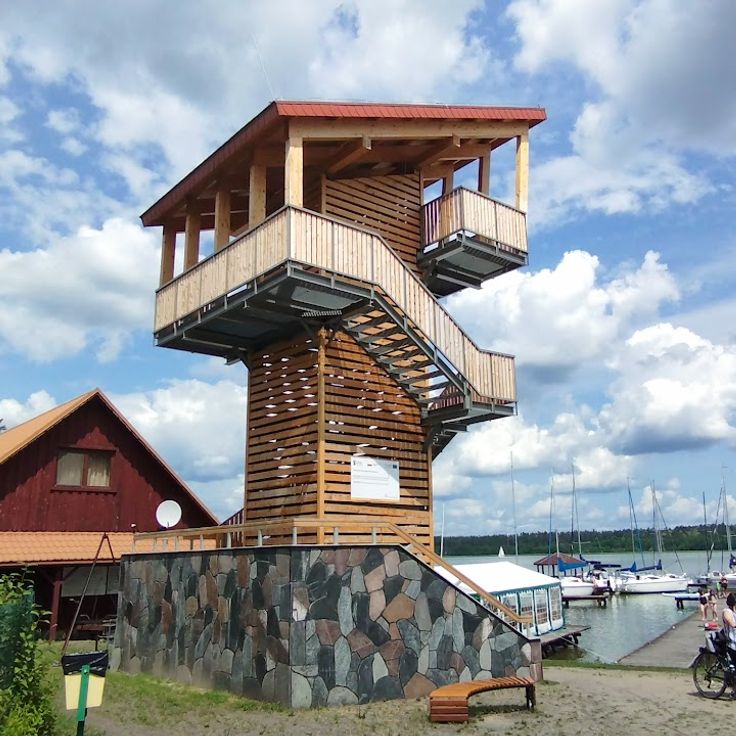
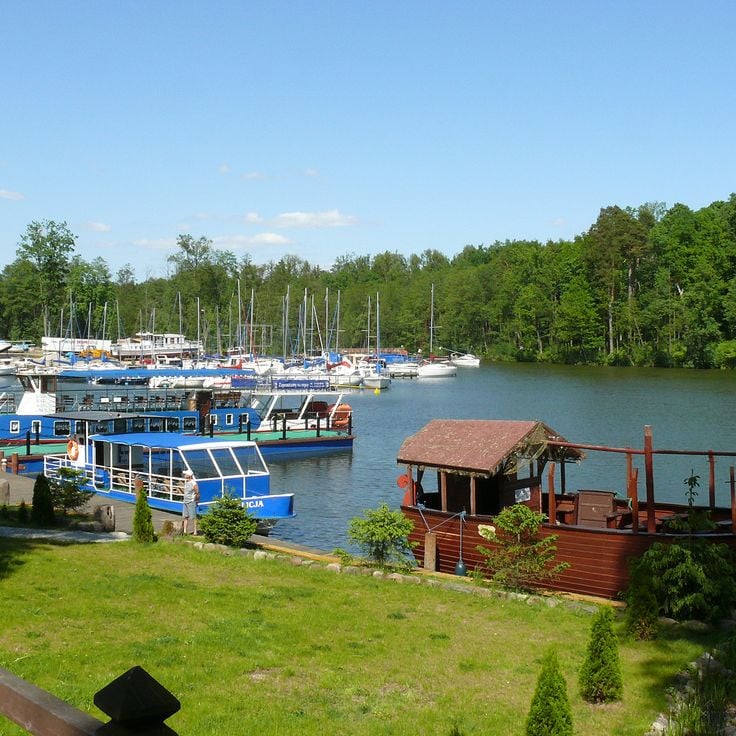
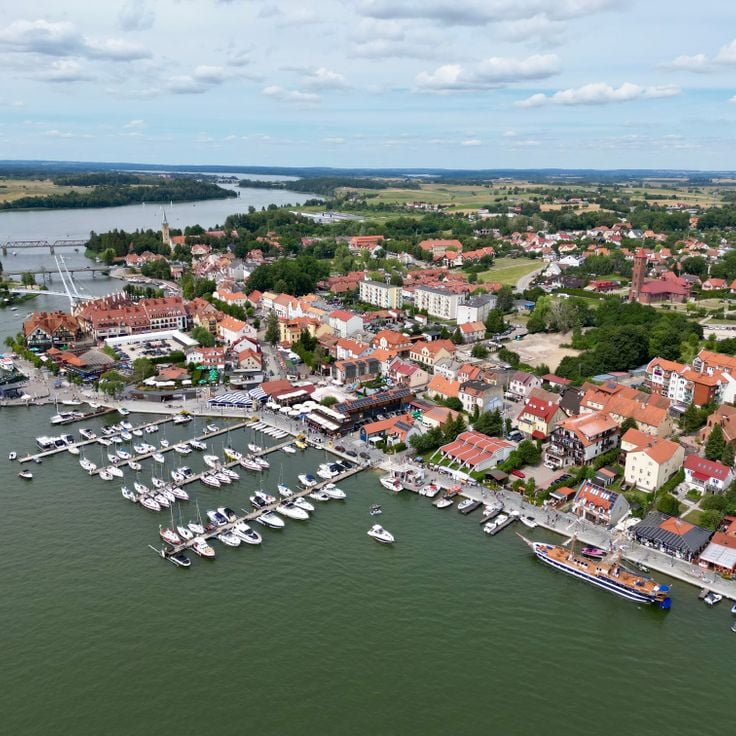
Mikolajki is a village on the edge of the Masurian Lakes where life revolves around water. The place has a harbor from which boats depart in every direction. Visitors can take sailing trips, paddle kayaks, or simply sit by the shore and watch the boats come and go. Houses stand close to the water, and everywhere you see people loading boats or heading out to the lake. The village is small enough to walk through in a short time, but filled with visitors who come for the water sports and boating.
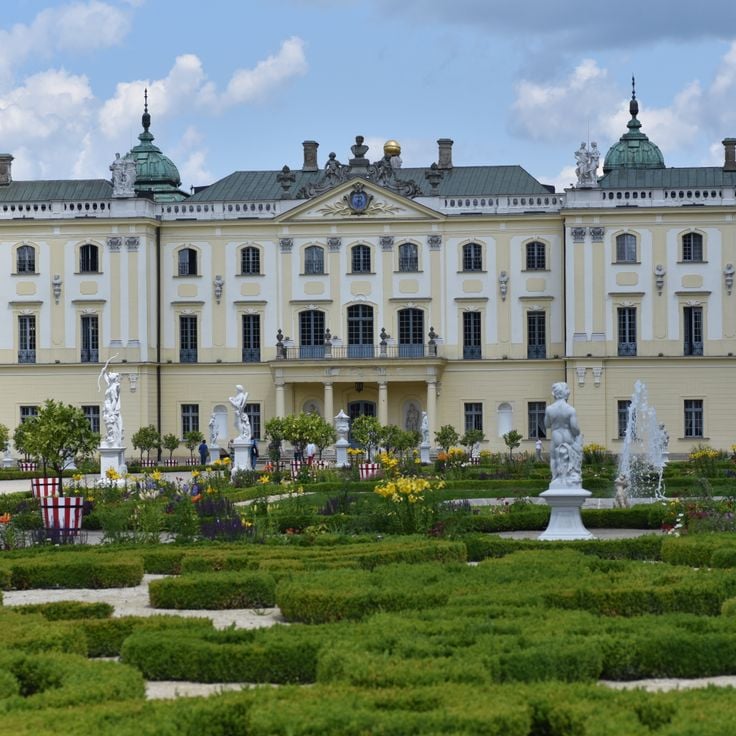
The Branicki Palace in Białystok stands as one of Podlasie's most important buildings. This Baroque structure was built by the wealthy Branicki family and impresses with its facades, courtyards, and expansive gardens. The palace reflects the power and wealth of the noble families who ruled this region. Inside, visitors find grand staircases, rooms with decorated ceilings, and furnishings that speak to the life of Polish nobility. Today the palace welcomes visitors who want to understand the history of Podlasie through its architecture and rooms.
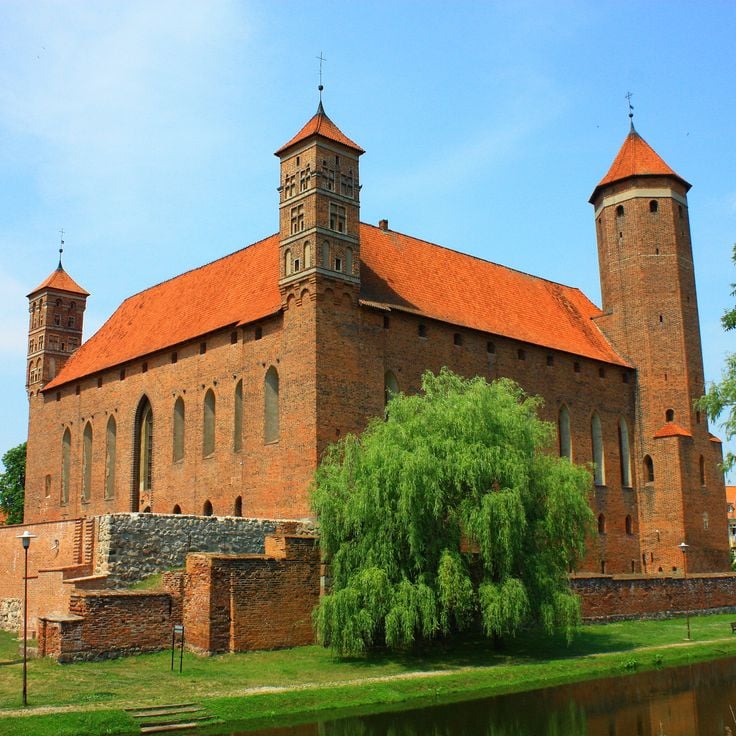
Lidzbark Warmiński sits in the Warmia region of northeastern Poland, surrounded by lakes and forests. The town centers on its gothic castle, built in the 14th century as the residence of prince-bishops. The castle stands on the river with its distinctive red tile roofs and towers. The old town spreads around the castle with narrow streets where craftspeople work and shops occupy historic buildings. The setting combines the town's medieval architecture with the natural landscape of the region: forests and waterways shape what you see as you move through the area.
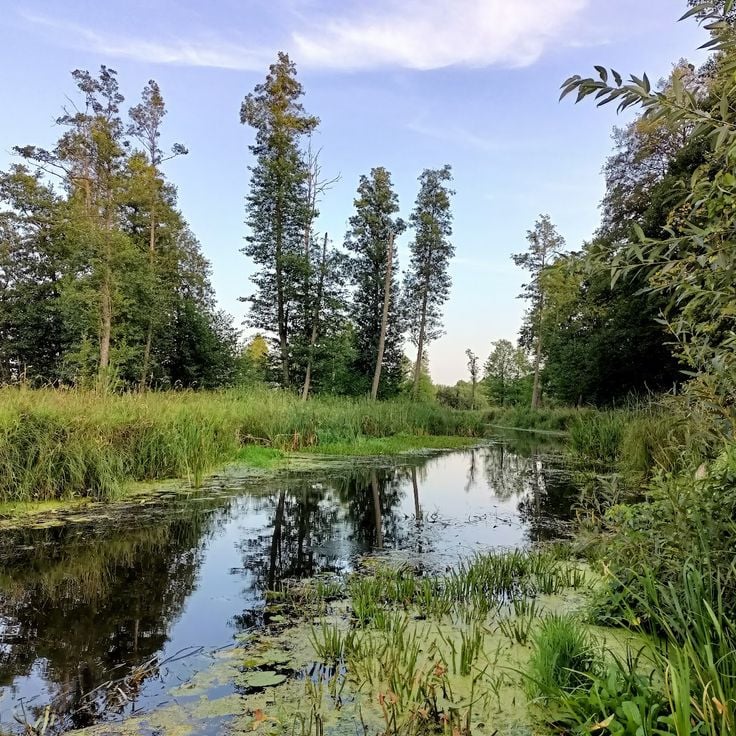
Biebrza National Park in Podlasie protects a vast wetland where nature takes center stage. The park encompasses marshes, river valleys, and meadows that support elk, beavers, and hundreds of bird species. Visitors travel by boat or on foot through reed beds and open waters where cranes, eagles, and herons thrive. The Biebrza River shapes the landscape as it winds through flat terrain, creating a habitat where wildlife has room to flourish. This park represents one of Europe's most important natural areas for the species that depend on wetlands to survive.
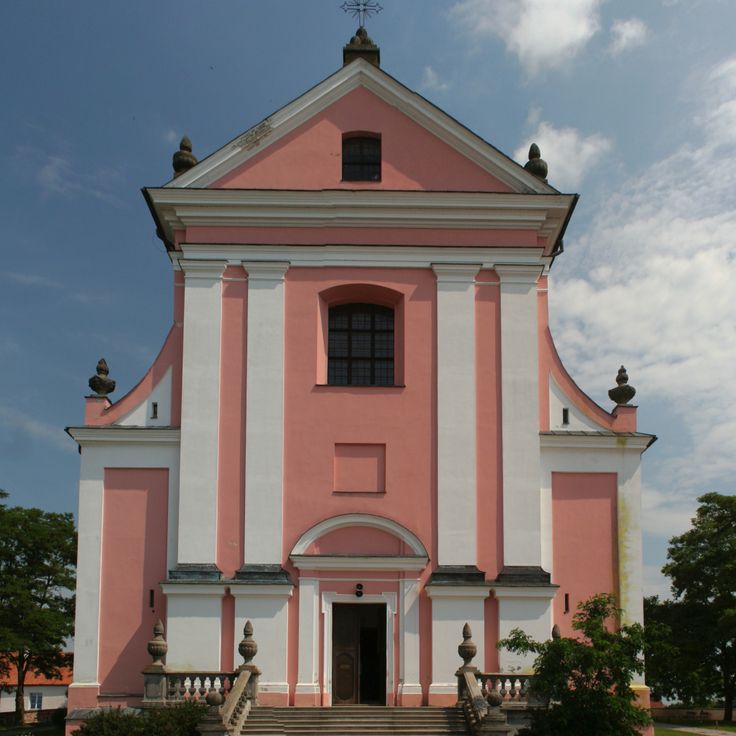
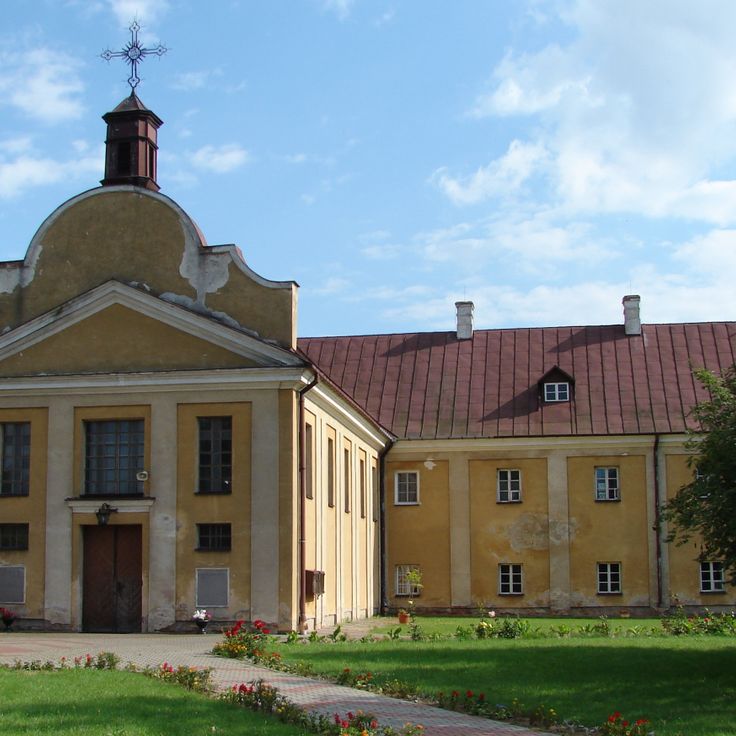
Wigry Monastery sits on a lake in northeastern Poland where forests and water meet. Located in the Podlasie region, this baroque monastic complex rests at the water's edge, surrounded by the woodlands typical of this part of Poland. Visitors come to see the architecture and experience the quiet setting. Walking trails wind through the forest around the grounds, and from the lake itself, you can view the buildings from the water. The place reflects the history and landscape character of a region where nature and human traditions coexist.
Białowieża village sits at the edge of one of Europe's last primary forests. Houses line quiet streets, and from many points in the village you can see the forest. The Białowieża Forest extends across the border between Poland and Belarus. This forest is home to bison, lynx, and many other animals rarely found in other European forests. The village itself offers everything visitors need to explore the woodlands - guides, simple lodging, small restaurants. Many people come here to walk forest paths or watch wildlife. The village also preserves the culture of this border region, where different traditions meet.
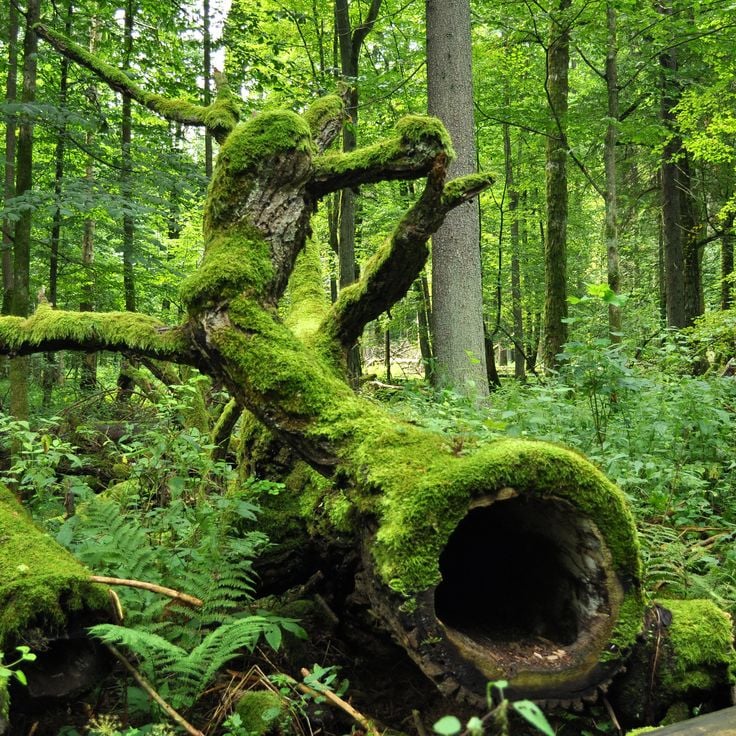
Białowieża National Park is one of the last primary forests in Europe, located in the Podlasie region of northeastern Poland. This forest is home to European bison, wolves, lynxes, and many other animal species living in their natural state. Massive old trees create a dense woodland that extends across the border into Belarus. Visitors can walk on trails through the park and observe wildlife. A visitor center explains the forest's history and the animals that inhabit it. The park shows what Europe looked like before human settlement.
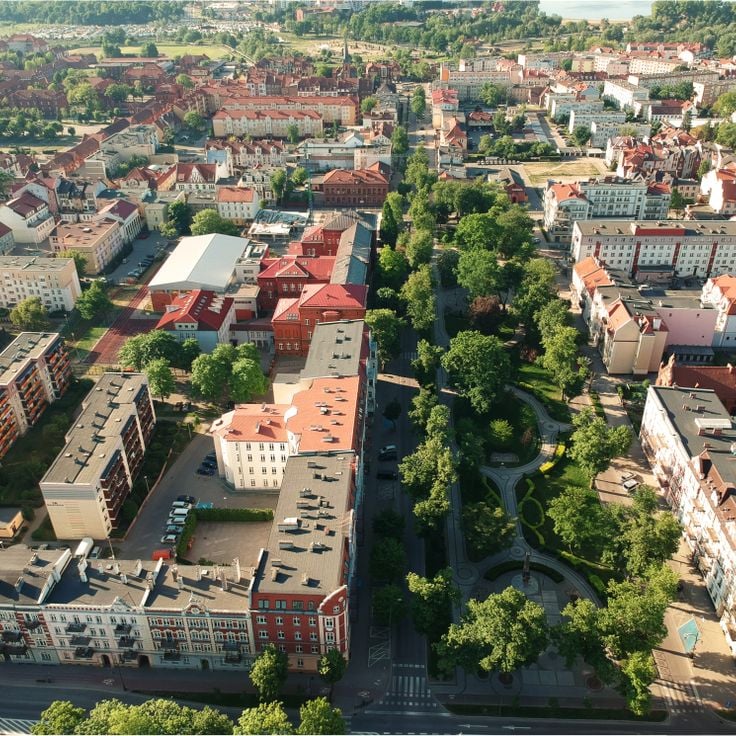
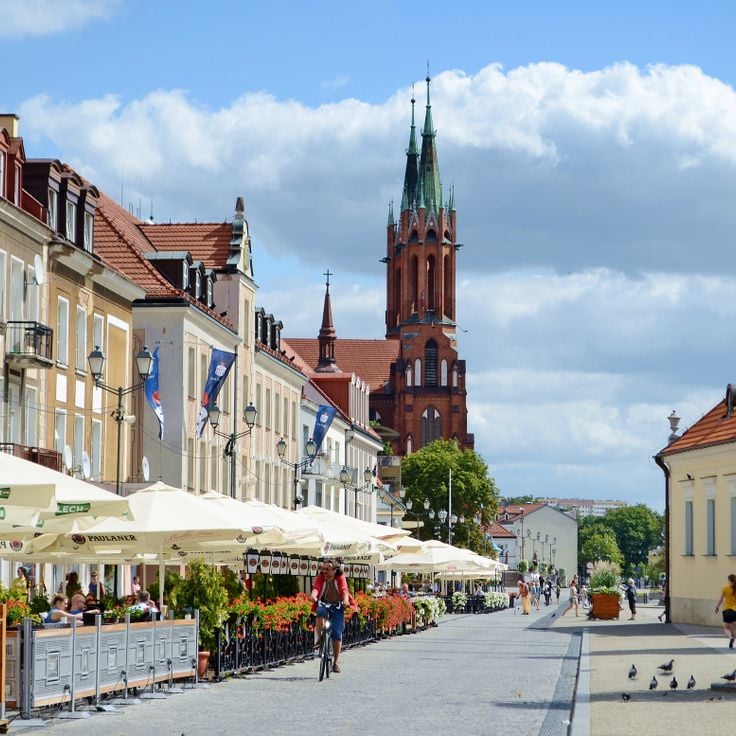
Białystok is the main city of Podlasie in northeastern Poland. It grew up around the Branicki Palace, a large building from the 18th century with surrounding gardens. Walking through the streets, you see plazas where people shop and meet. The city holds buildings from many different periods, from the Baroque era to today. Parks and green spaces run through the town, offering places to walk and rest. Białystok sits at a crossroads between the lake regions of Masuria and the forests of Podlasie. The city carries marks of its past, including churches of different faiths that show the cultural layers of this border region. Nature stays close here, and the human traces blend quietly into the landscape.
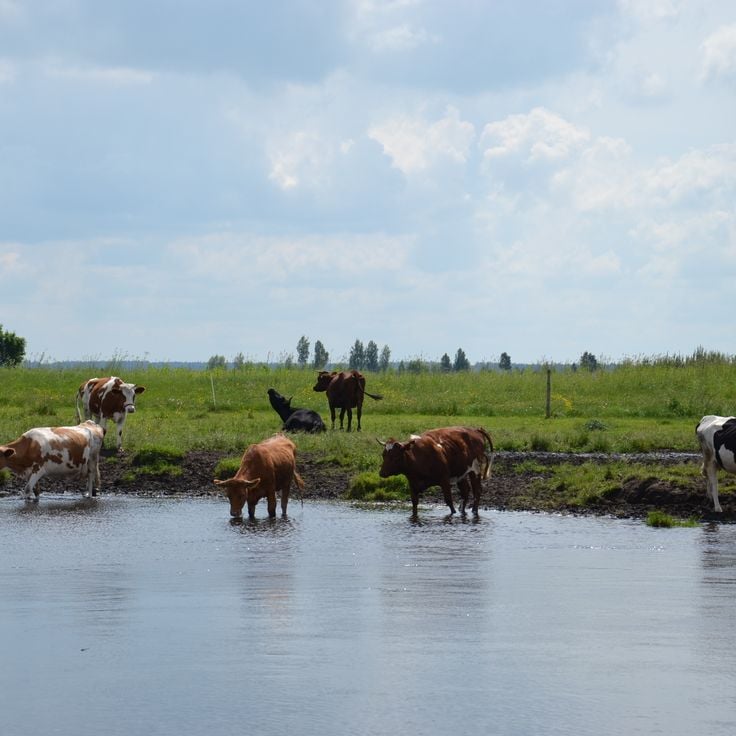
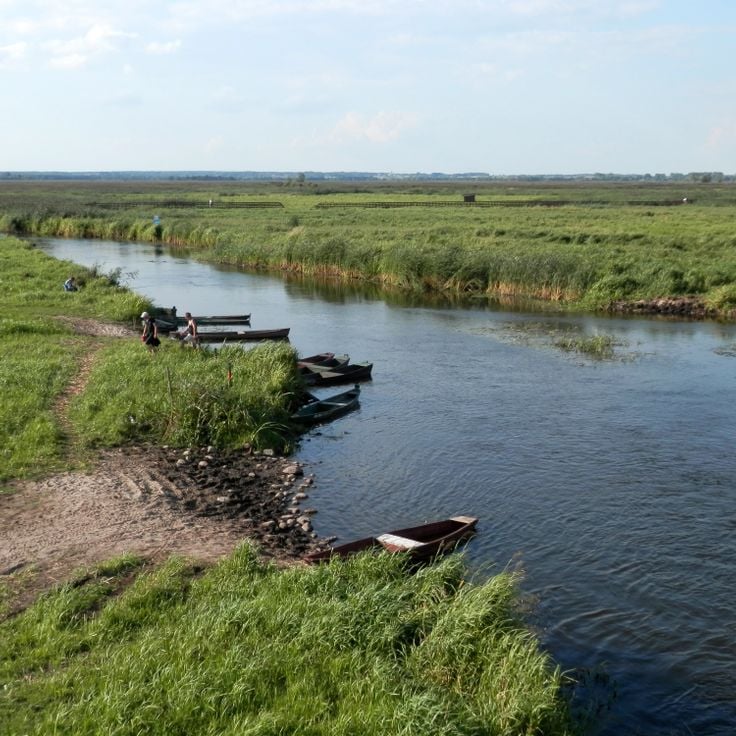
The Narew National Park in Podlasie shows a river that spreads into multiple channels across the landscape. Wooden boardwalks allow visitors to walk through the wetlands and forests without disturbing the habitat. Birds, beavers, and fish live in this braided river system where water and land meet. The banks shift between thick vegetation and open marshes. This park is part of a region known for its lakes, old forests, and small villages where nature takes up most of the space.
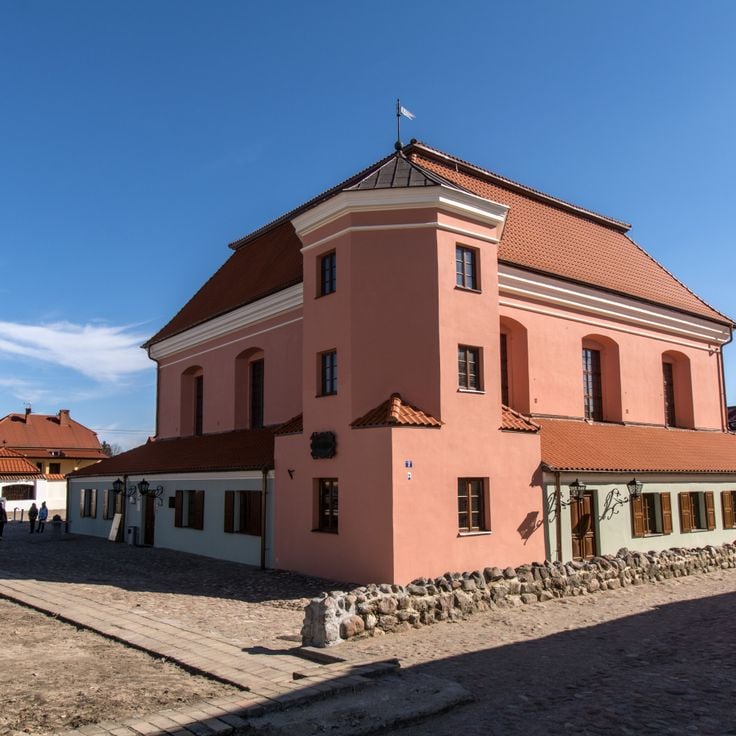
The Synagogue of Tykocin is a significant historical site and testimony to Jewish culture in Podlasie. This building stands in a region where the history of many peoples - Poles, Lithuanians, Belarusians, and Jews - are intertwined. The synagogue represents the presence and heritage of the Jewish community in northeastern Poland before its destruction during World War II. Today it serves as a place of remembrance and reflection on the past of these lands.
Lake Wigry near Suwałki is a large body of water surrounded by forests and fields. Visitors can take boat tours, swim at beaches, or walk along the shores. The lake sits in a natural setting and offers a peaceful place for swimming and boating. Several small villages lie along its edges.
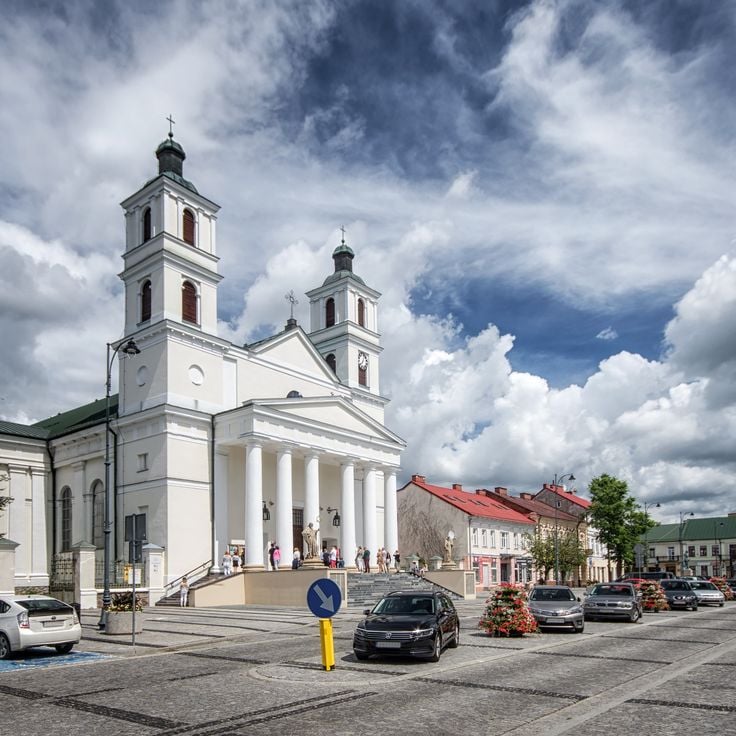
Suwałki is a town in the Podlasie region and serves as a base for nature activities and boating in northeastern Poland. The town sits in an area with lakes and forests and provides access to the region's natural surroundings. From here, visitors can explore the surrounding waters and woodlands.
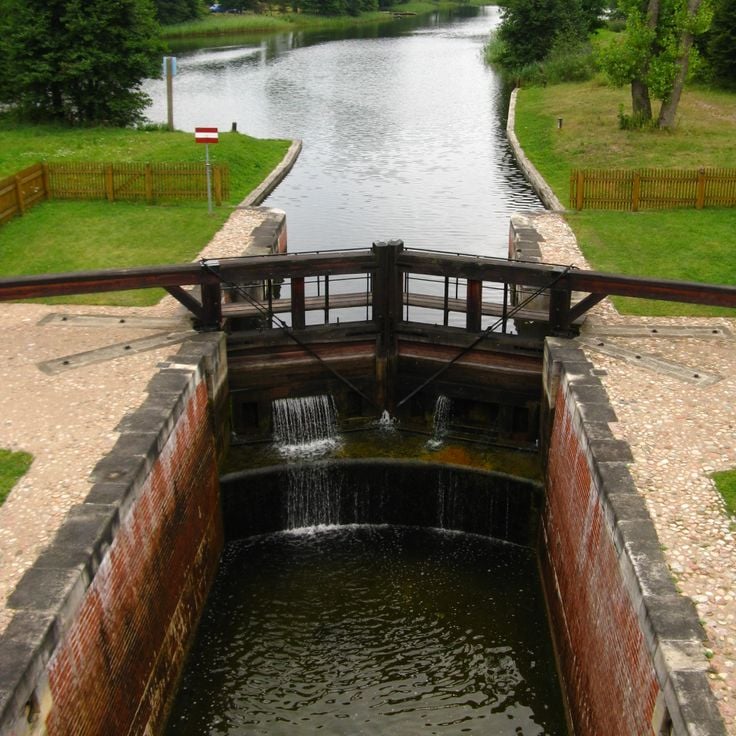
The Augustowski Canal is a historic waterway that crosses through the Podlasie landscape. Built over 200 years ago to support trade, this canal connects various lakes and rivers. Today, boats and kayaks travel through its waters, passing through locks that control the water level. The banks are lined with forests and fields. The canal forms part of the natural character of northeastern Poland, where water and nature shape daily life in the region.
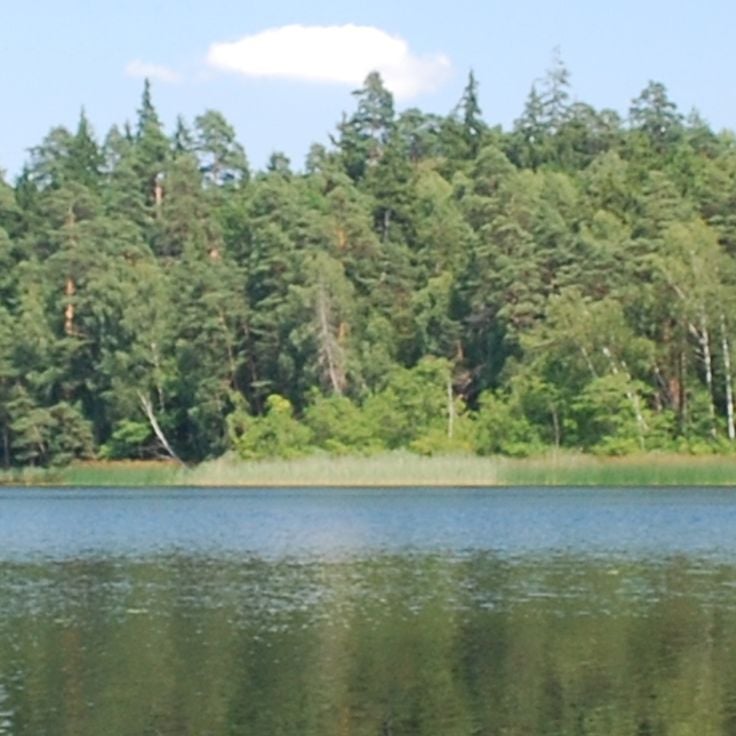
Wigry National Park in the Suwałki region combines lakes and forests into a landscape where water and trees define the scenery. The park spreads across several lakes surrounded by coniferous forests. Visitors can paddle, hike, or watch birds in their natural habitat. The park lies in Podlasie, the northern part of northeast Poland, where the land feels wilder and less populated than the nearby Mazurian region with its thousands of interconnected lakes.
Augustów sits at the edge of the lake region and serves as a starting point for kayaking and water exploration. The town opens onto lakes and waterways that flow through Podlasie. From here, visitors can paddle out in kayaks or take small boats along water routes that wind through forests and villages. The town itself has a relaxed character with docks and local businesses focused on water activities. It is a natural base for anyone wanting to experience the lakes and river landscapes of this region from the water.
Tykocin is a historical town in the Podlasie region where synagogues and castles tell stories of the past. The town reflects the cultural layers of many peoples who once lived here. Jewish, Lithuanian, and Belarusian traditions shaped its character. The streets are quiet, with old buildings standing alongside newer structures. Visitors come here to experience a place where history remains woven into daily life.
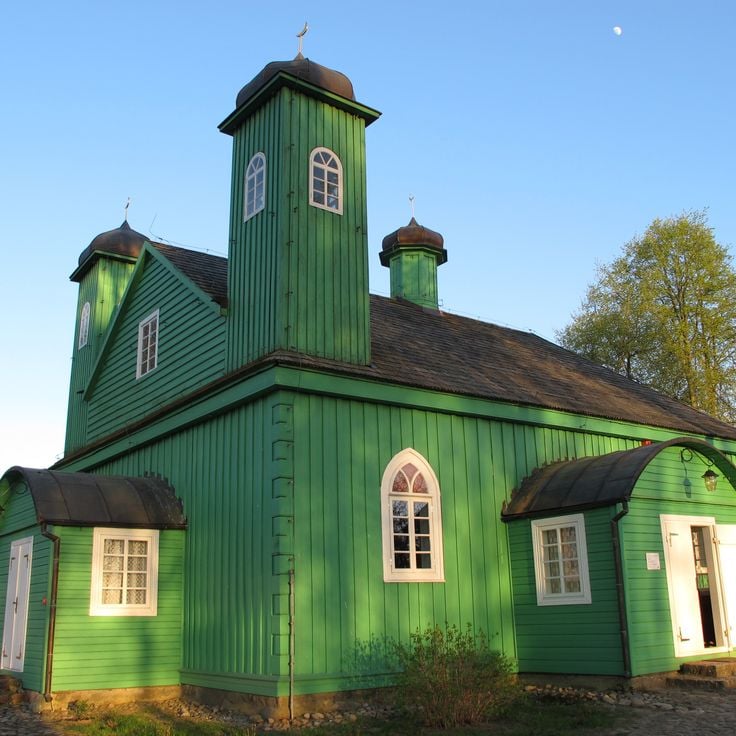
Kruszyniany is a small village in Podlasie that holds the story of the Lipka Tatars. The mosque here shows how Muslim communities have made their home in this region for centuries. The buildings tell of different religions and cultures living together in this forested corner of northeastern Poland. The village sits among the woods and lakes that define this territory, where nature takes up most of the space and human traces blend quietly into the landscape.
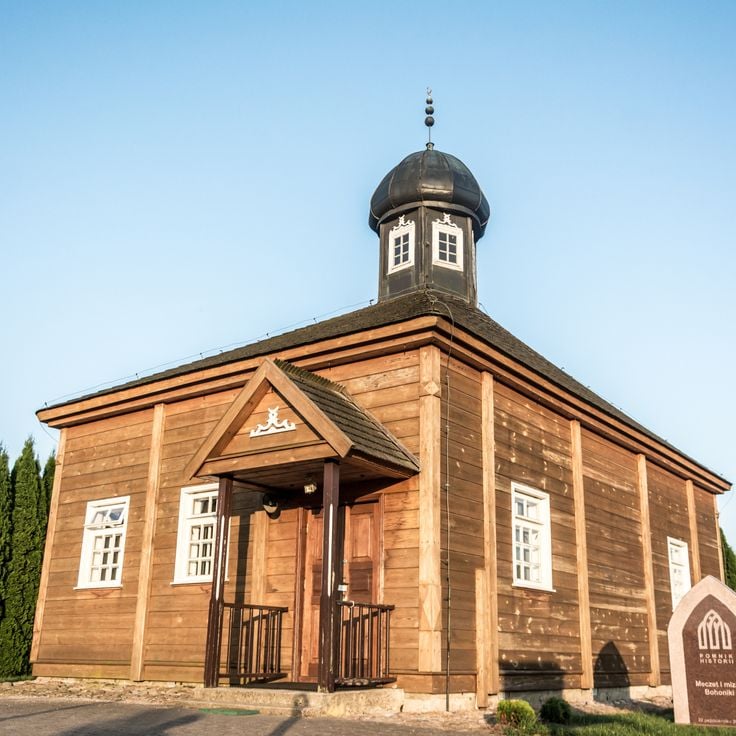
The village of Bohoniki sits in the Podlasie region and holds a rare piece of religious history. A mosque with Tatar roots stands among the houses, and a Muslim cemetery speaks to the long presence of Tatars in this area. The landscape around the village is forested, as it is throughout Podlasie, where the history of many peoples remains alive in its buildings and gravesites.
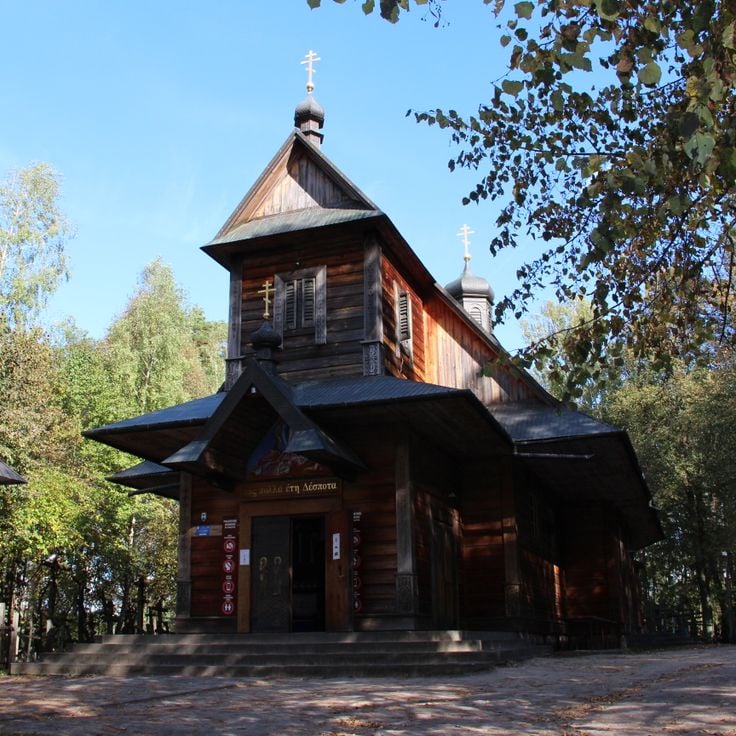
Grabarka mountain is a sacred Orthodox pilgrimage site in Podlasie, the forested region of northeastern Poland. A monastery and chapel stand on its summit, surrounded by crosses placed by pilgrims over centuries. The location sits in a wooded landscape where Orthodox traditions from Belarus and Lithuania remain alive. The mountain draws visitors on feast days, who climb the narrow paths and experience the history of this religious center.
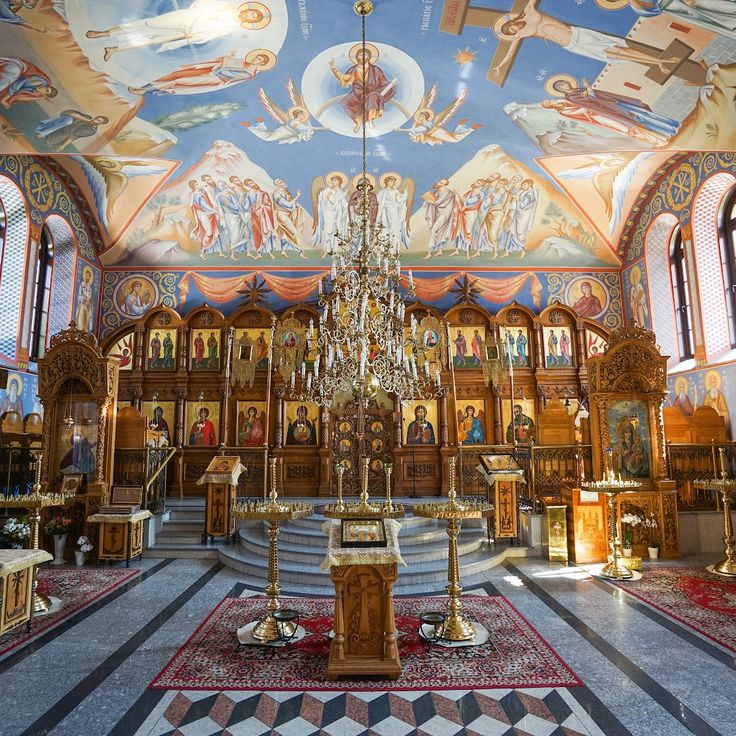
The Supraśl monastery in Podlasie represents the Orthodox heritage of northeastern Poland. The monastery complex houses a significant collection of icons that documents the religious art of this region. Wooden churches and Orthodox traditions shape this area, where Lithuanian and Belarusian influences remain visible today. Supraśl shows how human traces fit quietly into this forested landscape.
The landscape park of Suwałki sits in this border region between forest and lake. The park displays hills and lakes that shape the land. From various points you can look out over the landscape. Paths lead through forest and along shores. People walk here and sit on benches to enjoy the views. The park brings together the nature of Podlasie with places where you can stop and observe your surroundings.
Mrągowo is a lakeside town in Masuria where boats and water sports shape daily life. The town sits along several connected lakes and is known for its festivals that draw visitors from across the region. From here, travelers can easily reach other settlements by water and navigate between islands and villages, as is common throughout this lake-filled area. Mrągowo shows how people in Masuria build their lives around the water.
The Szlak Wielkich Jezior Mazurskich crosses the lake region of Masuria in northeastern Poland. This route connects thousands of lakes joined together by natural channels and human-made waterways. Sailors and kayakers navigate between lakes like Śniardwy, the largest lake in the country, and Mamry. Small towns along the route such as Giżycko, Mikołajki, and Ruciane-Nida organize their life around the arrival and departure of boats. The route also reaches the Łuknajno Reserve, where wild swans live among reeds and calm water.
Lake Śniardwy is the largest lake in Poland and sits in Masuria, a region with thousands of interconnected lakes in the country's northeast. Sailboats and kayakers navigate its waters between islands and villages such as Giżycko and Mikołajki. The shores are bordered by forests, and small towns shape the daily life of people whose routines follow the arrivals and departures of boats. The lake forms part of an extensive water system that runs through Masuria and draws visitors into a landscape where nature and human activity exist side by side.
Giżycko is the main water sports hub in the Mazuria region. The town sits where two large lakes connect, and it has long been a place where boats and travelers pass through. The old Boyen Fortress stands above the waterfront, marking the town's historical importance. Today, sailors, kayakers, and visitors come here to explore the lakes. The harbor fills with boats, and the streets are lined with restaurants, shops, and guest houses that rely on water sports and tourism. The town blends history and daily life along the water in a landscape of lakes and forests.
Pisz sits in the heart of Mazury, surrounded by large forests. The town itself is small and quiet, with lakes and trees all around. From here, visitors can explore the lake region or walk through the woods. The area is less developed than other parts of Mazury and offers space for nature and small villages.
Lake Mamry is one of the largest lakes in Mazury in northeastern Poland. The water spreads between forested shores and connects to other lakes through natural channels. Sailors and paddlers use this lake to travel from one village to the next. Small towns like Giżycko and Mikołajki sit along the shores, where life follows the rhythm of arriving and departing boats. The lake offers space for rowboats, sailboats, and kayaks that navigate between the bays and islands.
Lake Niegocin is located near Giżycko in Masuria, a region in northeastern Poland known for thousands of interconnected lakes. The lake features beaches and water sports where visitors can sail, kayak, or swim. The surrounding villages and towns, like Giżycko, follow the rhythm of arriving and departing boats. The lake forms part of a vast water maze nestled between forests and shorelines.
The Łuknajno Reserve sits in Mazury and protects one of Europe's largest wild swan colonies. The lake is surrounded by reeds and shallow water, creating a habitat where thousands of birds gather to breed and rest. The site holds UNESCO recognition and attracts ornithologists and travelers who come to watch birds in their natural setting. A visit can include boat trips across the water or walks along viewing platforms. The nearby town of Mikołajki provides easy access to the reserve.
The Wolf's Lair near Gierłoż was Adolf Hitler's main military headquarters during World War II. The compound sits hidden in the forest and consists of massive concrete bunkers buried deep underground. Military leaders and politicians met here to plan war operations. The site still shows heavy concrete structures and damage from the final days of the war, when the buildings were blown up. Visitors can walk through the ruins and explore the underground rooms where history took place.
Ruciane-Nida is a village on the Masuria lakes where daily life follows the rhythm of boats coming and going. The village sits at the edge of Pisz Forest and connects to waterways that wind between islands and other settlements. Sailors and kayakers pass through here regularly. The village itself is modest, with buildings that blend into the surrounding landscape.
The Krutynia Rivercamp sits near Krutyń in Mazury and provides access to a river known for kayaking and water expeditions. The river winds through forested terrain and connects small settlements along its banks. Paddlers travel between shores lined with old pine trees and watch birds fly overhead. The camp serves as a starting point for multi-day trips on the water. This part of Mazury is defined by waterways and forests, where the rhythm of local life follows the flow of rivers and lakes.
Boyen Fortress is a 19th-century fortification in Giżycko, a town in Mazury. It rises above the water systems of the region and stands between the shores of the large lakes. The fortress shows the military history of this area. It sits at a place where water and land meet, amid villages and waterways where sailboats and kayaks travel.
Mamerki is a complex of military bunkers located near Węgorzewo in Mazury. This fortification from the Second World War served as an important command post. The site sits within the lake-filled landscape of Mazury, surrounded by forests and waterways. Visitors can explore the underground passages and rooms to learn about this region's history during the war. The complex shows how military structures were built into the natural landscape of northeastern Poland.
Węgorzewo is a small lakeside town located in Masuria, positioned at the edge of one of the many lakes that define this region. The town serves as a gateway for exploring the interconnected waters that spread across the landscape. Boats and kayaks depart regularly from the docks, carrying visitors into the maze of lakes and waterways. The town's rhythm follows the coming and going of water traffic, with buildings clustered along the shores and a harbor that pulses with activity. For travelers seeking to navigate the lake network of Masuria, Węgorzewo offers a natural starting point.
The Elbląg Canal near Elblądg is a 19th-century engineering feat. It connects two rivers at different water levels using inclined planes where boats travel uphill and downhill like on rails. This design let ships overcome height differences without traditional locks. The canal runs through flat countryside with fields and trees. Today, small boats and tourists still use it to experience this historic transportation system.
Ełk is a town in the heart of Mazuria, where waterways shape daily life. The lakeside promenade offers places to walk and views over the water. The marina serves as a hub for boats and sailors traveling between islands and villages. The town works as a starting point for exploring the lakes and surrounding forests.
Mikolajki is a village on the edge of the Masurian Lakes where life revolves around water. The place has a harbor from which boats depart in every direction. Visitors can take sailing trips, paddle kayaks, or simply sit by the shore and watch the boats come and go. Houses stand close to the water, and everywhere you see people loading boats or heading out to the lake. The village is small enough to walk through in a short time, but filled with visitors who come for the water sports and boating.
The Branicki Palace in Białystok stands as one of Podlasie's most important buildings. This Baroque structure was built by the wealthy Branicki family and impresses with its facades, courtyards, and expansive gardens. The palace reflects the power and wealth of the noble families who ruled this region. Inside, visitors find grand staircases, rooms with decorated ceilings, and furnishings that speak to the life of Polish nobility. Today the palace welcomes visitors who want to understand the history of Podlasie through its architecture and rooms.
Lidzbark Warmiński sits in the Warmia region of northeastern Poland, surrounded by lakes and forests. The town centers on its gothic castle, built in the 14th century as the residence of prince-bishops. The castle stands on the river with its distinctive red tile roofs and towers. The old town spreads around the castle with narrow streets where craftspeople work and shops occupy historic buildings. The setting combines the town's medieval architecture with the natural landscape of the region: forests and waterways shape what you see as you move through the area.
Biebrza National Park in Podlasie protects a vast wetland where nature takes center stage. The park encompasses marshes, river valleys, and meadows that support elk, beavers, and hundreds of bird species. Visitors travel by boat or on foot through reed beds and open waters where cranes, eagles, and herons thrive. The Biebrza River shapes the landscape as it winds through flat terrain, creating a habitat where wildlife has room to flourish. This park represents one of Europe's most important natural areas for the species that depend on wetlands to survive.
Wigry Monastery sits on a lake in northeastern Poland where forests and water meet. Located in the Podlasie region, this baroque monastic complex rests at the water's edge, surrounded by the woodlands typical of this part of Poland. Visitors come to see the architecture and experience the quiet setting. Walking trails wind through the forest around the grounds, and from the lake itself, you can view the buildings from the water. The place reflects the history and landscape character of a region where nature and human traditions coexist.
Białowieża village sits at the edge of one of Europe's last primary forests. Houses line quiet streets, and from many points in the village you can see the forest. The Białowieża Forest extends across the border between Poland and Belarus. This forest is home to bison, lynx, and many other animals rarely found in other European forests. The village itself offers everything visitors need to explore the woodlands - guides, simple lodging, small restaurants. Many people come here to walk forest paths or watch wildlife. The village also preserves the culture of this border region, where different traditions meet.
Białowieża National Park is one of the last primary forests in Europe, located in the Podlasie region of northeastern Poland. This forest is home to European bison, wolves, lynxes, and many other animal species living in their natural state. Massive old trees create a dense woodland that extends across the border into Belarus. Visitors can walk on trails through the park and observe wildlife. A visitor center explains the forest's history and the animals that inhabit it. The park shows what Europe looked like before human settlement.
Białystok is the main city of Podlasie in northeastern Poland. It grew up around the Branicki Palace, a large building from the 18th century with surrounding gardens. Walking through the streets, you see plazas where people shop and meet. The city holds buildings from many different periods, from the Baroque era to today. Parks and green spaces run through the town, offering places to walk and rest. Białystok sits at a crossroads between the lake regions of Masuria and the forests of Podlasie. The city carries marks of its past, including churches of different faiths that show the cultural layers of this border region. Nature stays close here, and the human traces blend quietly into the landscape.
The Narew National Park in Podlasie shows a river that spreads into multiple channels across the landscape. Wooden boardwalks allow visitors to walk through the wetlands and forests without disturbing the habitat. Birds, beavers, and fish live in this braided river system where water and land meet. The banks shift between thick vegetation and open marshes. This park is part of a region known for its lakes, old forests, and small villages where nature takes up most of the space.
The Synagogue of Tykocin is a significant historical site and testimony to Jewish culture in Podlasie. This building stands in a region where the history of many peoples - Poles, Lithuanians, Belarusians, and Jews - are intertwined. The synagogue represents the presence and heritage of the Jewish community in northeastern Poland before its destruction during World War II. Today it serves as a place of remembrance and reflection on the past of these lands.
Lake Wigry near Suwałki is a large body of water surrounded by forests and fields. Visitors can take boat tours, swim at beaches, or walk along the shores. The lake sits in a natural setting and offers a peaceful place for swimming and boating. Several small villages lie along its edges.
Suwałki is a town in the Podlasie region and serves as a base for nature activities and boating in northeastern Poland. The town sits in an area with lakes and forests and provides access to the region's natural surroundings. From here, visitors can explore the surrounding waters and woodlands.
The Augustowski Canal is a historic waterway that crosses through the Podlasie landscape. Built over 200 years ago to support trade, this canal connects various lakes and rivers. Today, boats and kayaks travel through its waters, passing through locks that control the water level. The banks are lined with forests and fields. The canal forms part of the natural character of northeastern Poland, where water and nature shape daily life in the region.
Wigry National Park in the Suwałki region combines lakes and forests into a landscape where water and trees define the scenery. The park spreads across several lakes surrounded by coniferous forests. Visitors can paddle, hike, or watch birds in their natural habitat. The park lies in Podlasie, the northern part of northeast Poland, where the land feels wilder and less populated than the nearby Mazurian region with its thousands of interconnected lakes.
Augustów sits at the edge of the lake region and serves as a starting point for kayaking and water exploration. The town opens onto lakes and waterways that flow through Podlasie. From here, visitors can paddle out in kayaks or take small boats along water routes that wind through forests and villages. The town itself has a relaxed character with docks and local businesses focused on water activities. It is a natural base for anyone wanting to experience the lakes and river landscapes of this region from the water.
Tykocin is a historical town in the Podlasie region where synagogues and castles tell stories of the past. The town reflects the cultural layers of many peoples who once lived here. Jewish, Lithuanian, and Belarusian traditions shaped its character. The streets are quiet, with old buildings standing alongside newer structures. Visitors come here to experience a place where history remains woven into daily life.
Kruszyniany is a small village in Podlasie that holds the story of the Lipka Tatars. The mosque here shows how Muslim communities have made their home in this region for centuries. The buildings tell of different religions and cultures living together in this forested corner of northeastern Poland. The village sits among the woods and lakes that define this territory, where nature takes up most of the space and human traces blend quietly into the landscape.
The village of Bohoniki sits in the Podlasie region and holds a rare piece of religious history. A mosque with Tatar roots stands among the houses, and a Muslim cemetery speaks to the long presence of Tatars in this area. The landscape around the village is forested, as it is throughout Podlasie, where the history of many peoples remains alive in its buildings and gravesites.
Grabarka mountain is a sacred Orthodox pilgrimage site in Podlasie, the forested region of northeastern Poland. A monastery and chapel stand on its summit, surrounded by crosses placed by pilgrims over centuries. The location sits in a wooded landscape where Orthodox traditions from Belarus and Lithuania remain alive. The mountain draws visitors on feast days, who climb the narrow paths and experience the history of this religious center.
The Supraśl monastery in Podlasie represents the Orthodox heritage of northeastern Poland. The monastery complex houses a significant collection of icons that documents the religious art of this region. Wooden churches and Orthodox traditions shape this area, where Lithuanian and Belarusian influences remain visible today. Supraśl shows how human traces fit quietly into this forested landscape.
The landscape park of Suwałki sits in this border region between forest and lake. The park displays hills and lakes that shape the land. From various points you can look out over the landscape. Paths lead through forest and along shores. People walk here and sit on benches to enjoy the views. The park brings together the nature of Podlasie with places where you can stop and observe your surroundings.
Mrągowo is a lakeside town in Masuria where boats and water sports shape daily life. The town sits along several connected lakes and is known for its festivals that draw visitors from across the region. From here, travelers can easily reach other settlements by water and navigate between islands and villages, as is common throughout this lake-filled area. Mrągowo shows how people in Masuria build their lives around the water.
The Szlak Wielkich Jezior Mazurskich crosses the lake region of Masuria in northeastern Poland. This route connects thousands of lakes joined together by natural channels and human-made waterways. Sailors and kayakers navigate between lakes like Śniardwy, the largest lake in the country, and Mamry. Small towns along the route such as Giżycko, Mikołajki, and Ruciane-Nida organize their life around the arrival and departure of boats. The route also reaches the Łuknajno Reserve, where wild swans live among reeds and calm water.
Lake Śniardwy is the largest lake in Poland and sits in Masuria, a region with thousands of interconnected lakes in the country's northeast. Sailboats and kayakers navigate its waters between islands and villages such as Giżycko and Mikołajki. The shores are bordered by forests, and small towns shape the daily life of people whose routines follow the arrivals and departures of boats. The lake forms part of an extensive water system that runs through Masuria and draws visitors into a landscape where nature and human activity exist side by side.
Giżycko is the main water sports hub in the Mazuria region. The town sits where two large lakes connect, and it has long been a place where boats and travelers pass through. The old Boyen Fortress stands above the waterfront, marking the town's historical importance. Today, sailors, kayakers, and visitors come here to explore the lakes. The harbor fills with boats, and the streets are lined with restaurants, shops, and guest houses that rely on water sports and tourism. The town blends history and daily life along the water in a landscape of lakes and forests.
Pisz sits in the heart of Mazury, surrounded by large forests. The town itself is small and quiet, with lakes and trees all around. From here, visitors can explore the lake region or walk through the woods. The area is less developed than other parts of Mazury and offers space for nature and small villages.
Lake Mamry is one of the largest lakes in Mazury in northeastern Poland. The water spreads between forested shores and connects to other lakes through natural channels. Sailors and paddlers use this lake to travel from one village to the next. Small towns like Giżycko and Mikołajki sit along the shores, where life follows the rhythm of arriving and departing boats. The lake offers space for rowboats, sailboats, and kayaks that navigate between the bays and islands.
Lake Niegocin is located near Giżycko in Masuria, a region in northeastern Poland known for thousands of interconnected lakes. The lake features beaches and water sports where visitors can sail, kayak, or swim. The surrounding villages and towns, like Giżycko, follow the rhythm of arriving and departing boats. The lake forms part of a vast water maze nestled between forests and shorelines.
The Łuknajno Reserve sits in Mazury and protects one of Europe's largest wild swan colonies. The lake is surrounded by reeds and shallow water, creating a habitat where thousands of birds gather to breed and rest. The site holds UNESCO recognition and attracts ornithologists and travelers who come to watch birds in their natural setting. A visit can include boat trips across the water or walks along viewing platforms. The nearby town of Mikołajki provides easy access to the reserve.
The Wolf's Lair near Gierłoż was Adolf Hitler's main military headquarters during World War II. The compound sits hidden in the forest and consists of massive concrete bunkers buried deep underground. Military leaders and politicians met here to plan war operations. The site still shows heavy concrete structures and damage from the final days of the war, when the buildings were blown up. Visitors can walk through the ruins and explore the underground rooms where history took place.
Ruciane-Nida is a village on the Masuria lakes where daily life follows the rhythm of boats coming and going. The village sits at the edge of Pisz Forest and connects to waterways that wind between islands and other settlements. Sailors and kayakers pass through here regularly. The village itself is modest, with buildings that blend into the surrounding landscape.
The Krutynia Rivercamp sits near Krutyń in Mazury and provides access to a river known for kayaking and water expeditions. The river winds through forested terrain and connects small settlements along its banks. Paddlers travel between shores lined with old pine trees and watch birds fly overhead. The camp serves as a starting point for multi-day trips on the water. This part of Mazury is defined by waterways and forests, where the rhythm of local life follows the flow of rivers and lakes.
Boyen Fortress is a 19th-century fortification in Giżycko, a town in Mazury. It rises above the water systems of the region and stands between the shores of the large lakes. The fortress shows the military history of this area. It sits at a place where water and land meet, amid villages and waterways where sailboats and kayaks travel.
Mamerki is a complex of military bunkers located near Węgorzewo in Mazury. This fortification from the Second World War served as an important command post. The site sits within the lake-filled landscape of Mazury, surrounded by forests and waterways. Visitors can explore the underground passages and rooms to learn about this region's history during the war. The complex shows how military structures were built into the natural landscape of northeastern Poland.
Węgorzewo is a small lakeside town located in Masuria, positioned at the edge of one of the many lakes that define this region. The town serves as a gateway for exploring the interconnected waters that spread across the landscape. Boats and kayaks depart regularly from the docks, carrying visitors into the maze of lakes and waterways. The town's rhythm follows the coming and going of water traffic, with buildings clustered along the shores and a harbor that pulses with activity. For travelers seeking to navigate the lake network of Masuria, Węgorzewo offers a natural starting point.
The Elbląg Canal near Elblądg is a 19th-century engineering feat. It connects two rivers at different water levels using inclined planes where boats travel uphill and downhill like on rails. This design let ships overcome height differences without traditional locks. The canal runs through flat countryside with fields and trees. Today, small boats and tourists still use it to experience this historic transportation system.
Ełk is a town in the heart of Mazuria, where waterways shape daily life. The lakeside promenade offers places to walk and views over the water. The marina serves as a hub for boats and sailors traveling between islands and villages. The town works as a starting point for exploring the lakes and surrounding forests.
Mikolajki is a village on the edge of the Masurian Lakes where life revolves around water. The place has a harbor from which boats depart in every direction. Visitors can take sailing trips, paddle kayaks, or simply sit by the shore and watch the boats come and go. Houses stand close to the water, and everywhere you see people loading boats or heading out to the lake. The village is small enough to walk through in a short time, but filled with visitors who come for the water sports and boating.
The Branicki Palace in Białystok stands as one of Podlasie's most important buildings. This Baroque structure was built by the wealthy Branicki family and impresses with its facades, courtyards, and expansive gardens. The palace reflects the power and wealth of the noble families who ruled this region. Inside, visitors find grand staircases, rooms with decorated ceilings, and furnishings that speak to the life of Polish nobility. Today the palace welcomes visitors who want to understand the history of Podlasie through its architecture and rooms.
Lidzbark Warmiński sits in the Warmia region of northeastern Poland, surrounded by lakes and forests. The town centers on its gothic castle, built in the 14th century as the residence of prince-bishops. The castle stands on the river with its distinctive red tile roofs and towers. The old town spreads around the castle with narrow streets where craftspeople work and shops occupy historic buildings. The setting combines the town's medieval architecture with the natural landscape of the region: forests and waterways shape what you see as you move through the area.
Biebrza National Park in Podlasie protects a vast wetland where nature takes center stage. The park encompasses marshes, river valleys, and meadows that support elk, beavers, and hundreds of bird species. Visitors travel by boat or on foot through reed beds and open waters where cranes, eagles, and herons thrive. The Biebrza River shapes the landscape as it winds through flat terrain, creating a habitat where wildlife has room to flourish. This park represents one of Europe's most important natural areas for the species that depend on wetlands to survive.
Wigry Monastery sits on a lake in northeastern Poland where forests and water meet. Located in the Podlasie region, this baroque monastic complex rests at the water's edge, surrounded by the woodlands typical of this part of Poland. Visitors come to see the architecture and experience the quiet setting. Walking trails wind through the forest around the grounds, and from the lake itself, you can view the buildings from the water. The place reflects the history and landscape character of a region where nature and human traditions coexist.
Białowieża village sits at the edge of one of Europe's last primary forests. Houses line quiet streets, and from many points in the village you can see the forest. The Białowieża Forest extends across the border between Poland and Belarus. This forest is home to bison, lynx, and many other animals rarely found in other European forests. The village itself offers everything visitors need to explore the woodlands - guides, simple lodging, small restaurants. Many people come here to walk forest paths or watch wildlife. The village also preserves the culture of this border region, where different traditions meet.
Białowieża National Park is one of the last primary forests in Europe, located in the Podlasie region of northeastern Poland. This forest is home to European bison, wolves, lynxes, and many other animal species living in their natural state. Massive old trees create a dense woodland that extends across the border into Belarus. Visitors can walk on trails through the park and observe wildlife. A visitor center explains the forest's history and the animals that inhabit it. The park shows what Europe looked like before human settlement.
Białystok is the main city of Podlasie in northeastern Poland. It grew up around the Branicki Palace, a large building from the 18th century with surrounding gardens. Walking through the streets, you see plazas where people shop and meet. The city holds buildings from many different periods, from the Baroque era to today. Parks and green spaces run through the town, offering places to walk and rest. Białystok sits at a crossroads between the lake regions of Masuria and the forests of Podlasie. The city carries marks of its past, including churches of different faiths that show the cultural layers of this border region. Nature stays close here, and the human traces blend quietly into the landscape.
The Narew National Park in Podlasie shows a river that spreads into multiple channels across the landscape. Wooden boardwalks allow visitors to walk through the wetlands and forests without disturbing the habitat. Birds, beavers, and fish live in this braided river system where water and land meet. The banks shift between thick vegetation and open marshes. This park is part of a region known for its lakes, old forests, and small villages where nature takes up most of the space.
The Synagogue of Tykocin is a significant historical site and testimony to Jewish culture in Podlasie. This building stands in a region where the history of many peoples - Poles, Lithuanians, Belarusians, and Jews - are intertwined. The synagogue represents the presence and heritage of the Jewish community in northeastern Poland before its destruction during World War II. Today it serves as a place of remembrance and reflection on the past of these lands.
Lake Wigry near Suwałki is a large body of water surrounded by forests and fields. Visitors can take boat tours, swim at beaches, or walk along the shores. The lake sits in a natural setting and offers a peaceful place for swimming and boating. Several small villages lie along its edges.
Suwałki is a town in the Podlasie region and serves as a base for nature activities and boating in northeastern Poland. The town sits in an area with lakes and forests and provides access to the region's natural surroundings. From here, visitors can explore the surrounding waters and woodlands.
The Augustowski Canal is a historic waterway that crosses through the Podlasie landscape. Built over 200 years ago to support trade, this canal connects various lakes and rivers. Today, boats and kayaks travel through its waters, passing through locks that control the water level. The banks are lined with forests and fields. The canal forms part of the natural character of northeastern Poland, where water and nature shape daily life in the region.
Wigry National Park in the Suwałki region combines lakes and forests into a landscape where water and trees define the scenery. The park spreads across several lakes surrounded by coniferous forests. Visitors can paddle, hike, or watch birds in their natural habitat. The park lies in Podlasie, the northern part of northeast Poland, where the land feels wilder and less populated than the nearby Mazurian region with its thousands of interconnected lakes.
Augustów sits at the edge of the lake region and serves as a starting point for kayaking and water exploration. The town opens onto lakes and waterways that flow through Podlasie. From here, visitors can paddle out in kayaks or take small boats along water routes that wind through forests and villages. The town itself has a relaxed character with docks and local businesses focused on water activities. It is a natural base for anyone wanting to experience the lakes and river landscapes of this region from the water.
Tykocin is a historical town in the Podlasie region where synagogues and castles tell stories of the past. The town reflects the cultural layers of many peoples who once lived here. Jewish, Lithuanian, and Belarusian traditions shaped its character. The streets are quiet, with old buildings standing alongside newer structures. Visitors come here to experience a place where history remains woven into daily life.
Kruszyniany is a small village in Podlasie that holds the story of the Lipka Tatars. The mosque here shows how Muslim communities have made their home in this region for centuries. The buildings tell of different religions and cultures living together in this forested corner of northeastern Poland. The village sits among the woods and lakes that define this territory, where nature takes up most of the space and human traces blend quietly into the landscape.
The village of Bohoniki sits in the Podlasie region and holds a rare piece of religious history. A mosque with Tatar roots stands among the houses, and a Muslim cemetery speaks to the long presence of Tatars in this area. The landscape around the village is forested, as it is throughout Podlasie, where the history of many peoples remains alive in its buildings and gravesites.
Grabarka mountain is a sacred Orthodox pilgrimage site in Podlasie, the forested region of northeastern Poland. A monastery and chapel stand on its summit, surrounded by crosses placed by pilgrims over centuries. The location sits in a wooded landscape where Orthodox traditions from Belarus and Lithuania remain alive. The mountain draws visitors on feast days, who climb the narrow paths and experience the history of this religious center.
The Supraśl monastery in Podlasie represents the Orthodox heritage of northeastern Poland. The monastery complex houses a significant collection of icons that documents the religious art of this region. Wooden churches and Orthodox traditions shape this area, where Lithuanian and Belarusian influences remain visible today. Supraśl shows how human traces fit quietly into this forested landscape.
The landscape park of Suwałki sits in this border region between forest and lake. The park displays hills and lakes that shape the land. From various points you can look out over the landscape. Paths lead through forest and along shores. People walk here and sit on benches to enjoy the views. The park brings together the nature of Podlasie with places where you can stop and observe your surroundings.