Blizne, Historic village in Subcarpathian Voivodeship, Poland
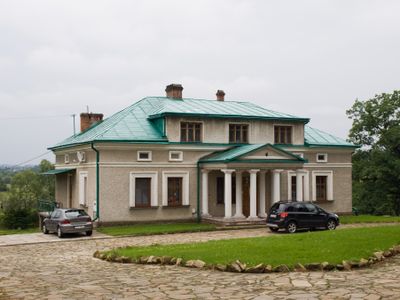
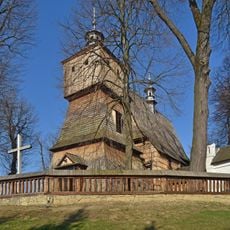
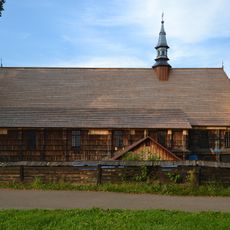
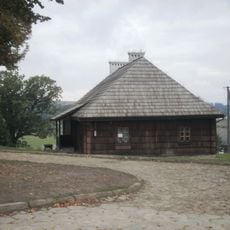
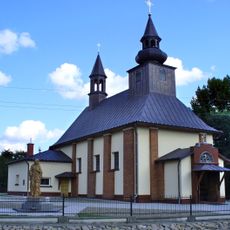
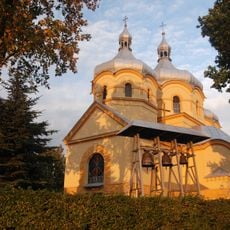
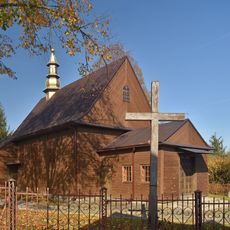
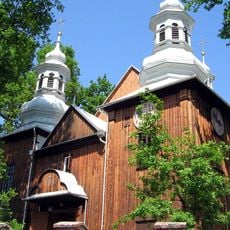
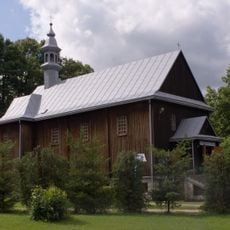
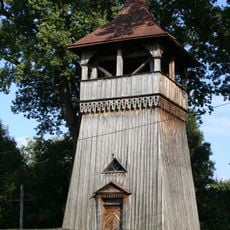
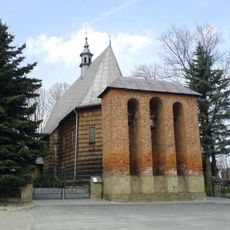
Blizne is a small village in the Subcarpathian region of southeastern Poland, located within Gmina Jasienica Rosielna on gently rolling farmland. It is best known for its 15th-century Gothic wooden church, which sits on a slight rise above the scattered farms and houses of the settlement.
The village grew as a farming settlement and its Gothic church was built in the 15th century, pointing to a well-established community by that time. During the Second World War, the surrounding area was used by the Germans as a testing ground for the V-2 rocket, bringing Blizne unexpected attention far beyond the region.
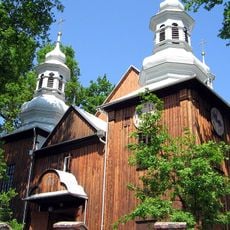
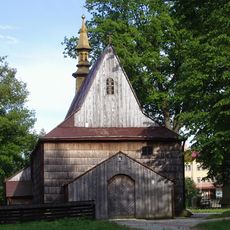
The Church of All Saints, built in the 15th century, is one of the finest examples of Gothic wooden church architecture in Poland and is listed as a UNESCO World Heritage Site. Visitors can step inside to see painted walls, a carved wooden ceiling, and medieval furnishings that have survived in place for centuries.
The village is reached by road and sits close to Jasienica Rosielna, making it easy to reach by car from nearby towns. A visit to the church is most rewarding when you check in advance that it is open, as access can be limited outside of scheduled times.
During the German rocket tests, local villagers secretly collected wreckage from crashed V-2s and passed technical details to British intelligence. This contribution helped the Allies understand the V-2 earlier than expected, yet almost no trace of this story remains visible in the village today.
The community of curious travelers
AroundUs brings together thousands of curated places, local tips, and hidden gems, enriched daily by 92,748 contributors worldwide.