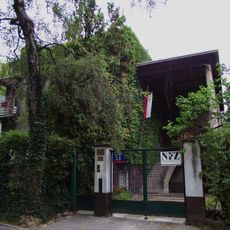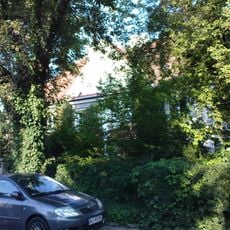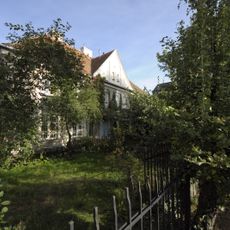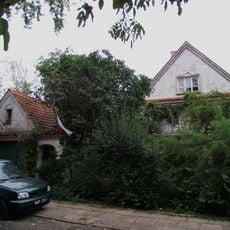
Old Żoliborz, Residential district in northern Warsaw, Poland
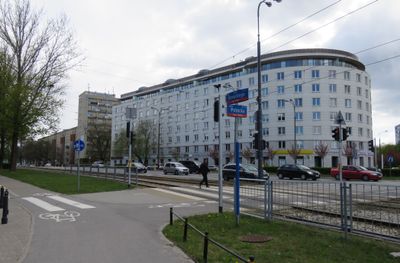
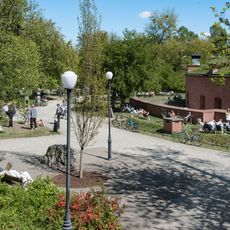
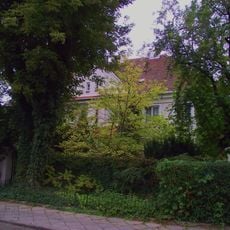
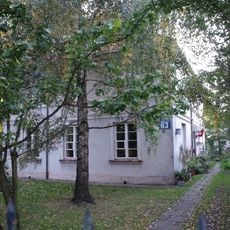
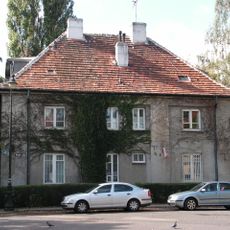
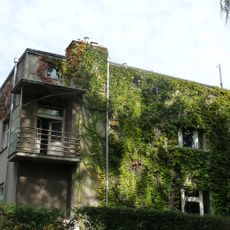
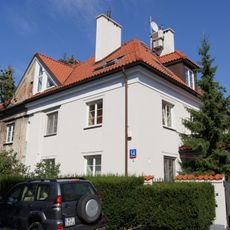
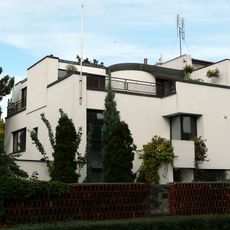
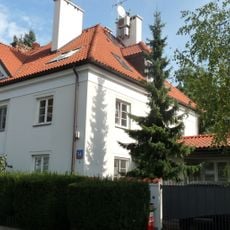
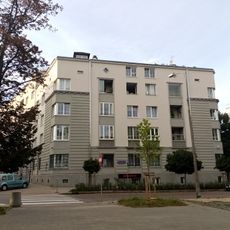
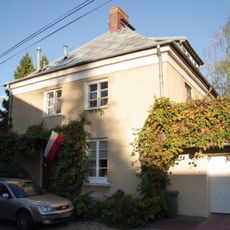
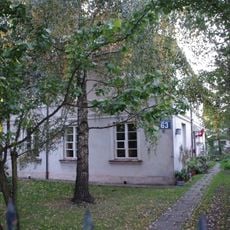
Old Żoliborz is a residential neighborhood in northern Warsaw featuring modernist villas and apartment buildings constructed during the 1920s and 1930s. The district is organized around several parks, including Żeromskiego Park and Kępa Potocka, which are woven throughout the carefully planned streets.
The neighborhood developed after World War I when military lands became available for residential construction to house civil servants, journalists, and military officers. This planned expansion established the area as one of Poland's early examples of modernist urban development.
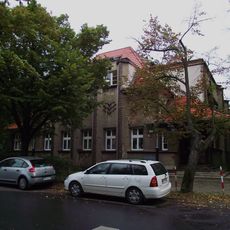
The neighborhood's three distinct areas were built for officers, journalists, and civil servants, each with its own architectural character that still shapes how streets feel today. Walking through each section, you notice how the buildings and street layouts reflect the professional communities they once housed.
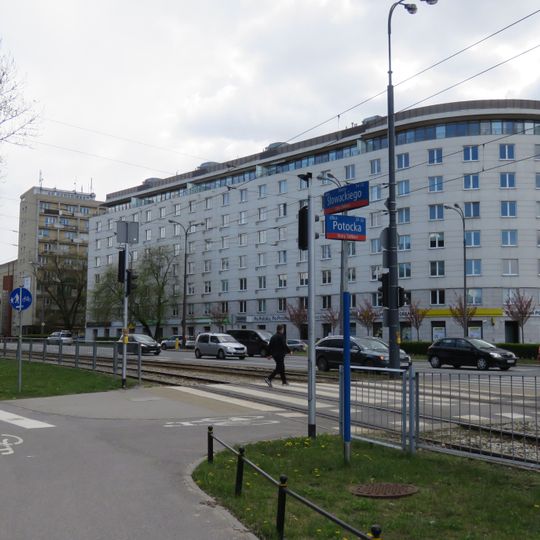
The neighborhood connects to central Warsaw through Wilson Square metro station, making it easily accessible by public transit. The streets feature numerous shops, cafes, and restaurants mixed with green spaces, making it comfortable to explore on foot at a leisurely pace.
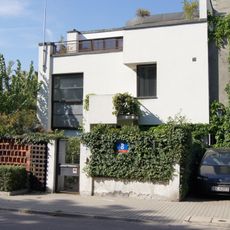
Villa Brukalskich, built in 1928 on Wieniawskiego Street, is one of Poland's earliest examples of avant-garde architecture standing amid more conventional homes. Its boldly modern design stands out sharply from the traditional residences surrounding it and reflects the experimental spirit of that era.
The community of curious travelers
AroundUs brings together thousands of curated places, local tips, and hidden gems, enriched daily by 91,421 contributors worldwide.