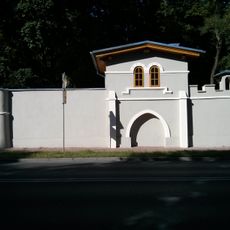
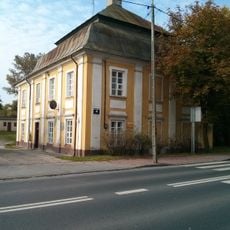
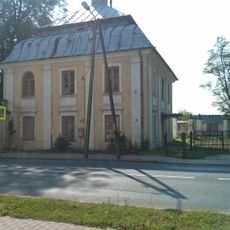
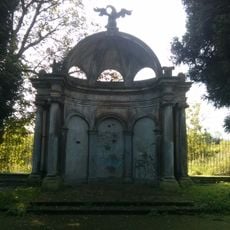
Muzeum Zagłębia Staropolskiego w Sielpi, Industrial heritage museum in Sielpia Wielka, Poland.
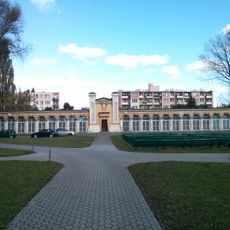
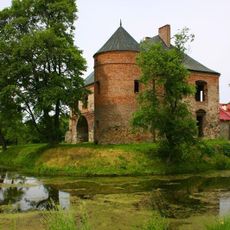
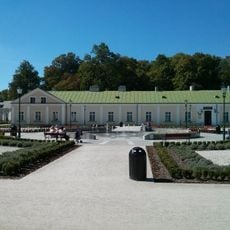
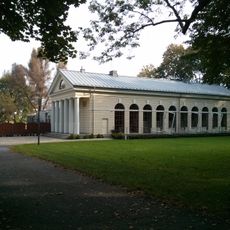
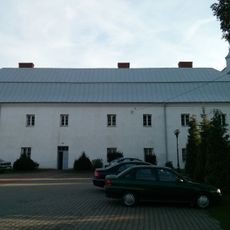
The Muzeum Zagłębia Staropolskiego w Sielpi occupies a former metallurgical factory with puddling furnaces and rolling equipment from the 1800s. The buildings and machinery demonstrate how iron and steel were produced on this site.
The plant was set up between 1821 and 1841 on the initiative of Stanisław Staszic and Ksawery Drucki-Lubecki, financed by the Bank of Poland, and produced about 3,000 tons of steel goods a year. Running on charcoal, it declined late in the 19th century and closed in 1921. It became a museum in 1934; German forces looted 72 wagonloads of iron and equipment during World War II, and after renovation in 1956–1959 it reopened in 1962 as a branch of the Warsaw museum.
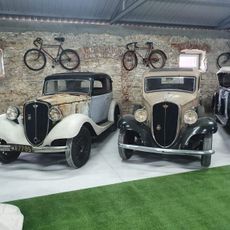
The collection displays tools and machinery that shaped working life in the region. Visitors can see how people in this area engaged with metalwork across generations.
The site includes both indoor exhibitions and outdoor areas with large machines and installations. Visitors should wear comfortable shoes since you walk between different buildings.
The 8-metre water wheel on display was built to a design by French engineer Philippe de Girard, not a Swiss one. The outdoor exhibition also includes a water wheel and hammer from a 16th-century forge.
The community of curious travelers
AroundUs brings together thousands of curated places, local tips, and hidden gems, enriched daily by 94,700 contributors worldwide.