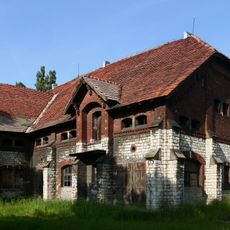
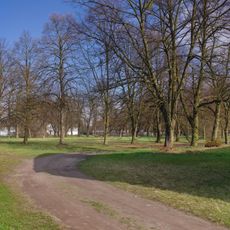
Park in Świerklaniec, Castle park in Świerklaniec, Poland
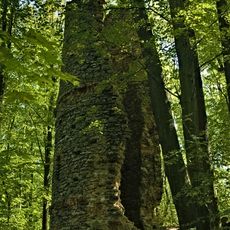
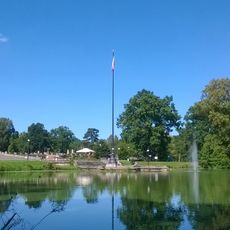
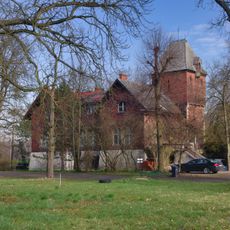
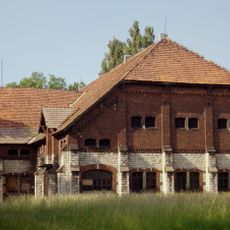
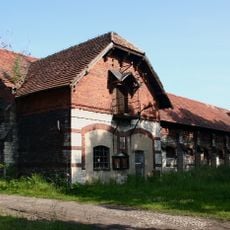
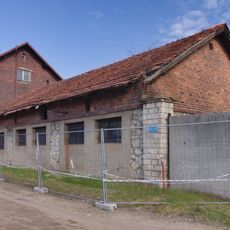
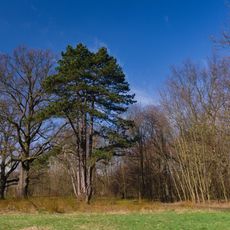
The Park in Świerklaniec is a sprawling green space next to a lake, threaded with pathways and shaded by century-old oaks, pines, and chestnut trees. The mature trees and water views are central to how the grounds look and how people move through them.
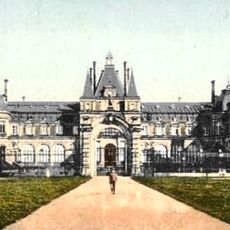
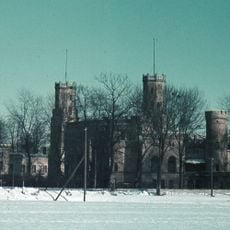
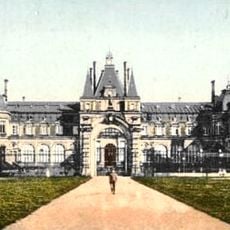
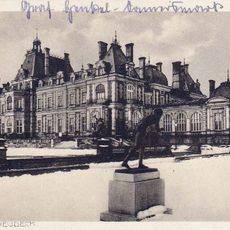
The park began as a garden by the old castle around 1670–1680 and became a landscape park in the 18th century. In the 19th century Guido Henckel von Donnersmarck commissioned designs attributed to Peter Joseph Lenné, continued from 1865 by Gustav Meyer. The Donnersmarck palace, built 1868–1875, was looted and burned in 1945 and its ruins removed in the 1960s.
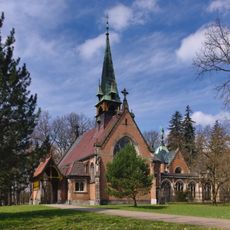
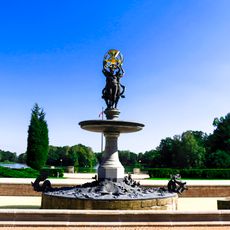
The park's name comes from the village of Świerklaniec, and its grounds hold the park church of 1896–1897 by Julius Carl Raschdorff, to which a family mausoleum was added in the early 20th century. The sculptor groups and fountains that survive stood around the Donnersmarck palace, burned in 1945.
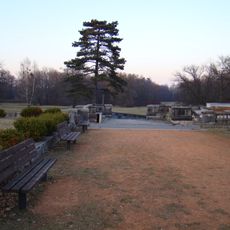
The park lies in the Brynica valley in the south-east of Świerklaniec, bounded west by Parkowa Street and east by the Kozłowa Góra reservoir. Paths follow a flowing layout through meadows and tree groups, with the former palace terraces, basins and fountain at the centre. The grounds are public and open to walkers.
The palace was built in a horseshoe plan with a central bay holding a ceremonial hall and staircase, plus wings containing a rose garden and a palm house. After the 1945 fire, some of its stonework was reused in the Palace of Culture of Zagłębie in Dąbrowa Górnicza.
The community of curious travelers
AroundUs brings together thousands of curated places, local tips, and hidden gems, enriched daily by 93,972 contributors worldwide.