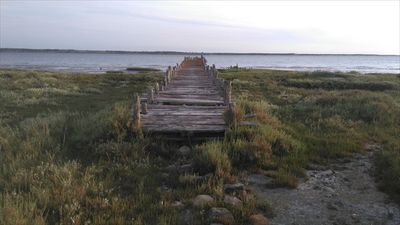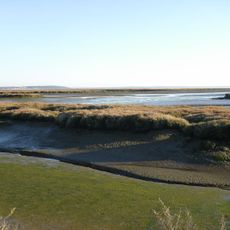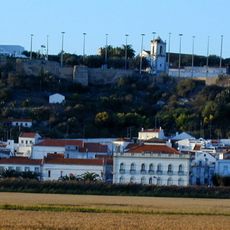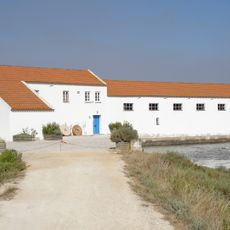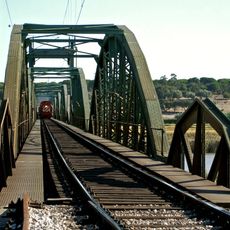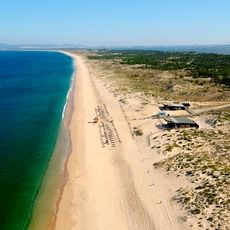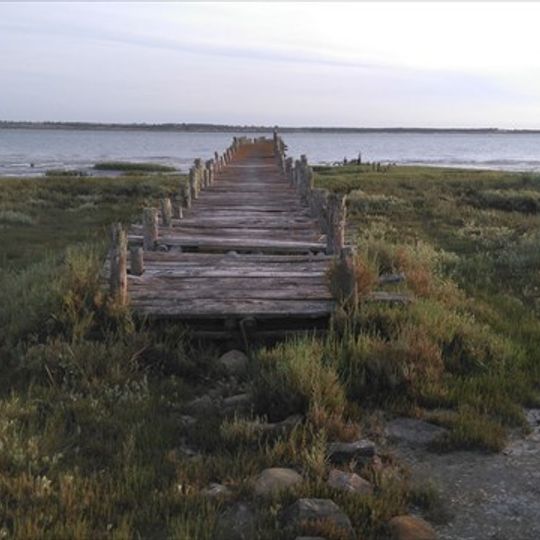
Núcleos do Sítio Arqueológico de Abul, Archaeological site in Alcácer do Sal, Portugal.
Nucleos do Sitio Arqueologico de Abul is an excavation site near Alcacer do Sal containing the remains of walls, warehouses, and residences from ancient times. The structures date from different periods and show how the location was occupied and used across several centuries.
The settlement began in the 7th century BC as a Phoenician trading post and became one of the first known outposts of this culture on Europe's Atlantic coast. Later, Romans took over the area and introduced industrial production and craftsmanship.
The site reveals how Phoenician traders and local people exchanged goods and ideas through the remains left behind. Visitors can see physical evidence of this ancient commerce reflected in the artifacts and building layouts discovered here.
The site sits within a protected natural reserve, so visitors need to arrange access through local authorities before coming. Bring comfortable walking shoes and weather-appropriate clothing, as the ground can be damp and uneven in places.
Three Roman kilns from the 1st to 3rd century still stand on the grounds, showing how the place transformed from a trading post into a production center. These ovens were used to fire pottery and other goods that were then distributed to other regions.
The community of curious travelers
AroundUs brings together thousands of curated places, local tips, and hidden gems, enriched daily by 91,140 contributors worldwide.