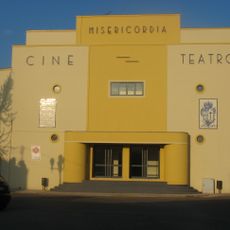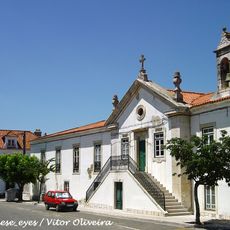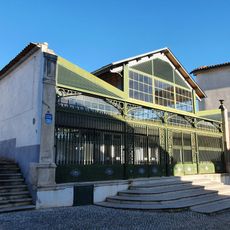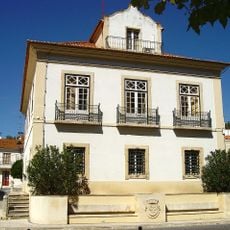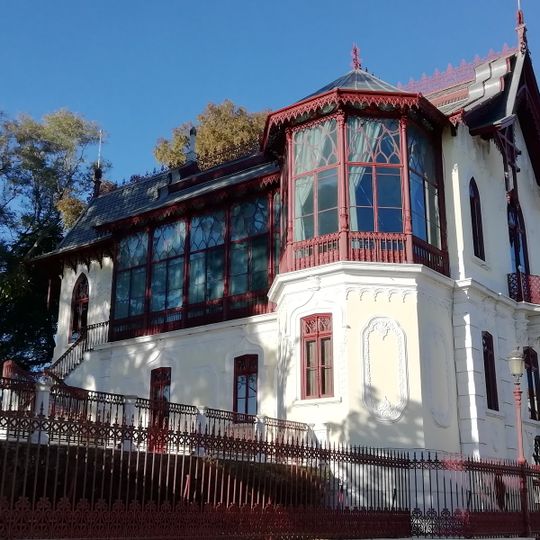
Golegã, civil parish in Golegã
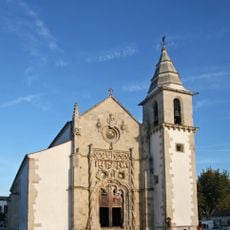
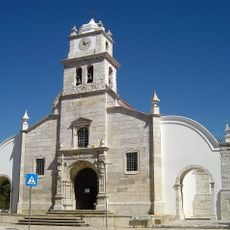
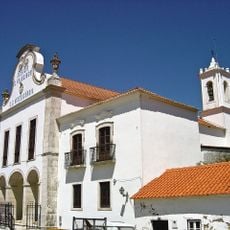
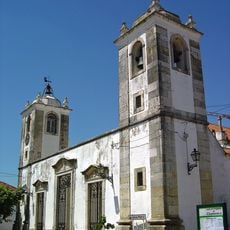
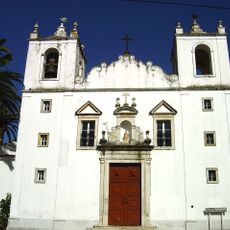
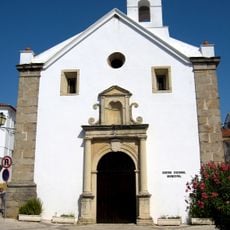
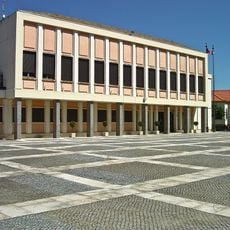
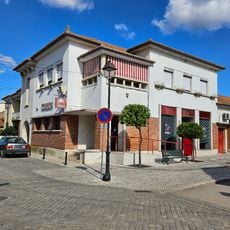
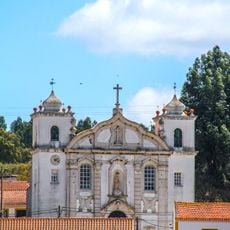
Golegã is a small town in the Lezíria do Tejo region in the district of Santarém, nestled between the Tagus and Almonda rivers in fertile farmland. The town center features narrow streets, traditional stone buildings, and landmarks such as the Igreja Matriz from the 16th century with its elaborate Manueline stonework and ribbed vaulted ceilings.
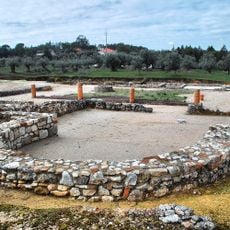
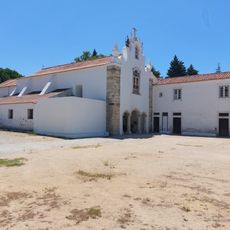
After the Christian Reconquest, the land was granted to the Order of the Temple in the 12th century, who used it for farming and built the fortified Quinta da Cardiga with its tower. The town was officially chartered as a town in 1535 under King João III, eventually taking the name Golegã after evolving through earlier names like Venda da Galega and Vila da Galega.
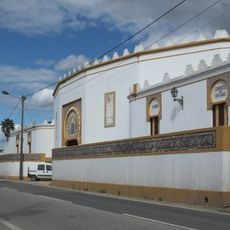
The town takes its name from an old inn called Venda da Galega (Galician Inn), which served travelers on a road between Tomar and Santarém and eventually grew into a settlement. Today it remains a hub for horse breeding and horsemanship, with locals using traditional methods to care for their animals and celebrating this heritage during the November festivals.
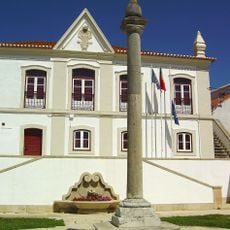
The best way to explore Golegã is on foot through the narrow old streets and past landmarks like the Pillory and the Parish Church. The ideal time to visit is November during the major horse fairs, but outside these periods the town remains quiet and good for peaceful walks and viewing historical sites.
Golegã was home to several notable Portuguese figures: José Relvas served as prime minister, Carlos Relvas was a renowned 19th-century photographer, and writer José Saramago had roots here before winning the Nobel Prize in Literature. These artistic and political connections reveal that this small town produced talents who left their mark on Portugal and beyond.
The community of curious travelers
AroundUs brings together thousands of curated places, local tips, and hidden gems, enriched daily by 90,739 contributors worldwide.