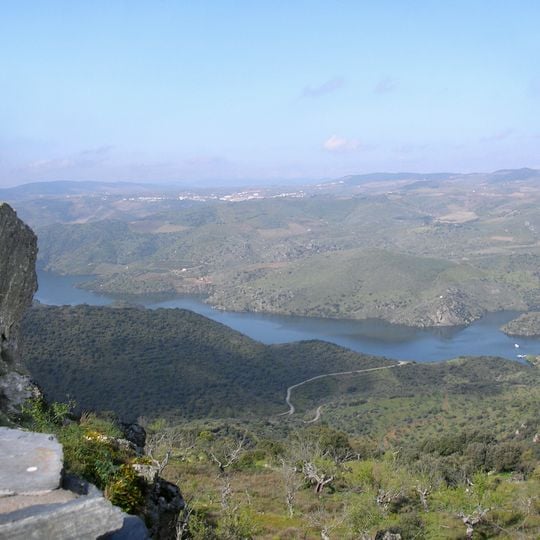
Iberian Plateau, Geographic plateau in central Spain and Portugal
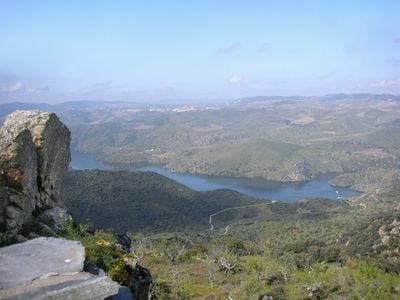
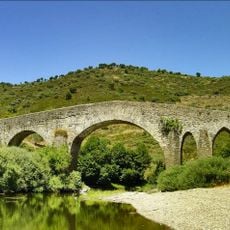
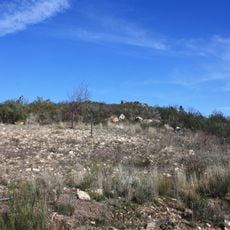
The Iberian Plateau is a large highland spanning central Spain and Portugal, divided into northern and southern sections with different climate conditions. The landscape consists of open fields, olive groves, and vineyards interspersed with rolling hills and river valleys.
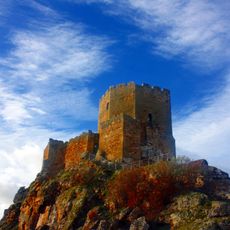
During Roman times, the plateau served as a key territory where ancient roads linked settlements and enabled trade across the Iberian Peninsula. Medieval expansion later shaped the region as kingdoms competed for control of these agriculturally important lands.
Traditional farming shapes how people live across the plateau, with wheat, grapes, and olives grown using methods passed down through families. Local food and seasonal celebrations reflect this deep connection to the land and its rhythms.
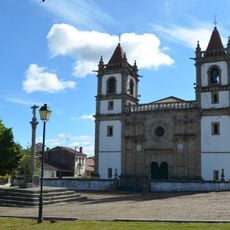
The region is well connected by highways linking Madrid to smaller towns, with accommodations available throughout various settlements. Spring and autumn are ideal times to visit, when temperatures are more pleasant for exploring the open countryside.
The plateau functions as a natural water reservoir, giving rise to major rivers like the Tagus and Douro that flow westward through Spain and Portugal. These rivers also supply significant dams that provide water for millions of people downstream.
The community of curious travelers
AroundUs brings together thousands of curated places, local tips, and hidden gems, enriched daily by 91,264 contributors worldwide.