Roman villa of Freiria, ancient Roman villa in Portugal
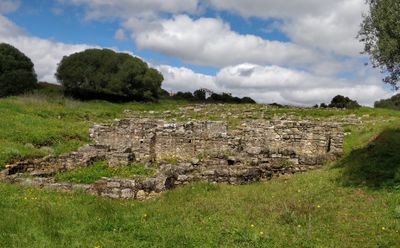
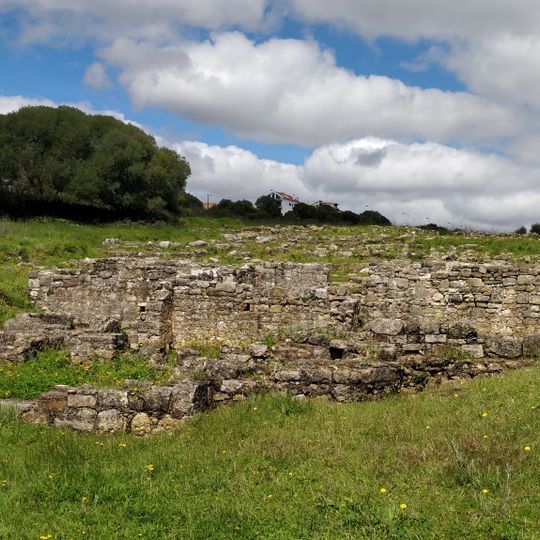
The Roman villa of Freiria is an archaeological site in São Domingos de Rana with remains of ancient buildings that visitors explore via a raised walkway. The ruins reveal the layout of the main house with its central courtyard, bathing facilities, a grain storehouse, olive press structures, and decorated floors with geometric mosaics.
The site was inhabited from the Neolithic period through the early Middle Ages, but the Roman villa was primarily built in the 2nd century. After initial recognition around 1912, systematic excavations beginning in the 1970s and continuing between 1985 and 2002 uncovered the main structures and many objects from daily life.
The villa shows traces of a way of life that spanned centuries, with different cultures using this place from early settlements through the Roman period. The finds like game pieces made from bone and glass suggest that the wealthy inhabitants enjoyed leisure and surrounded themselves with beautiful objects.
The site is freely accessible during daytime hours and can be explored independently with signage in Portuguese and English guiding your way. A walk around the ruins via the raised pathway takes about 30 minutes, with small models and reconstructions along the route showing how the buildings once appeared.
The site contains one of the most complete Roman olive presses found in Portugal, with basins for collecting oil and space for multiple producers. This installation reveals that olive oil production was a major industry employing many people in the area and shaping their economy.
The community of curious travelers
AroundUs brings together thousands of curated places, local tips, and hidden gems, enriched daily by 92,322 contributors worldwide.