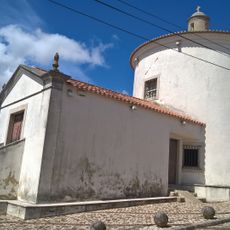
Castro de Leceia, Archaeological site in Barcarena, Portugal.
Castro de Leceia is an archaeological site in Barcarena featuring the remains of a prehistoric settlement surrounded by defensive walls made from local limestone. The site contains multiple excavation areas that reveal the foundations of ancient dwellings and various working spaces.
The site was occupied from the late Neolithic, with circular houses built between the late 4th and early 3rd millennium BCE. Between 2900 and 2800 BCE three lines of limestone walls with towered entrances were raised. The middle Chalcolithic brought copper metallurgy and the settlement's economic peak, before abandonment at the end of the Chalcolithic.
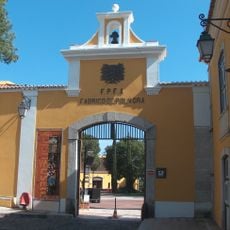
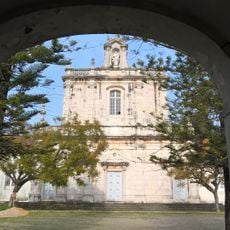
The site's name comes from the Leceia locality in Barcarena. Excavations have yielded bell beakers decorated with acacia leaf motifs, copper fish hooks and loom weights, showing that textile work and fishing were part of daily life. A permanent exhibition at the Fábrica da Pólvora de Barcarena, two kilometres away, displays a model of the settlement and the objects found there.
The site is accessible and allows visitors to explore the excavated areas directly. Guided tours can be arranged through the local municipality for a deeper understanding of the discoveries and how people lived there.
A nearby museum displays a detailed model of the ancient settlement along with original objects from the site that illustrate daily life. These artifacts help visitors picture what daily routines looked like thousands of years ago in this place.
The community of curious travelers
AroundUs brings together thousands of curated places, local tips, and hidden gems, enriched daily by 93,146 contributors worldwide.