Carei, city in Satu Mare County, Romania
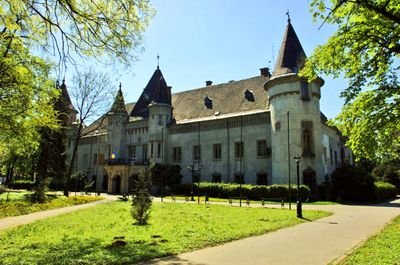
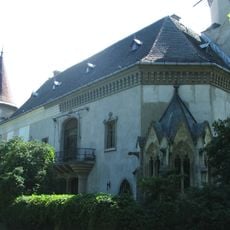
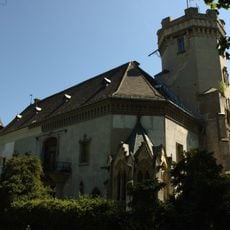
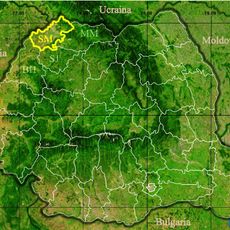
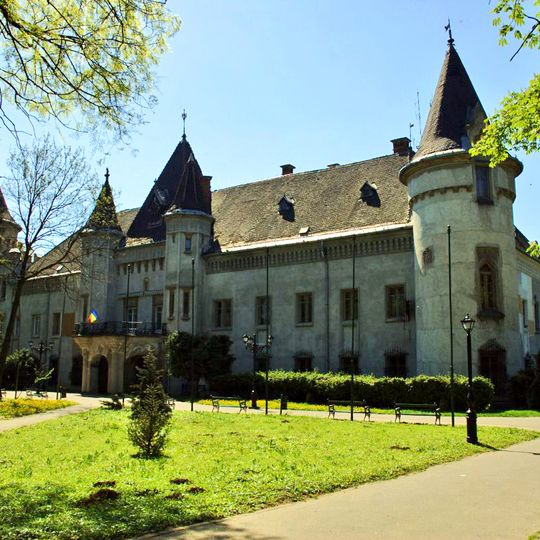
Carei is a small city in northwestern Romania near the Hungarian border, originally founded as a marketplace and trade center and later developed around Károlyi Castle. The castle, built in the 14th century as a fortress, was transformed over centuries into a manor house with Baroque and neo-Gothic details, surrounded by a moat and tall windows that visitors can see from the grounds.
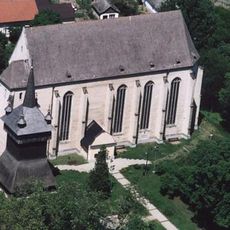
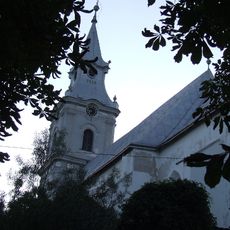
The settlement emerged in the 13th century as a trading hub and gained strategic importance on the Hungarian Kingdom's border, becoming fortified to defend against Ottoman incursions. By the 16th century, it became a center of Protestant theology and Calvinist reform, hosting religious synods and producing Gáspár Károli, who translated the Bible into Hungarian.
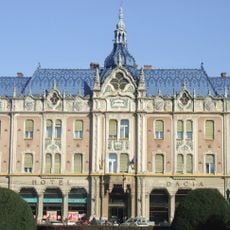
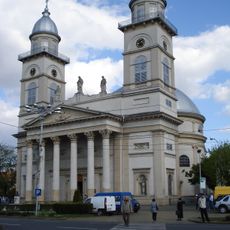
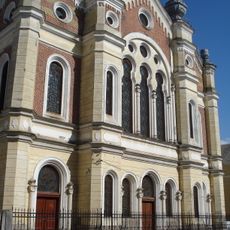
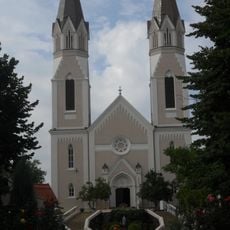
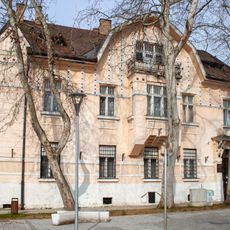
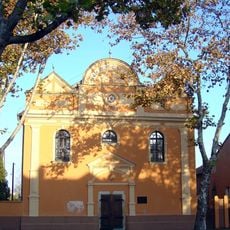
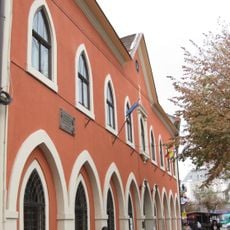
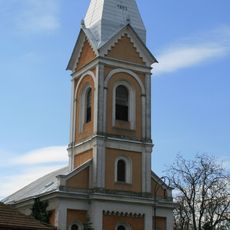
The Hungarian name Nagykároly reflects the city's deep ties to Hungarian culture, with more than half the population speaking Hungarian as their first language. This heritage is visible in bilingual signs, the Austro-Hungarian architecture throughout the streets, and the way local life carries both Romanian and Hungarian traditions.
The easiest way to reach the city is by train, as the old railway station from the Austro-Hungarian era is still in use and connects to larger towns. Most sites of interest, including the castle and city center, are within walking distance of each other.
The city is the birthplace of Gáspár Károli, who created the first complete Bible translation into Hungarian and remains a cornerstone of Hungarian religious and cultural history. His translation is still celebrated as a landmark achievement in Hungarian church and language studies.
The community of curious travelers
AroundUs brings together thousands of curated places, local tips, and hidden gems, enriched daily by 92,256 contributors worldwide.