Salonta, city in Bihor County, Romania
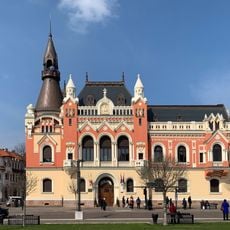
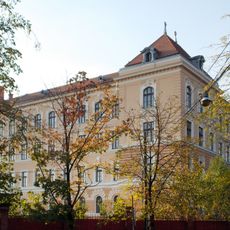
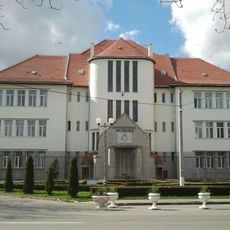
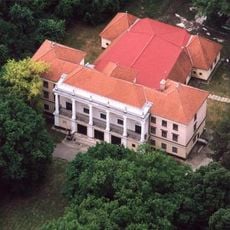
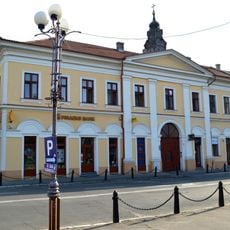
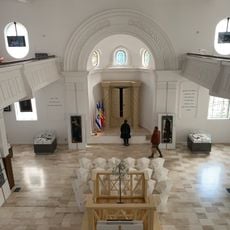
Salonta is a city in Bihor County in northwestern Romania, situated in the Crișana region on flat plains about 300 feet (90 meters) above sea level. It contains churches of different denominations, a museum dedicated to Romanian peasant culture, the János Arany Memorial House, and a cultural center that hosts local events and performances.
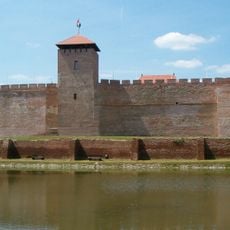
The town was first recorded in 1214 as Zolonta and was originally held by the Toldi family, who built early wooden fortifications. After the Treaty of Karlowitz in 1699, it came under Habsburg control and was transferred to Romania following World War I in 1920.
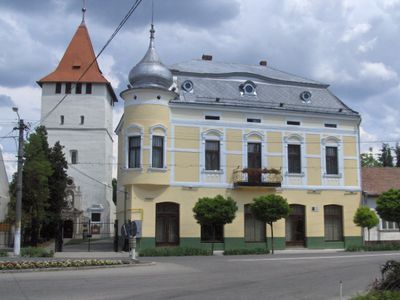
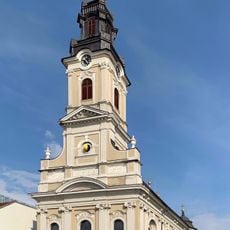
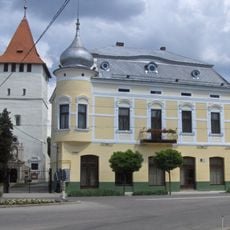
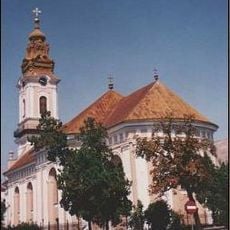
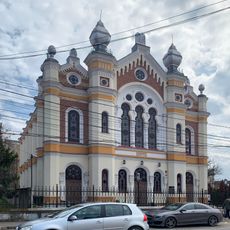
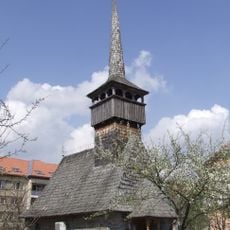
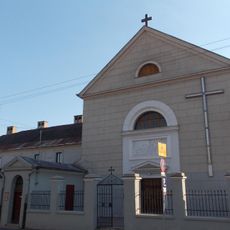
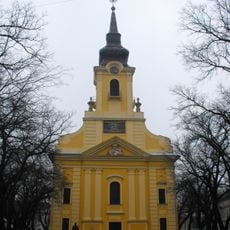
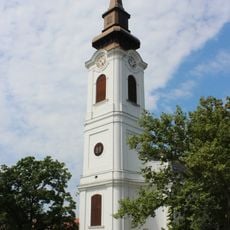
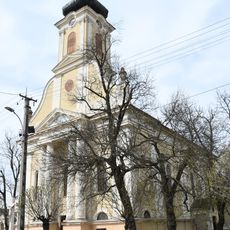
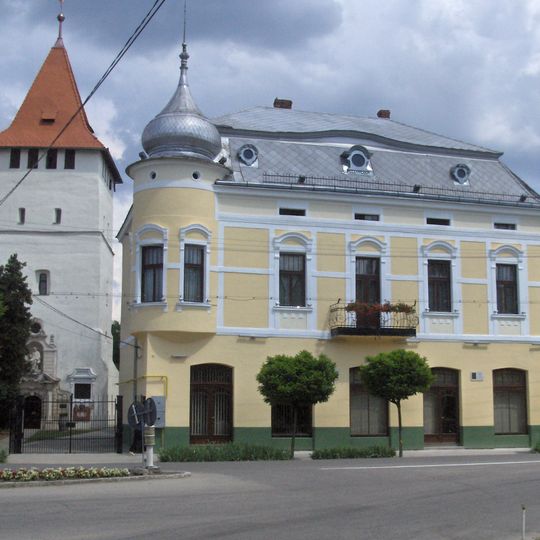
The town reflects Hungarian and Romanian heritage through its churches and local traditions. The Reformed Church with its tall clock tower, along with Roman Catholic and Orthodox churches, shape the town's character and reveal its diverse communities.
The town sits on flat terrain that is easy to navigate on foot, with good road connections to nearby Oradea and Arad. A railway station connects the city to surrounding towns, though high-speed trains are not available here.
Salonta was the birthplace of the famous Hungarian poet János Arany, whose epic poems in the Toldi trilogy drew on Hungarian folklore and remain celebrated across the region. A memorial house honors his life and literary contributions in the town.
The community of curious travelers
AroundUs brings together thousands of curated places, local tips, and hidden gems, enriched daily by 92,401 contributors worldwide.