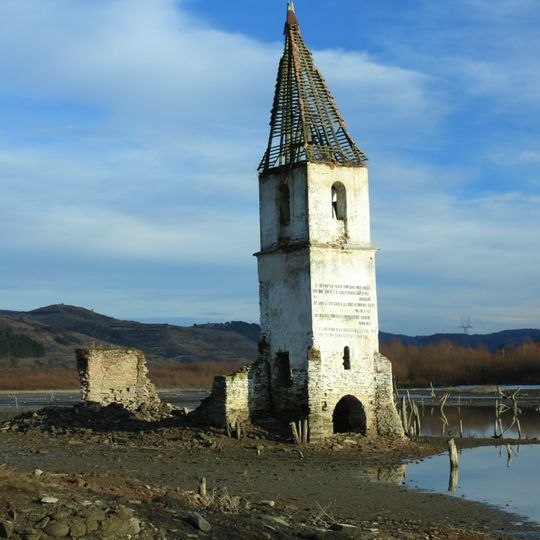
Bezidu Nou, Submerged village at Bezid reservoir in Mureș County, Romania
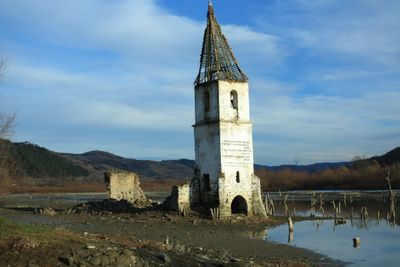
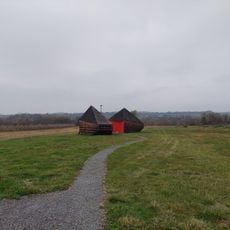
Bezidu Nou is a former settlement in Transylvania that now lies beneath the waters of Bezid reservoir at an elevation of 364 meters. Today only fragments of walls remain visible above the water surface, serving as physical reminders of the village that once stood there.
The Bezid reservoir project began construction in 1975 and was completed in 1994, submerging the village during Romania's communist period. This large-scale development was part of broader industrial plans that reshaped many traditional settlements across the region.
The settlement was home to people of different faiths, including Catholics and Székely Sabbatarians who had converted to Judaism. This religious diversity shaped daily life and community bonds in the village before it disappeared beneath the water.
The site is best viewed from the water or elevated shoreline points since most structures lie submerged. A memorial erected in 1995 displaying the names of former residents is located at an accessible spot near the reservoir for visitors to find.
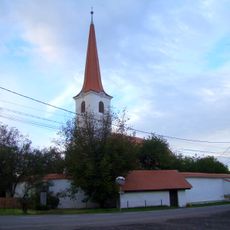
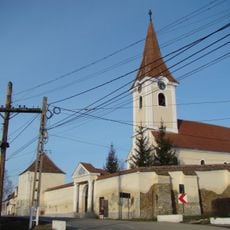
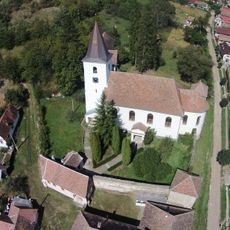
The steeple of the Catholic church remained visible above water for decades as the last standing structure before it collapsed on June 29, 2014. This moment marked when the final physical trace of the former village finally disappeared beneath the waters.
The community of curious travelers
AroundUs brings together thousands of curated places, local tips, and hidden gems, enriched daily by 60,000 contributors worldwide.