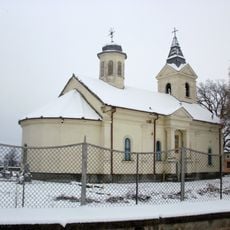
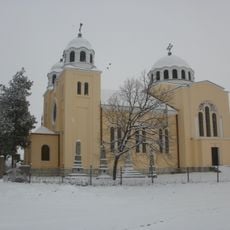
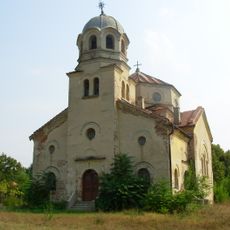
Romania–Serbia border, international border between Romania and Serbia
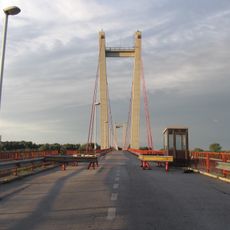
The Romania-Serbia border is an international land boundary in southeastern Europe that follows the course of the Danube River for approximately 476 kilometers. Nine official crossing points line this river boundary, with major ones at Becicherecu Mic to Vatin and Moldova Nouă to Novi Kneževac, where vehicles and travelers undergo border procedures.
The border was officially established in 1859 when Moldavia and Wallachia united to form Romania, then remarked in 1918 following Serbia's occupation of Banat. A significant land exchange between Romania and Yugoslavia in 1924 shaped the boundary as it exists today.
The border area functions as a neighborhood where Romanian and Serbian communities meet and interact. At crossing points, small shops and roadside markets show how local customs and languages blend together, creating a space where different traditions coexist.
Travelers should always bring a valid passport and check visa requirements before crossing. Plan for extra time at border controls, especially during holidays or peak periods, and having local currency or cards ready helps speed up any required transactions at the crossing.
At a special location, the borders of Hungary, Romania, and Serbia converge at a place called Triplex Confinium, marked by a small monument. Every year, people gather there to celebrate this meeting of three countries with local events and festivities.
The community of curious travelers
AroundUs brings together thousands of curated places, local tips, and hidden gems, enriched daily by 90,839 contributors worldwide.