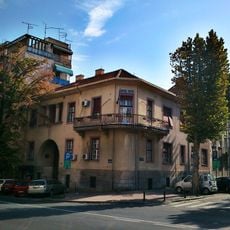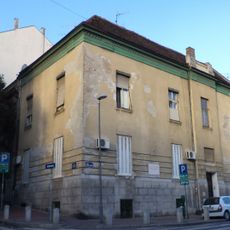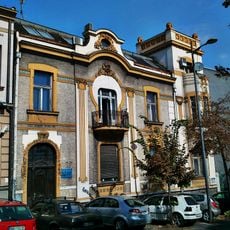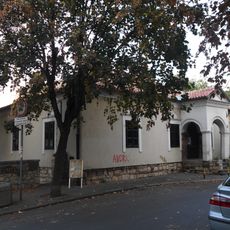
Central Serbia, Administrative territory in Serbia
Central Serbia extends from the Danube River in the north to Montenegro, Kosovo, North Macedonia, and Bulgaria in the south and east. The territory comprises 24 administrative districts managed by commissioners who work with local municipal officials.
The region formed the core of modern Serbia during the Serbian Revolution against the Ottoman Empire in the early 1800s. It served as the heartland for the independence movement that established the foundation of today's nation.
The region shows a blend of ethnic groups, with Serbian populations forming the majority and significant Bosniak communities visible in places like Novi Pazar. This diversity shapes local traditions and daily community life across the various settlements.
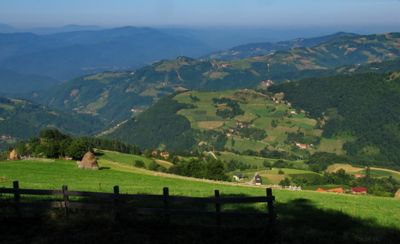
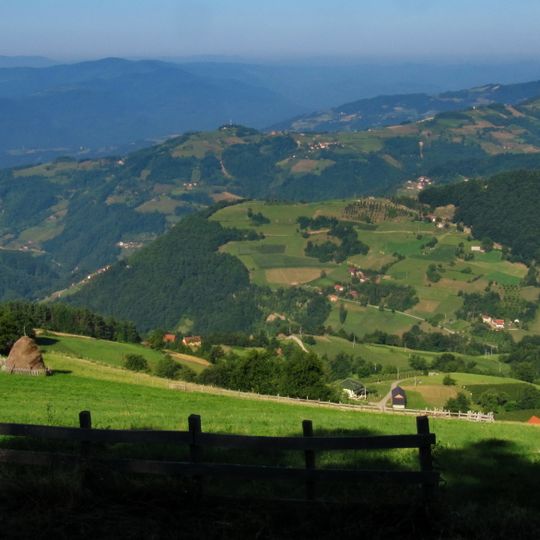
The region has varied elevations and landscape types, making spring through autumn the best time to visit. Those wishing to explore different areas should plan for several days, as distances between settlements can be considerable.
The geographical landscape comprises the Šumadija hills, the Mačva plains, and the Great Morava river system, creating distinct agricultural zones. This physical diversity has shaped how different communities developed their ways of living and farming practices.
The community of curious travelers
AroundUs brings together thousands of curated places, local tips, and hidden gems, enriched daily by 92,551 contributors worldwide.