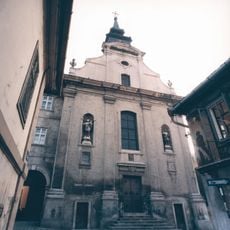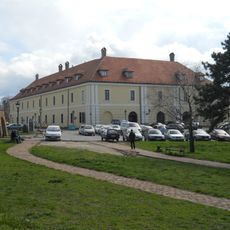
Petrovaradin Fortress, Military fortress in Petrovaradin, Serbia
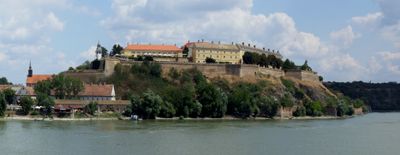
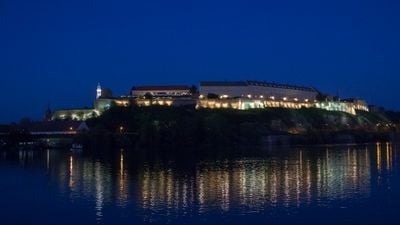
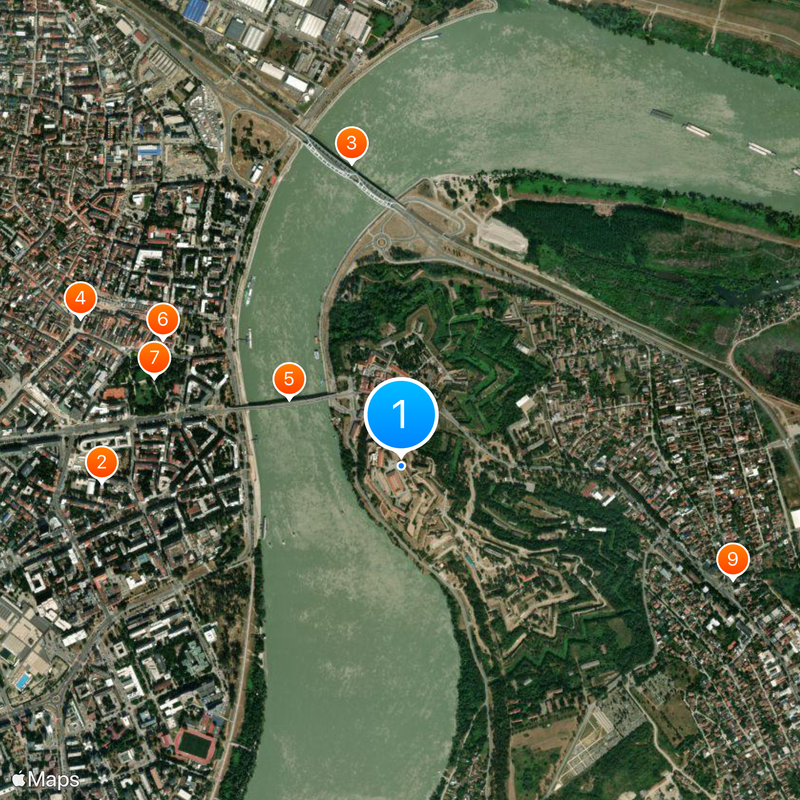
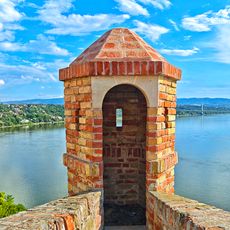
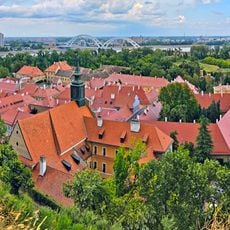
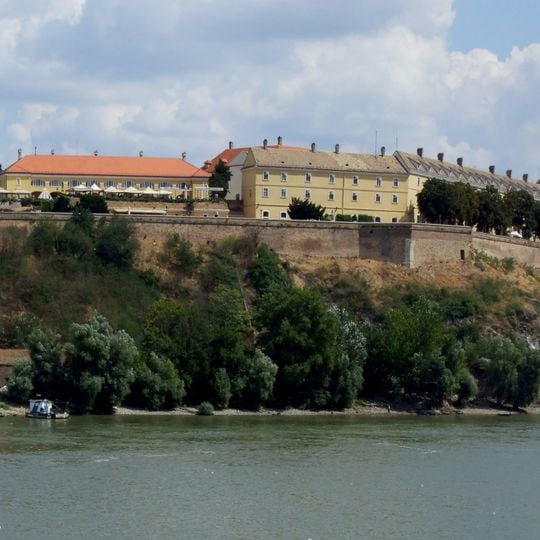
Petrovaradin Fortress is a military structure built on a high cliff overlooking the Danube River, with multiple defensive walls and bastions arranged across the sloped terrain. The interior contains an extensive network of underground passages designed for movement and shelter during conflict.
Construction began in 1692 under the direction of Charles Eugene de Croy, with the work progressing over multiple decades as a major military project of the era. The site later saw action in regional conflicts and was gradually converted to civilian uses.
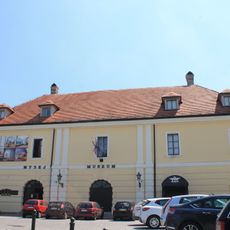
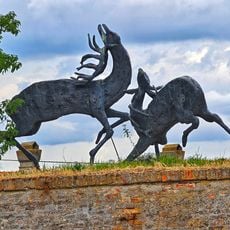
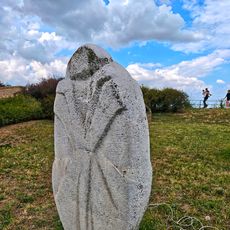
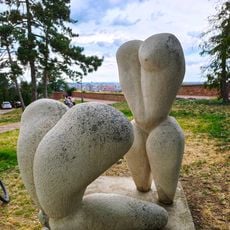
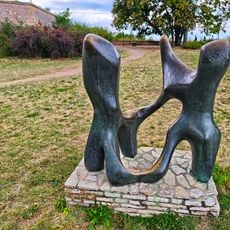
The fortress now houses the Museum of Novi Sad and serves as a working space for artists and cultural professionals who maintain studios in its historic rooms. Visitors encounter art exhibitions, performances, and local creative traditions throughout the site.
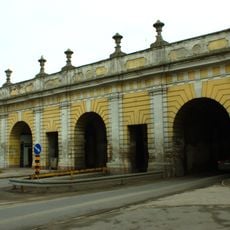
Entry is available through several gates, with the Leopold Gate serving as the main access point for exploring the different areas of the site. Most sections are open year-round, though underground passages can become slippery when wet.
The fortress clock tower features an unusual reversed mechanism where the large hand displays hours and the small hand indicates minutes, designed to help river boatmen read the time quickly. This practical solution became a distinctive feature that survived through the centuries.
The community of curious travelers
AroundUs brings together thousands of curated places, local tips, and hidden gems, enriched daily by 91,477 contributors worldwide.