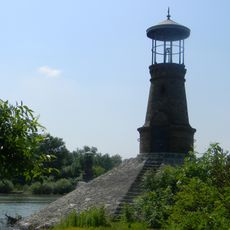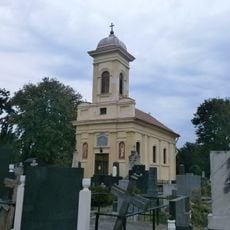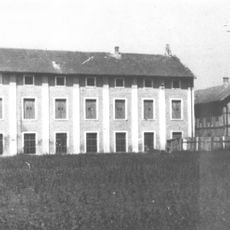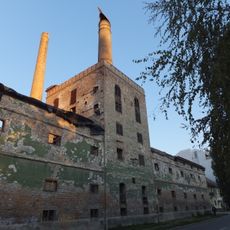
Starčevo site, Archaeological site near Pančevo, Serbia
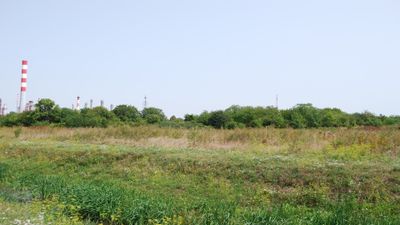
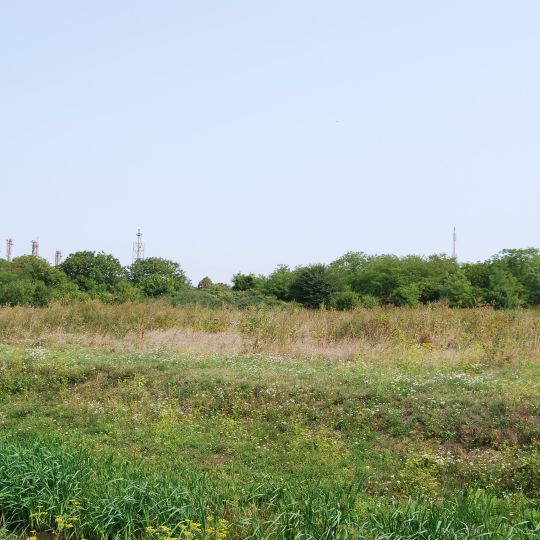
The site spreads along the left bank of the Danube River and contains elliptical underground structures with diameters between 2 and 6 meters (6 and 19 feet). The archaeological complex also includes stone blades, bone tools, and abundant painted pottery from this early period.
The settlement began around 6200 BCE and represents one of the earliest farming and herding societies in central Balkans during the Early Neolithic period. The findings show how early farmers settled and shaped this region.
The pottery found here displays painted geometric patterns in white, black, and red that show the artistic skills of the early inhabitants. These works reflect how the people understood their surroundings and expressed their creativity.
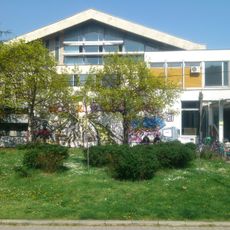
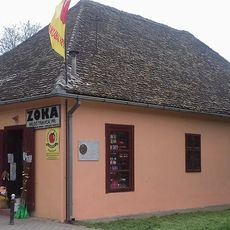
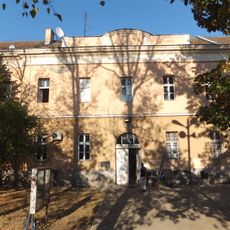
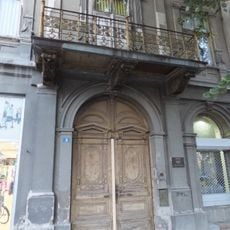
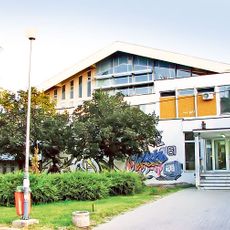
The location sits about 8 kilometers (5 miles) from Pančevo and is best accessed through the Starčevo Museum in the House of Culture in the nearby village. The museum displays the findings and provides context for the underground structures by the river.
Excavations reveal that the dead were buried in fetal positions within settlement waste pits, pointing to specific burial practices of the Neolithic inhabitants. This method of burial offers insight into the social habits and spiritual beliefs of this early community.
The community of curious travelers
AroundUs brings together thousands of curated places, local tips, and hidden gems, enriched daily by 90,833 contributors worldwide.