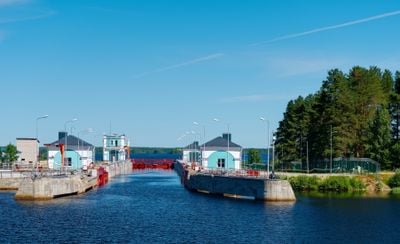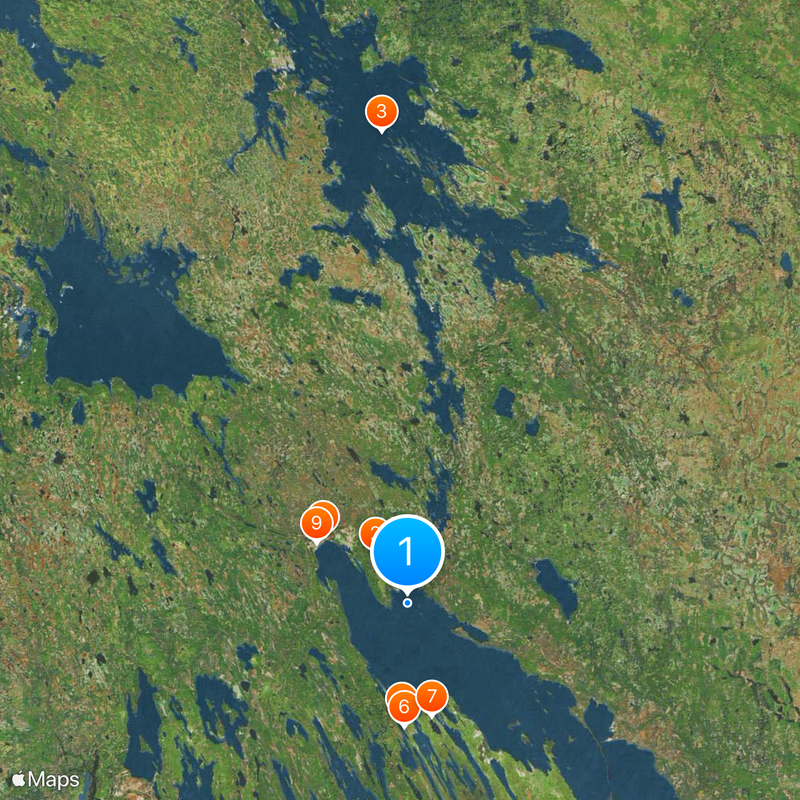
White Sea – Baltic Canal, 227-kilometer waterway system in Karelia, Russia.
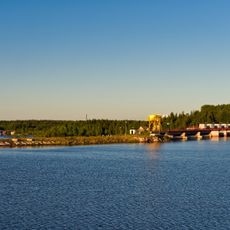
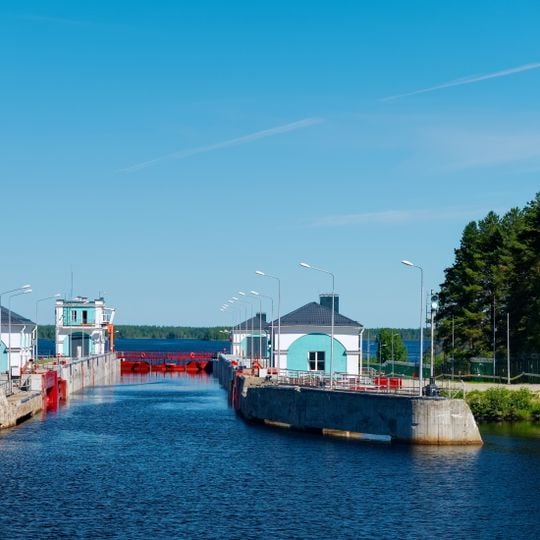
The White Sea – Baltic Canal runs 227 kilometers through Karelia, linking the Onega lake system with the White Sea via a series of constructed waterways and natural stretches. The route incorporates 19 locks that regulate the water level as the passage moves through forests, rivers and open water.
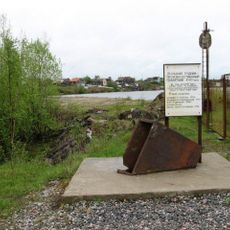
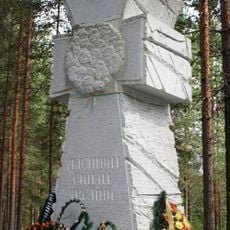
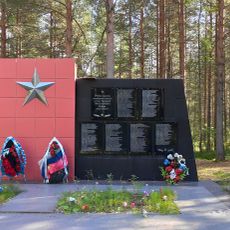
Construction took place between 1931 and 1933 using forced labor from Soviet prison camps. Thousands of workers died during the rapid completion, which finished in just 20 months under harsh conditions in the northern wilderness.
The canal represents a major engineering achievement of the Soviet era, transforming the transportation infrastructure of northern Russia and connecting regional communities.
Navigation is possible from May through October, with passage limited to vessels drawing no more than 3.5 meters (about 11 feet) of water. Travelers can join small cruise ships that move along the waterway, passing through locks and forests as they cross the region.
The southern lock sequence, known as the Povenets Stairs, lifts boats 103 meters (about 338 feet) above sea level through seven consecutive chambers. This arrangement forms one of the most noticeable engineering solutions along the entire waterway.
The community of curious travelers
AroundUs brings together thousands of curated places, local tips, and hidden gems, enriched daily by 90,798 contributors worldwide.