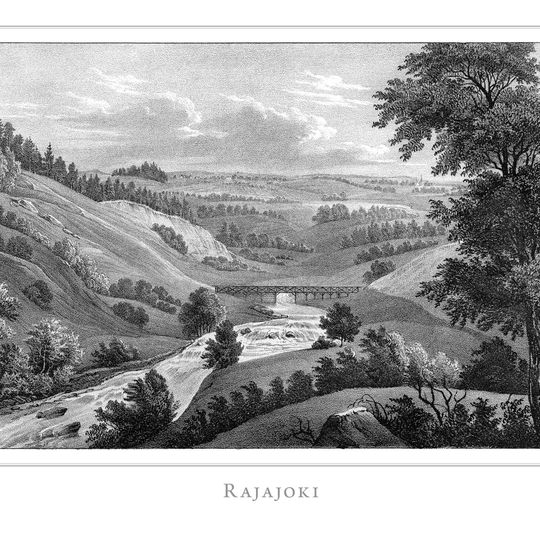
Sestra, River system in Vyborgsky District, Russia
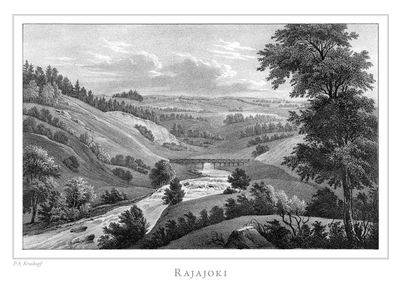
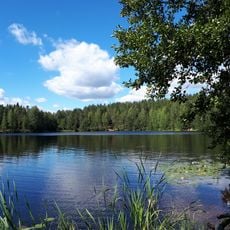
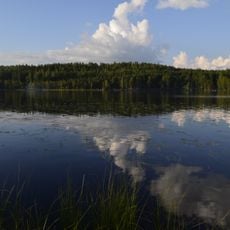
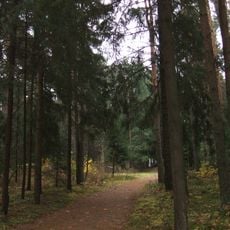
The Sestra is a river in the Vyborgsky District of Leningrad Oblast, Russia, running through a mix of forest and low-lying land before reaching the Sestroretsky Razliv reservoir. The river moves slowly through its lower sections, with banks lined by trees and reeds that partly conceal the water from nearby paths.
Between the 13th and 17th centuries, the Sestra marked the border between Russia and Sweden, and later served as the boundary with Finland. The towns and villages along its banks developed under the influence of this frontier position.
The name Sestra comes from the word for "sister" in Russian and Slavic languages, and locals have long used the river for fishing and riverside walks. Along certain stretches, you can still see people casting lines from the banks, keeping up a habit that has been part of life here for generations.
Several sections of the river can be reached on foot or by bicycle along paths that pass through surrounding woodland. Visiting in summer or early autumn makes it easier to get close to the banks, as some stretches become muddy or overgrown at other times of the year.
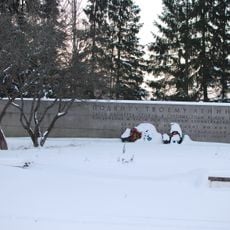
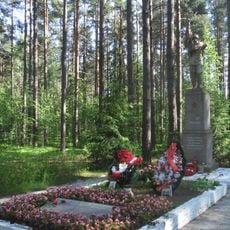
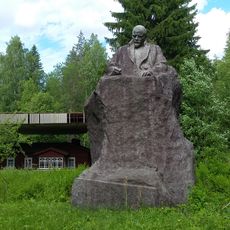
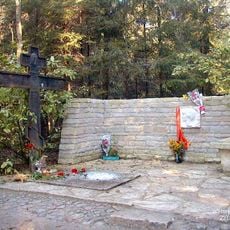
The Sestroretsky Razliv reservoir, which the river feeds, was created in the early 18th century to power a weapons factory. In 1917, Lenin hid near the reservoir's shore in a barn and later a thatched hut, a spot that later became a Soviet memorial site still visited today.
The community of curious travelers
AroundUs brings together thousands of curated places, local tips, and hidden gems, enriched daily by 92,549 contributors worldwide.