Solovetsky state Museum-reserve, Museum complex on Solovetsky Islands, Russia
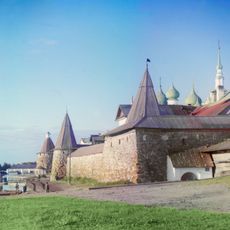
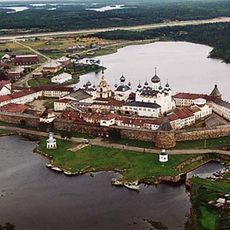
The Solovetsky State Museum-Reserve, founded in 1967 on the grounds of the Solovki Monastery, holds over 250 immovable monuments and more than 1,000 cultural heritage objects spanning the 5th millennium BCE to the 20th century. Its buildings include the Uspensky complex with the single-pillar Refectory Chamber (1552–1557), the Transfiguration Cathedral (1558–1566), and the fortress walls and towers of the late 16th to early 17th centuries. The reserve also covers the islands' lake-and-canal system and a large pagan sanctuary with cult and burial structures.
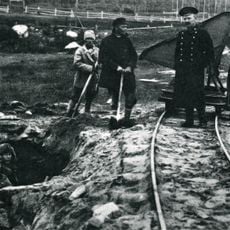
Monks founded the monastery on the islands in the 15th century, and it grew into one of the most important religious centers in northern Russia. In the 20th century, the Soviet state converted the site into one of the first labor camps of the Gulag system.
The monastery's main shrines hold the relics of the founders Zosima, Savvaty and German, kept today in the Church of Philip the Metropolitan (1798–1799), and pilgrims come to venerate them. The Church of Saint German (1859) stands as a burial chapel over the graves of Savvaty (died 1435), German (died 1484) and Markell (died 1663).
The islands can be reached by boat or small plane, and connections depend heavily on the time of year. It is worth planning the trip well in advance, as Arctic weather can affect access at short notice.
The monks built a system of canals linking dozens of natural lakes across the islands to move fresh water and ease travel between different parts of the site. Parts of this network are still visible today and can be seen during a visit.
The community of curious travelers
AroundUs brings together thousands of curated places, local tips, and hidden gems, enriched daily by 94,484 contributors worldwide.