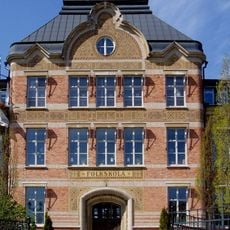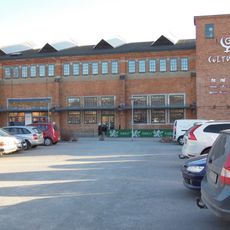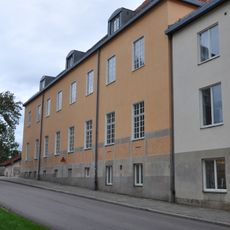
Västerås, Industrial municipality in central Sweden
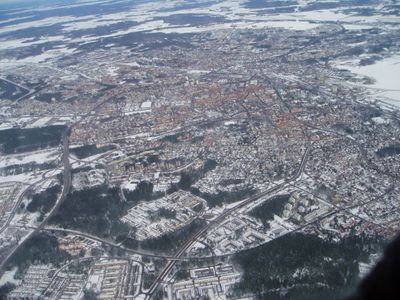
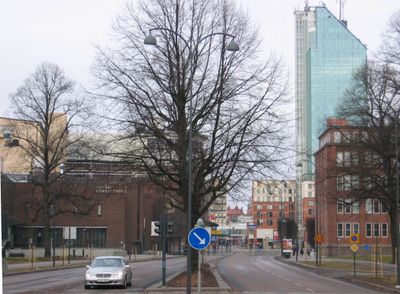
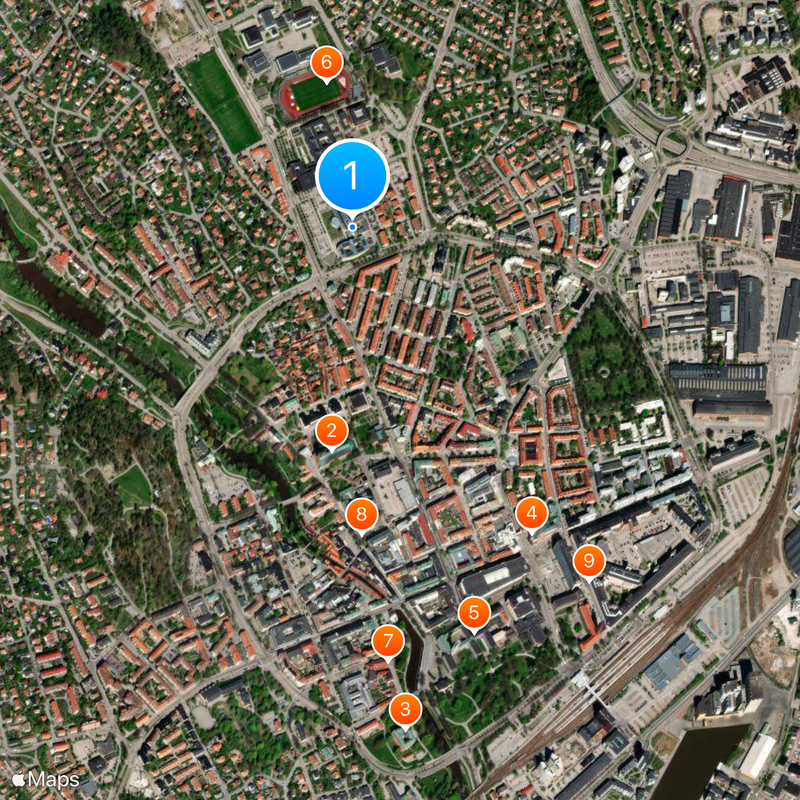
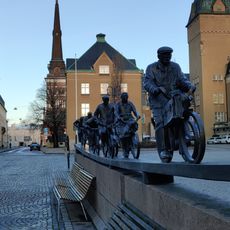
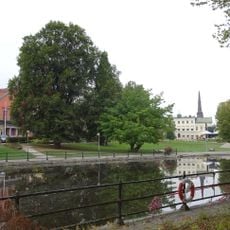
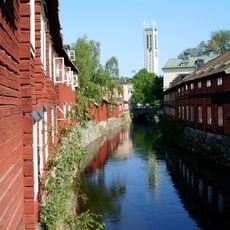
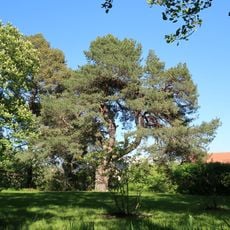
Västerås sits roughly 100 kilometers west of Stockholm on the shore of Lake Mälaren and spreads along the water with parks and green zones. The city combines industrial districts with residential neighborhoods and offers many waterfront paths for walking or cycling.
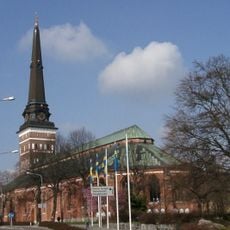
The settlement arose during the Viking Age under the name Västra Aros, referring to the western mouth of the Svartån river. Over the course of the Middle Ages it grew into a church center and received its Gothic cathedral in 1271.
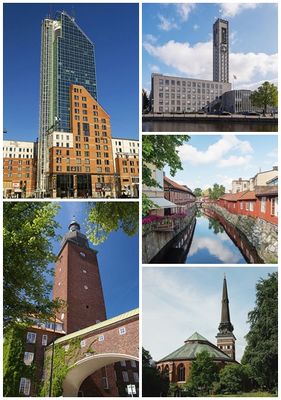
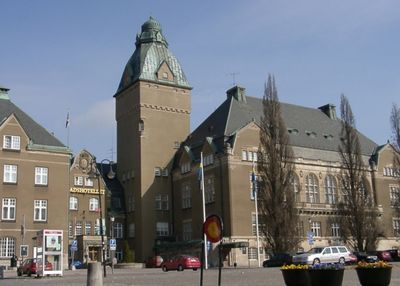
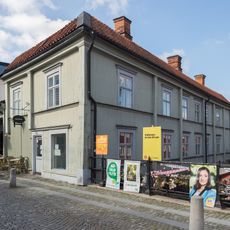
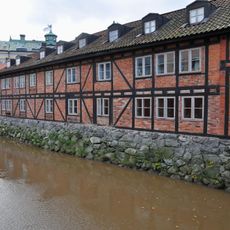
The cathedral from the 13th century shapes the old town and draws visitors who walk through the lanes around the cathedral square. Many cafés and shops use the historic buildings nearby, creating a link between old heritage and daily life today.
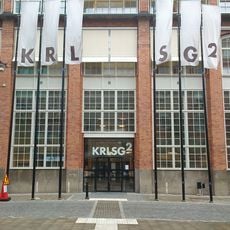
A new travel hub will open in 2025 and brings together more than 30 stops for public transport along with shops and bicycle facilities under one roof. The town center is easy to explore on foot, while the lakefront provides access to various green spaces.
In the 19th century the region was known for large-scale cucumber farming, earning it the nickname Gurkstaden among locals. This name still recalls the agricultural past even though the greenhouses have long since made way for other uses.
The community of curious travelers
AroundUs brings together thousands of curated places, local tips, and hidden gems, enriched daily by 90,992 contributors worldwide.