Kiruna, Urban settlement in Lapland, Sweden
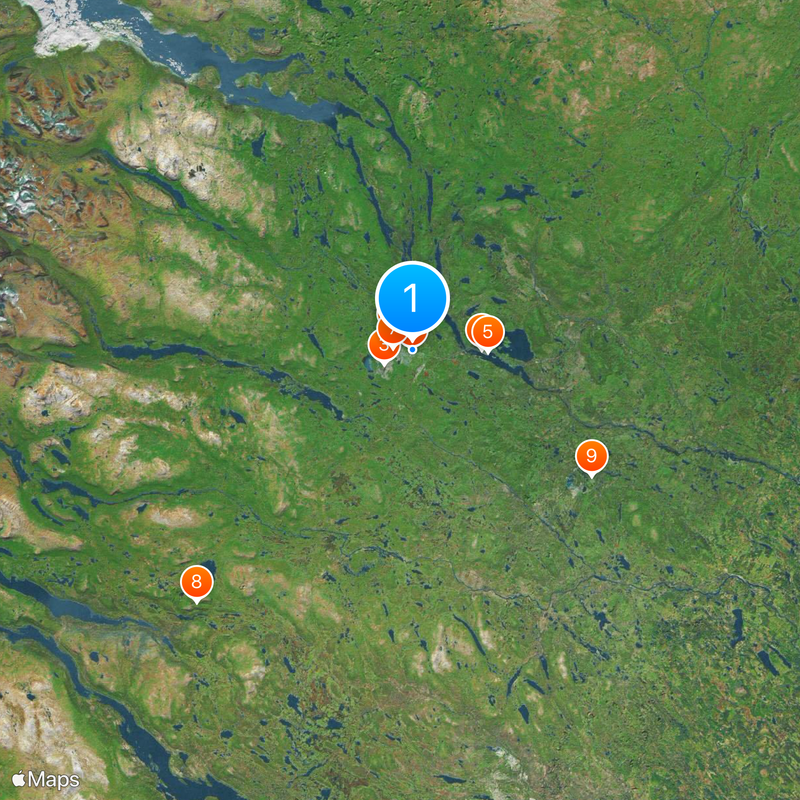
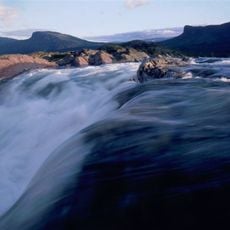
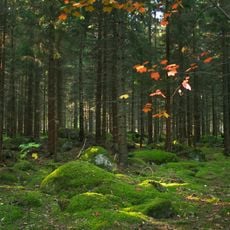
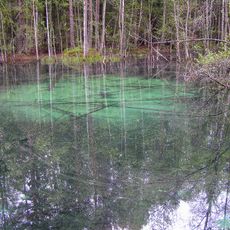
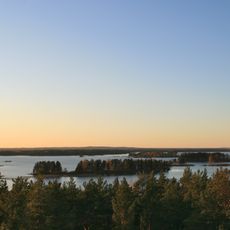
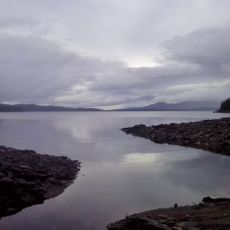
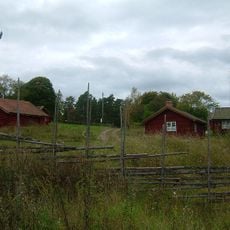
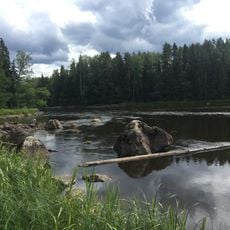
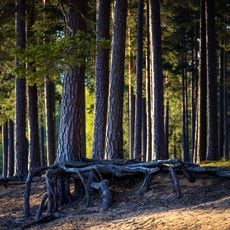
This settlement in Swedish Lapland spreads over subarctic terrain marked by pine forests, glacial lakes, and low mountains. Buildings sit kilometers apart, with wide gaps reflecting the sparse population across the region.
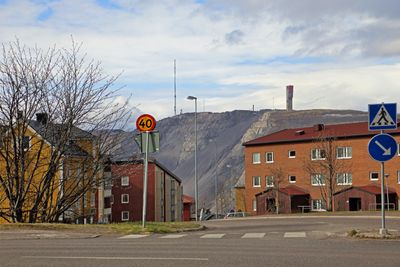
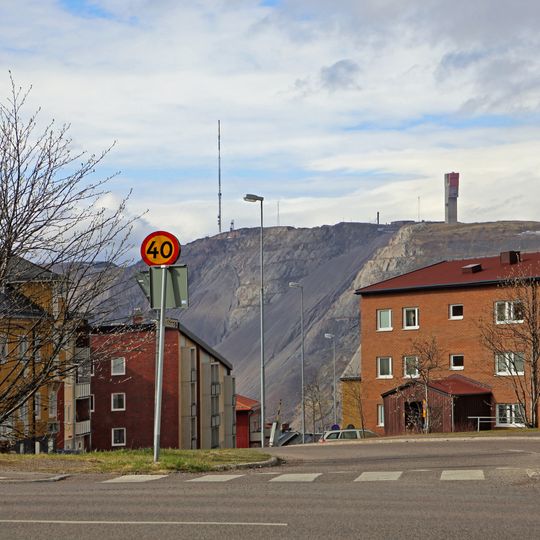
Iron ore deposits brought miners and engineers to this uninhabited wilderness around 1900, triggering the construction of railway lines and residential quarters. Mining shaped the economy for over a century and eventually led to extensive relocation plans for the town center.
The name comes from the Sami word meaning ptarmigan, connecting the settlement to the language and wildlife knowledge of the indigenous people. Local markets sometimes sell reindeer meat, dried fish, and crafts shaped by centuries of Arctic living.
Winter temperatures often drop far below freezing, so insulated clothing and proper footwear are necessary throughout the year. Summer months bring midnight sun, while polar winters bring complete darkness during midday hours.
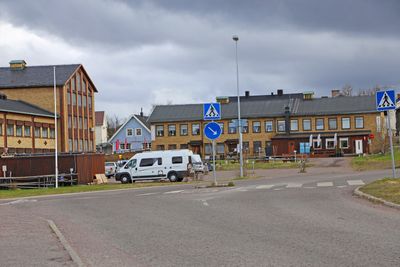
The entire town center shifts gradually eastward to avoid ground subsidence caused by underground mining activity. Historic buildings like the church are dismantled, transported, and reassembled at new locations.
The community of curious travelers
AroundUs brings together thousands of curated places, local tips, and hidden gems, enriched daily by 60,000 contributors worldwide.