Stora Alvaret, Limestone plain in southern Öland, Sweden
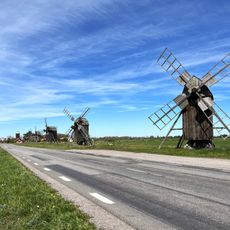
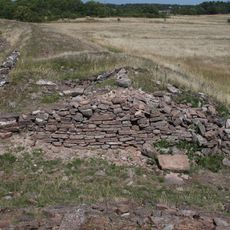
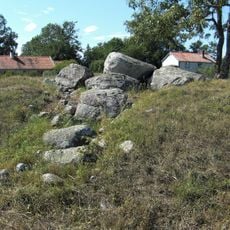
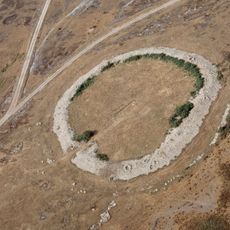
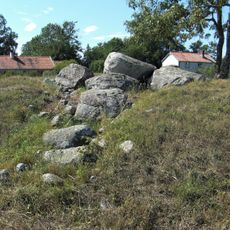
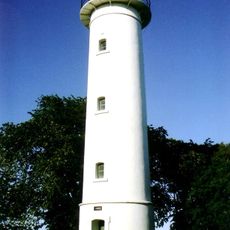
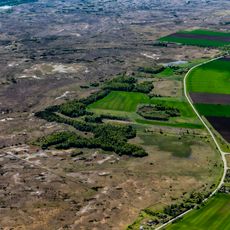
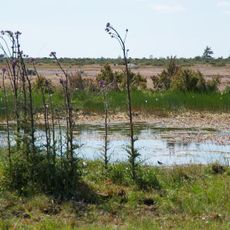
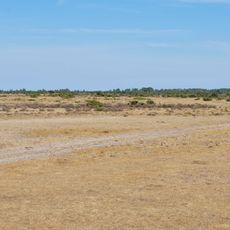
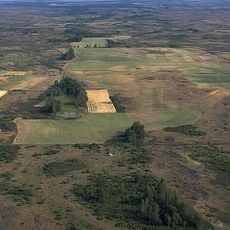
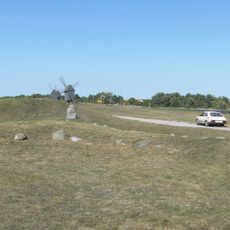
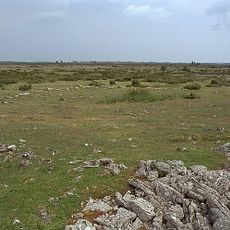
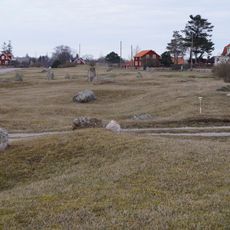
Stora Alvaret is a flat, treeless limestone terrace in southern Öland, about 40 km long and up to 10 km wide, covering over 260 km². Its Ordovician limestone, formed some 500 million years ago, lies bare or under a soil layer only two centimetres deep at most. Sparse stunted trees grow on parts of it, and low dry-stone walls of grey and brown limestone blocks with crenellated tops cross the plain.
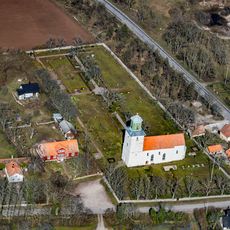
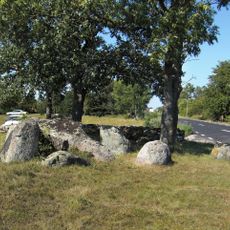
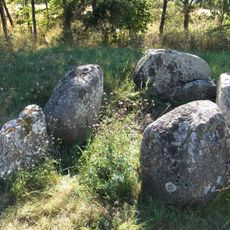
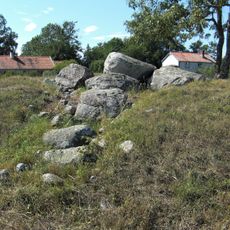
People have settled on this plain since the Stone Age, leaving traces that archaeologists continue to discover today. Population increased noticeably during the Bronze Age, with communities adapting to and using the distinctive terrain in various ways.
Grazing has shaped Stora Alvaret for centuries: sheep keep the thin soil open and stop shrubs from taking over, and their number is limited because the soil layer is only a few centimetres deep. The plain has long drawn artists — Albert Theodor Gellerstedt, Nils Kreuger and Arthur Percy painted it — and it appeared on Swedish stamps in 2003.
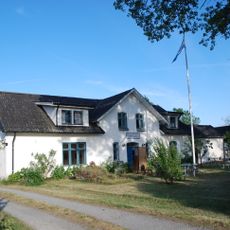
Marked trails and information centers help visitors explore and understand the terrain. Parking areas are located near key points, making it easy to access different parts of this sprawling landscape.
The thin soil, only two centimetres at its deepest, supports plants that survive where limestone lies bare. Linnaeus visited in 1741 and noted how some plants thrive on the driest, most barren parts of the alvar. Goldfish were found in a pond here in the late 1990s, an introduced species nobody expected.
The community of curious travelers
AroundUs brings together thousands of curated places, local tips, and hidden gems, enriched daily by 93,624 contributors worldwide.