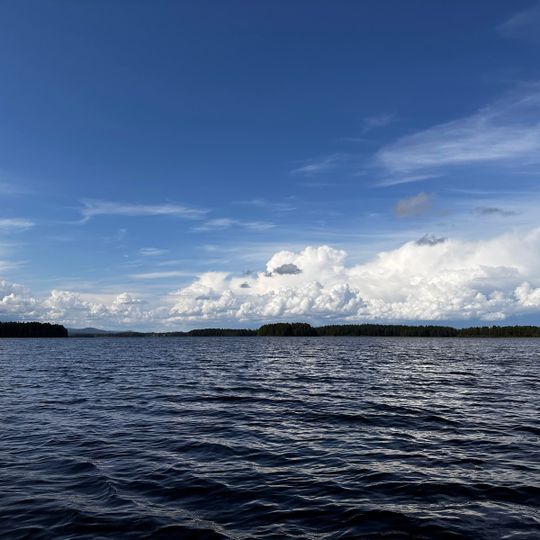
Siljan, Impact crater lake in Dalarna, Sweden
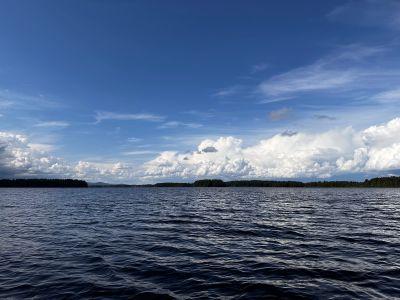
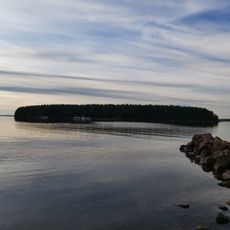
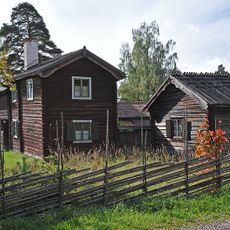
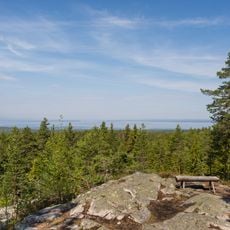
Lake Siljan is a large body of water in central Sweden with deeply indented shores and multiple peninsulas, surrounded by forests, meadows, and small settlements. The shoreline stretches for hundreds of kilometers around the lake, offering diverse coastal landscapes to explore.
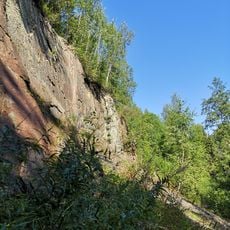
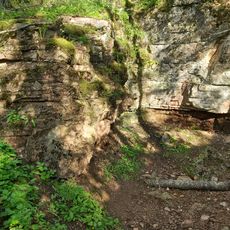
Siljan lies on the southwestern rim of the Siljan Ring, a circular formation created 377 million years ago by a meteorite impact. The original crater, now mostly eroded, measured about 52 km across, the largest known impact crater in Europe outside Russia. The Cambrian, Ordovician and Silurian sedimentary rocks deformed by the impact are rich in fossils.
The name Siljan was first recorded in 1442 as "nordhan Silghis sio". It likely derives from an unrecorded Old Swedish *Sylghir, related to the Gotland dialect word sylgå, a channel on the sea floor, and to the Swedish verb svälja, to swallow, because a trench over 100 metres deep runs along the lake bed from south of Mora into Österviken at Leksand. In the parishes around the lake the name is traditionally declined in the local Dalarna dialects.
The shoreline can be reached from several locations including Mora, Leksand, Rättvik, and Orsa, which all offer good access points. Regular boat services connect different places along the shore and make exploration easier.
In 1986 Vattenfall began drilling the Gravberg-1 well in the ring's north-northeast; by 1989 it reached 6,957 m. The bore produced only 84 barrels of oil, later traced to drilling lubricants, and a black magnetic sludge of microscopic magnetite held together by oils blocked the pipe at 5,520 m.
The community of curious travelers
AroundUs brings together thousands of curated places, local tips, and hidden gems, enriched daily by 94,580 contributors worldwide.