Kinnekulle, Table hill in Västergötland, Sweden
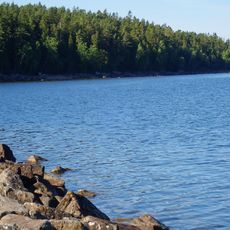
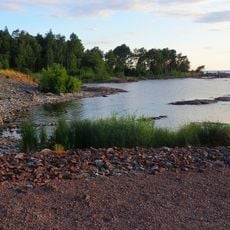
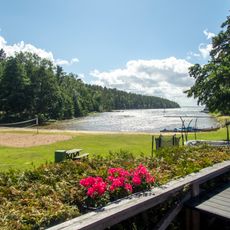
Kinnekulle is a flat-topped mountain on the southeastern shore of Lake Vänern in Götene Municipality, Västergötland. Its summit plateau, called Högkullen, reaches 306 m and measures about 14 km by 7 km. The flat top is a diabase sill that shields the softer Cambrian to Silurian sedimentary layers beneath, which include sandstone, alum shale, limestone and slate.
Kinnekulle's limestone plateau holds at least 20 gallery graves from the Late Neolithic (c. 2200–1700 BCE) and Early Bronze Age (c. 1700–1100 BCE), a concentration that has made the area a focus of archaeological research. Tradition holds that Olof Skötkonung, Sweden's first Christian king, was baptized in 1008 at a well just north of Husaby church on the south side of the mountain.
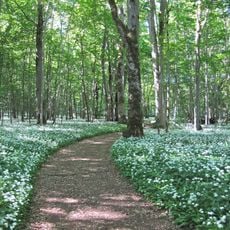
The name Kinnekulle comes from Kinne härad, but seafarers once avoided saying it, using the byname Kinnebonde or Bonden, since speaking the true name was believed to bring storms and shipwreck. The 45 km Kinnekulle hiking trail circles the mountain, and near Husaby the preserved Lasses grotta cave sheltered the hunter Lasse i Berget and his wife Inga for 30 years.
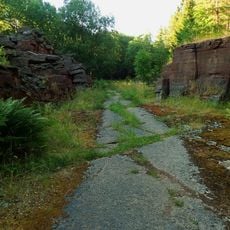
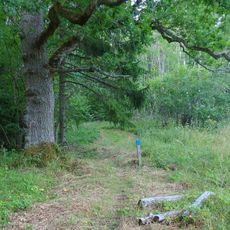
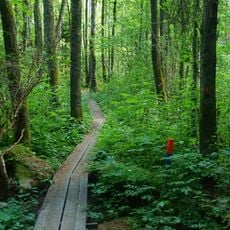
The Kinnekulleleden is a 45 km circular trail around the mountain, not across its summit. The Kleven, the steep western slope, is the sharpest climb; the gentler south side near Husaby and the old quarries at Råbäck and Thorsberg are easier to reach. Råbäcks lime works and the stone-quarry museum are signposted and linked by footpaths.
The first Österplana meteorite was found in 1987 at Thorsberg quarry north of Österplana church; the finds are among the oldest meteorites discovered on Earth. The limestone formed in an epicontinental sea with extremely low sedimentation rates, marked by hardgrounds.
The community of curious travelers
AroundUs brings together thousands of curated places, local tips, and hidden gems, enriched daily by 94,022 contributors worldwide.