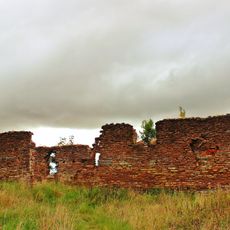
Råbäck, Historic building in Götene Municipality, Sweden
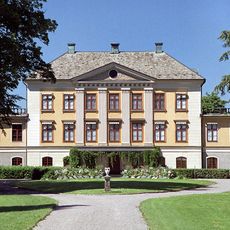
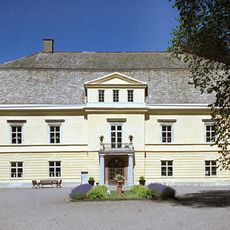
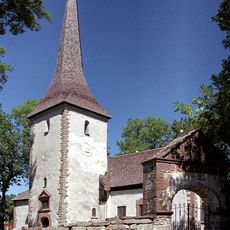
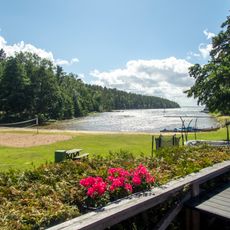
Råbäck is a manor estate on the western slope of Kinnekulle, south of Hällekis in Götene Municipality. Its corps de logi was built in 1667; the interior was remodelled in 1890 and the exterior took its present form in 1918 after drawings by Isak Gustaf Clason. The grounds include Munkängarna, Mörkeklevs grotta and a park laid out around 1900 with the Apostle Cave and its twelve stone chairs.
Råbäck was held by the noble Stake family in the 16th and 17th centuries, then by members of the Gyllengrip family in the first half of the 18th century. The corps de logi was built in 1667; the interior was remodelled in 1890 and the exterior took its present form in 1918 on drawings by Isak Gustaf Clason. In 1879 the estate passed to the Klingspor family, who sold it in the mid-1990s after nearly a century of ownership.
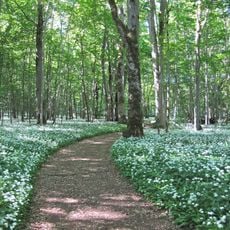
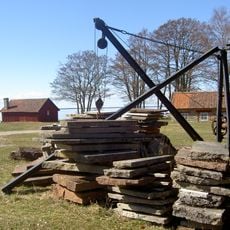
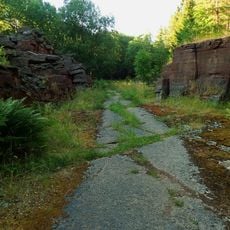
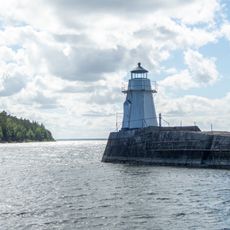
The estate's name is tied to Råbäcks park, laid out around 1900, which holds the Apostle Cave with its twelve stone chairs and Sankta Ragnhilds källa, a spring named after Saint Ragnhild. The estate also ran a mill, dairy, lime works, stonemasonry, shipping and a tourist hotel, and the stonemasonry at Råbäcks hamn, Råbäcks mekaniska stenhuggeri, has been a working-life museum since 1983.
Råbäck has its own stop on the Kinnekullebanan railway, and the estate lies on the western slope of Kinnekulle south of Hällekis. The park, laid out around 1900, holds the Apostle Cave with its twelve stone chairs and Sankta Ragnhild's spring. The stone quarry at Råbäck harbour has been a working-life museum since 1983.
The tourist hotel that Carl Klingspor had built at Råbäck in the early 1880s, designed by architect Adrian C. Peterson, hosted Selma Lagerlöf in summer 1901, who finished her novel Jerusalem there. The hotel's buildings were demolished in 1982 after falling into decay.
The community of curious travelers
AroundUs brings together thousands of curated places, local tips, and hidden gems, enriched daily by 93,514 contributors worldwide.