Fulufjället National Park, National park in Älvdalen, Sweden
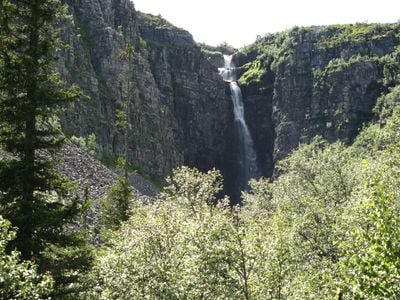
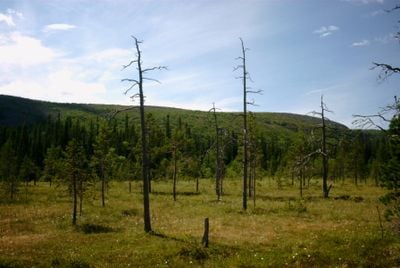
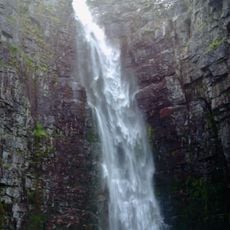
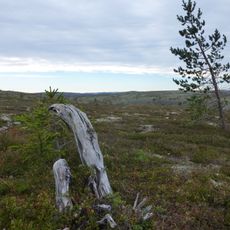
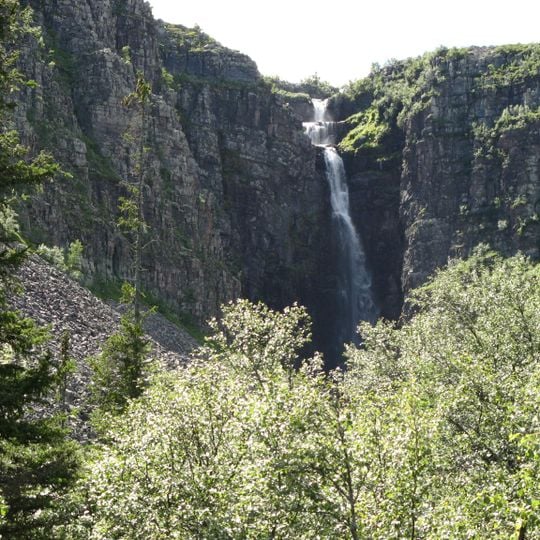
Fulufjället is a national park in Älvdalen featuring sandstone mountains, dense old-growth forests, and Sweden's highest waterfall, Njupeskär, dropping some 93 meters. The park covers roughly 385 square kilometers with numerous hiking paths and varied terrain.
The park was established in 2002 when King Carl XVI Gustaf opened it, marking an important moment in Swedish conservation efforts. This creation reflected the country's commitment to protecting natural landscapes and promoting sustainable tourism practices.
The name Fulufjället probably comes from Old Swedish fala, 'pale' or 'dim', perhaps via the river Fulan or the old road from Trysil to Falun. Until the 19th century, nearly white gyrfalcons were caught at the stone ring called Altarringen on the plateau. Summer farms (fäbodar) were still used on the mountain slopes not long ago.
Hiking is possible throughout the year, though the waterfall trail may close in winter due to avalanche danger. Visitors should check conditions before heading out and bring appropriate gear for changing elevations.
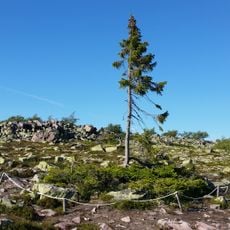
Old Tjikko, a Norway spruce on Fulufjället, is a clonal tree whose root system has been dated to 9,550 years old using radiocarbon dating of wood remains found beneath it. The trunk itself is much younger, as the spruce has repeatedly sprouted new shoots from the same roots since shortly after the last ice age. Researchers from Umeå University, including Leif Kullman, studied the tree while surveying the tree line.
The community of curious travelers
AroundUs brings together thousands of curated places, local tips, and hidden gems, enriched daily by 93,452 contributors worldwide.