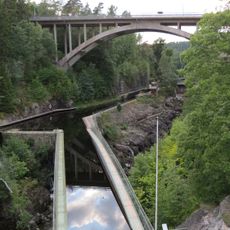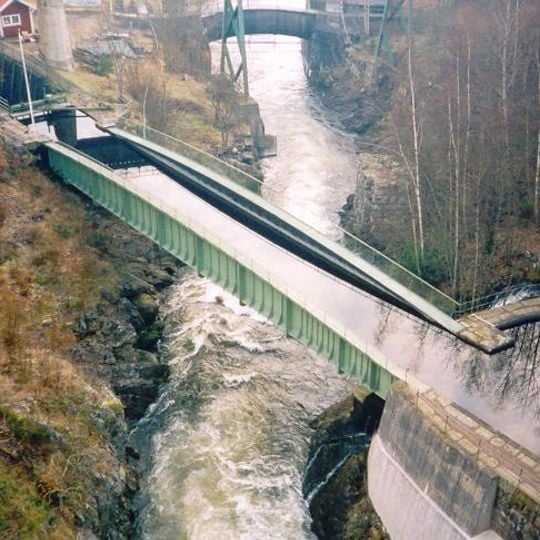
Dalsland Canal, Canal system in Dalsland, Sweden
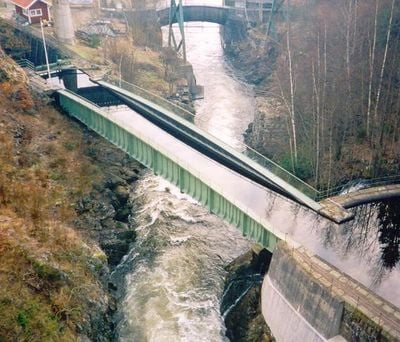
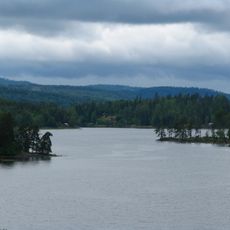
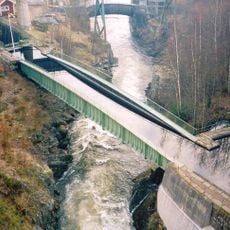
The Dalsland Canal is a waterway stretching through the Swedish landscape, connecting different municipalities and linking various lakes and rivers into one continuous route. The system has 31 locks to help boats navigate elevation changes, with only a small portion being artificially dug while most of the route uses existing water bodies.
Engineer Nils Ericson designed and built the canal between 1864 and 1868 to transport timber and iron ore across the region. The project significantly changed the area's economy, as it provided an efficient route for moving goods that previously had no practical waterway.
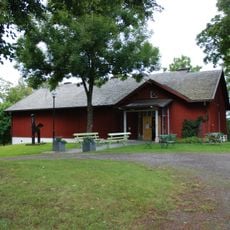
Visitors encounter craft workshops and small exhibitions along the banks where local artisans display their work and traditional skills. The waterway has become a place where people can experience regional craftsmanship firsthand and interact with makers of pottery, weaving, and other trades.
The canal is open for boating primarily from June to September and is easily accessible for visitors exploring the route. The locks do require some waiting time, but they also offer visitors a close look at how elevation changes work and allow them to observe the system in action.
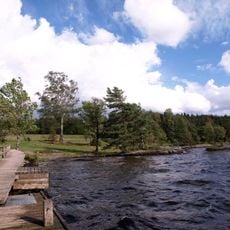
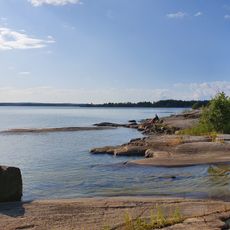
A surprising aspect is that the canal was not dug entirely from scratch but instead cleverly connects existing lakes and rivers, making it less invasive to the landscape. This approach meant the engineers worked with nature rather than against it, which was quite innovative for the time.
The community of curious travelers
AroundUs brings together thousands of curated places, local tips, and hidden gems, enriched daily by 91,700 contributors worldwide.