Genesmon, Archaeological settlement area in Själevad socken, Sweden
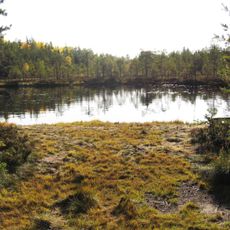
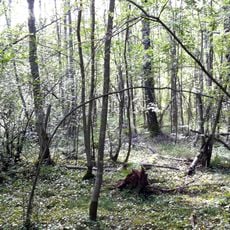
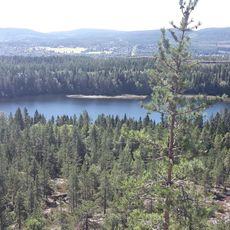
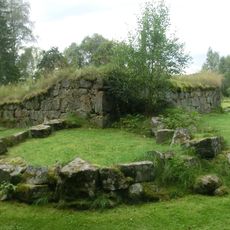
Genesmon is an Iron Age farmstead site on a sandy pine heath about 20 metres above sea level in Själevad parish, Örnsköldsvik Municipality. Excavations in 1977–1988 uncovered 14 house remains, including a longhouse, a barn, a workshop, a forge and a bronze-casting workshop, plus 13 visible burial mounds, each holding one buried person. The original farm layout is marked on the ground.
The settlement was occupied during the Roman Iron Age and Migration Period, showing continuous habitation in the region over centuries. Systematic excavations over a decade starting in 1977 uncovered the layers of this ancient community.
The name Gene likely comes from the old Swedish word for a narrow strip of land between two waters. Today the site is a monument in the Fornminnesregistret, and the reconstructed Gene fornby, opened in 1991, is run by the Örnsköldsvik Museum & Art Gallery. Visitors can see the marked original farm and the 13 visible burial mounds, each holding one buried person.
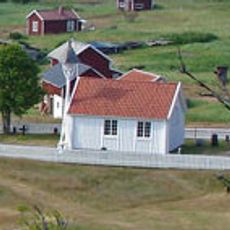
A reconstructed Iron Age farm called Gene fornby sits near the site and allows visitors to walk through buildings that demonstrate how people lived in those times. The farmstead shows actual size and layout of dwellings from the period, making the settlement easier to understand.
The forge measured 16 by 9 metres with four hearths built for different purposes, the largest prehistoric smithy found in Scandinavia. Among the finds was a mould for a relief brooch of a type recorded at only about ten sites in the Nordic countries; Genesmon is the only known place where it was made.
The community of curious travelers
AroundUs brings together thousands of curated places, local tips, and hidden gems, enriched daily by 94,001 contributors worldwide.