Charlottenborg Castle, Manor house in Motala, Sweden
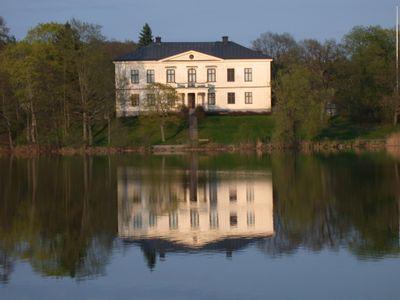
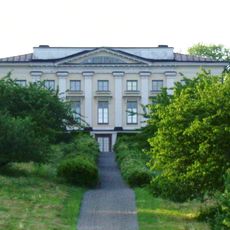
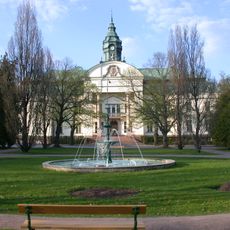
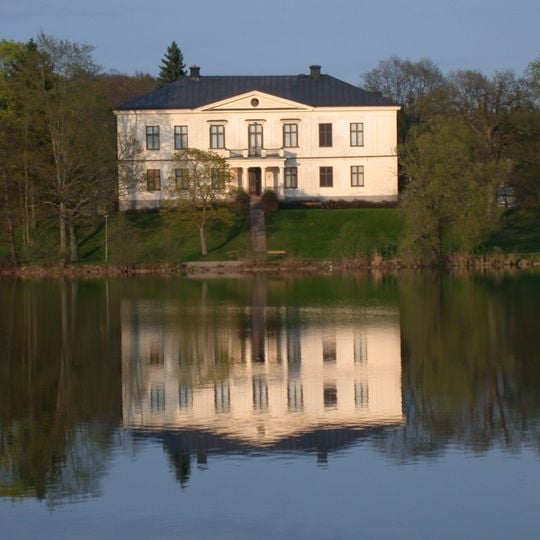
Charlottenborg is a stone manor house in Motala, Sweden, set on the banks of the Motala River and now used as the home of the Motala Museum. The building is surrounded by mature trees and connected by footpaths that wind through the grounds toward the water.
The manor was built in 1652 by Count Ludwig Wierich Lewenhaupt and named after his wife, Charlotte von Hohenlohe-Neuenstein. It passed through several noble families over the following centuries before eventually becoming a public institution.
The manor takes its name from Charlotte von Hohenlohe-Neuenstein, wife of Count Ludvig Wierich Lewenhaupt, who had the house built in 1652. Since 1959 it has housed Motala Museum, showing local history and art from the 17th to the 20th century, including works by August Malmström, Carl-Erik Törner and Johan Krouthén.
The grounds are easy to walk and most paths are accessible for strollers and wheelchairs. Areas close to the riverbank can be uneven, so it is worth checking the route before you head that way.
The manor is known locally as a "ghost manor". According to legend, the White Lady is the first owner, Countess Charlotte, who stood as a corpse in the kitchen for three years awaiting her husband's death so they could be buried together. Carl-Erik Törner painted her on a stairwell window around 1900.
The community of curious travelers
AroundUs brings together thousands of curated places, local tips, and hidden gems, enriched daily by 95,304 contributors worldwide.