Museum of Gothenburg, City museum in Gothenburg, Sweden
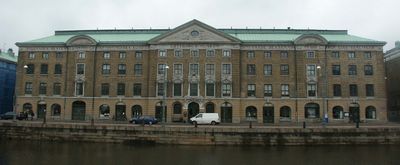
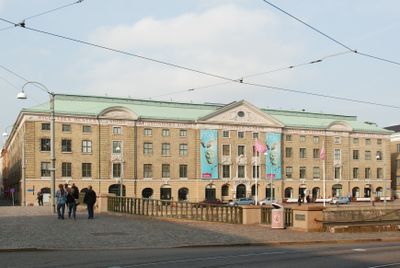
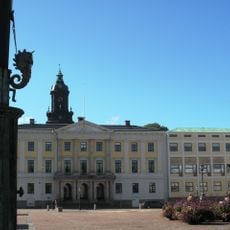
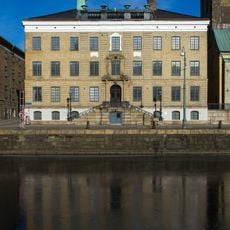
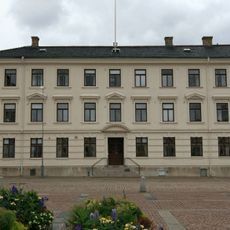
The Museum of Gothenburg occupies the former East India House building and displays collections spanning 12,000 years of regional history through objects and exhibitions. The building contains a broad range of artifacts reflecting daily life, industry, and regional development.
The museum opened in the East India House in 1861, modelled on London's Victoria and Albert Museum, and first covered natural history, art, science and industry. Its founders included Sven Adolf Hedlund, AF Ericsson, August Malm and Victor von Gegerfelt. Merchant John West Wilson paid for a fourth wing that opened in May 1891 shortly after his death. In 1923 the collections were split, and in 1993 five city museums merged.
The museum houses extensive archives with photographs, letters, and newspaper clippings that document daily life and community development over time. These collections reveal how work, society, and everyday habits have changed throughout the city's history.
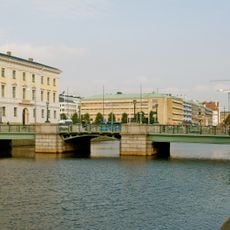
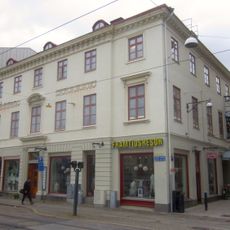
The building sits on Norra Hamngatan and is easily reached from most central locations in the city. Visitors should allow plenty of time to explore the different exhibitions and archives, checking ahead to see which areas are open during their visit.
The Äskekärrsskeppet, a Viking Age cargo vessel found at Äskekärr in Ale, is the only ship of its kind on display in Sweden. It was built in the 930s and carried goods along the Göta älv; the permanent exhibition "Vikingar – mellan Oden och Kristus" sets it among finds from the Iron Age.
The community of curious travelers
AroundUs brings together thousands of curated places, local tips, and hidden gems, enriched daily by 93,584 contributors worldwide.