Hornsgatan, Street in Södermalm, Stockholm, Sweden
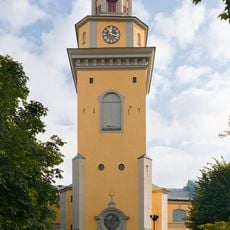
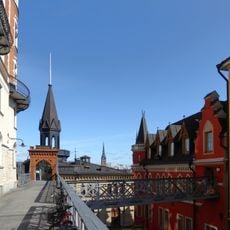
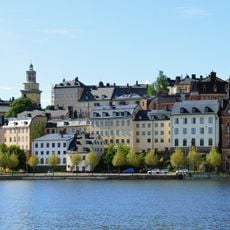
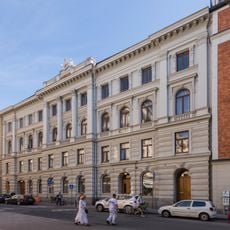
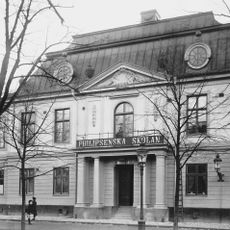
Hornsgatan is a 2,300-metre street running east–west across Södermalm in Stockholm, from Södermalmstorg and Götatans corner to Hornstulls strand at Liljeholmsviken. Its straight course was laid out in the 1640s. Among its buildings are Hans Marschalcks hus from the 1640s, Johan Eberhard Carlbergs hus from the 1730s, and Maria Magdalena kyrka, begun in 1588 and completed in 1625. Ginkgo trees have lined most of the street since autumn 2010.
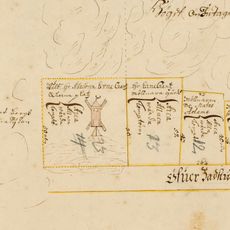
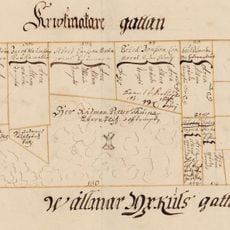
The street was planned in the 1640s to connect key locations and reorganize Södermalm. In the early 1900s a nearby hill was lowered by about 10 meters (33 feet) to make way for electric tram lines and allow the street to extend down to the waterfront.
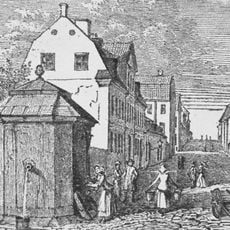
The name Horn comes from an old word for a protruding piece of land, referring to Södermalm's western cape, called "horn" since the Middle Ages. The street was first recorded in 1642 as Horns gathun, later Horns Weegen (1675) and Horns tull wägen (1699). Since autumn 2010, ginkgo trees line most of Hornsgatan.
Hornsgatan is served by the Mariatorget, Zinkensdamm and Hornstull metro stations on the red line, which runs 23 metres below Rosenlundsgatan. Studded tyres are banned on most of the street, Sweden's first such ban, and since 2020 it is environmental zone 2. Ginkgo trees line most of it since autumn 2010.
A hill next to this street was lowered by about 10 meters (33 feet) in the early 1900s, a major engineering feat at the time. This change allowed electric trams to be added and remains an overlooked example of Stockholm's dramatic 20th-century transformations.
The community of curious travelers
AroundUs brings together thousands of curated places, local tips, and hidden gems, enriched daily by 94,037 contributors worldwide.