Kiruna city transformation, Urban development project in Kiruna, Sweden
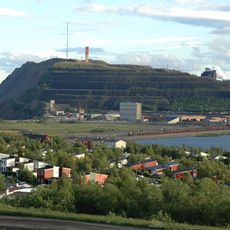
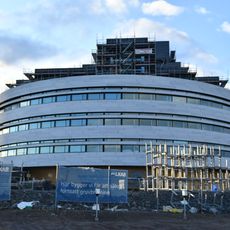
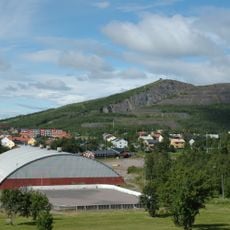
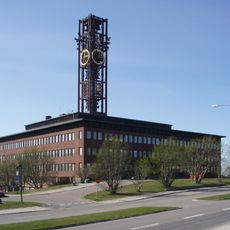
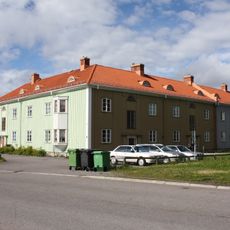
The Kiruna city transformation is a major relocation project that moves the entire settlement approximately two kilometers east to prevent damage from mining-induced ground subsidence. The new urban center features contemporary design and is being constructed in phases while the original site is gradually abandoned.
In 2004, Sweden's state mining company LKAB discovered dangerous underground cracks beneath the city created by decades of iron ore extraction. This discovery made relocation essential to protect residents from ongoing subsidence risks.
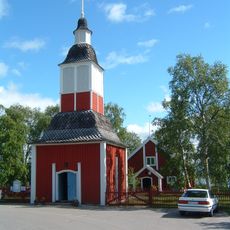
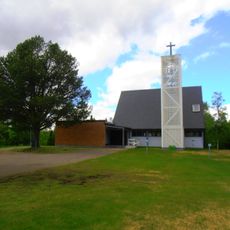
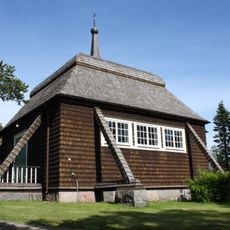
The Kiruna church, built in 1912 with design elements inspired by Sámi architecture, remains the heart of community identity and will move alongside the city. This relocation reflects how the town values its cultural roots and connection to the region's indigenous heritage.
Construction began in 2017 with a phased approach that allows the community's needs to be continuously assessed throughout the transition. Visitors should be aware that the process continues for many years and different parts of the city remain accessible at different stages.
The winning design by White Arkitekter incorporates waste heat from mining operations and renewable electricity to create a carbon-neutral urban environment. This approach demonstrates how a massive relocation project doubles as an opportunity to build a more sustainable city from the ground up.
The community of curious travelers
AroundUs brings together thousands of curated places, local tips, and hidden gems, enriched daily by 90,848 contributors worldwide.