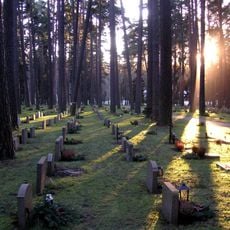
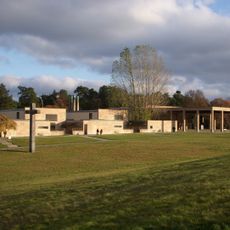
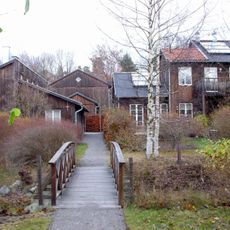
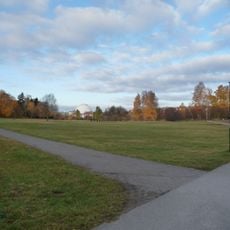
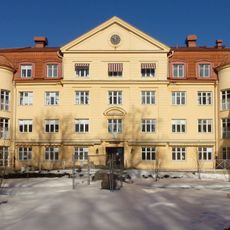
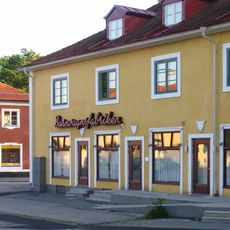
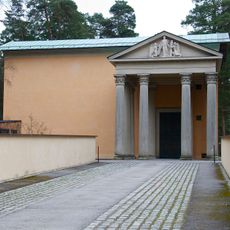
Pungpinan, Residential building in Skarpnäck borough, Stockholm, Sweden.
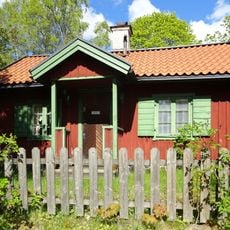
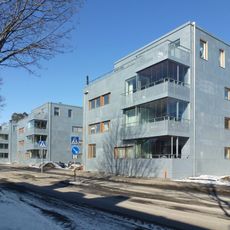
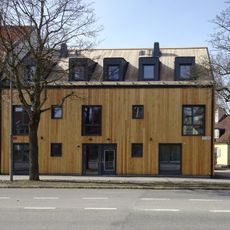
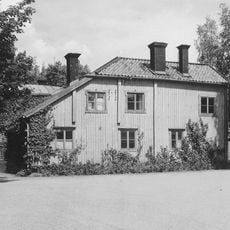
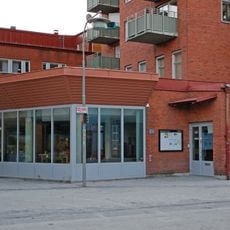
Pungpinan is a small-house area in Skarpnäcks Gård, southern Stockholm, made up of detached and terraced houses along streets such as Gamla Tyresövägen. It is not a single building: the area includes the original self-built homes from the 1920s and the Brf Sparsamheten row houses from 2009, designed by Kjellander och Sjöberg.
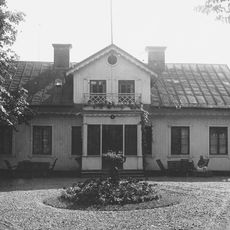
Pungpinan takes its name from a cottage that was named after a tavern operating here from the 17th to the 19th century. In 1926 the city's small-house bureau, initiated by property director Axel Dahlberg, began organising self-build plots; the following year construction of 200 small houses started in Olovslund and Pungpinan. The district of Pungpinan existed from 1932 to 1962, and since the 1980s the name has returned as a basområde.
The name comes from the Pungpinan croft, itself named after an inn that stood here from the 17th to the 19th century. The area grew from the self-build scheme organised in 1926 by Axel Dahlberg, who launched 200 small houses at Olovslund and Pungpinan the following year. Since the 1980s the name has returned as a basområde covering the small-house area and the houses up to Skattmästarvägen.
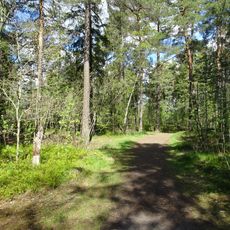
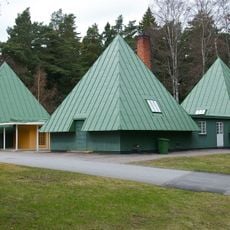
Pungpinan is a cottage area of detached and terraced houses in Skarpnäcks Gård, reached via Gamla Tyresövägen and Skarpnäcksvägen. The basområde also covers the small houses north of the cottage area up to Skattmästarvägen, most of them in Skarpnäcks Trädgårdsstadsförening. The area is best explored on foot along its residential streets.
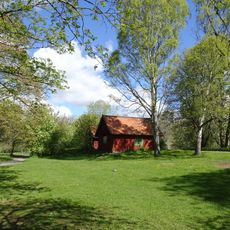
The name Pungpinan comes from a croft that took its name from an inn that stood here from the 17th to the 19th century. The croft still lies within the area, and the name has since been reused for the small-house district and the statistical area.
The community of curious travelers
AroundUs brings together thousands of curated places, local tips, and hidden gems, enriched daily by 95,322 contributors worldwide.